


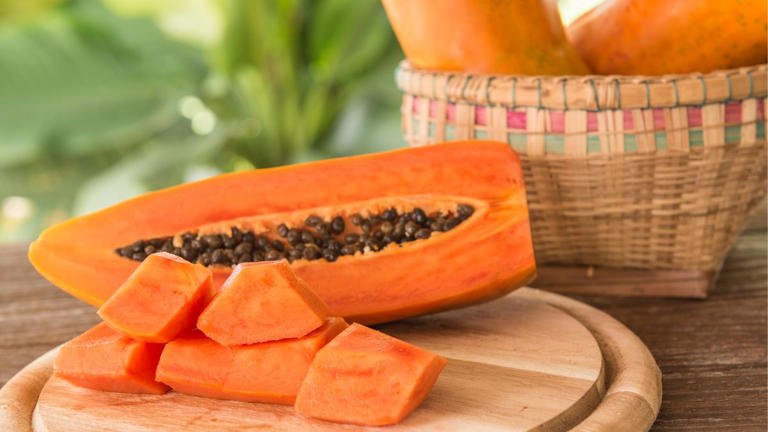
Papaya is widely celebrated for its rich nutritional profile, offering vitamins, minerals, and digestive enzymes. It supports immunity, aids digestion, and promotes skin health. However, despite its health benefits, certain individuals should avoid papaya entirely, as it may pose serious health risks or trigger unwanted reactions.
In this article, we explore who should avoid papaya and why consuming it could be harmful for these specific groups.
1. Pregnant Women
Pregnant women are often advised to be cautious about their diet, and papaya, especially unripe or semi-ripe, can be risky. Unripe papaya contains latex, which may trigger uterine contractions. This can increase the risk of preterm labor or miscarriage.
Doctors recommend that expecting mothers avoid unripe papaya entirely and consume fully ripe papaya only in moderation, if at all. Additionally, papaya may cause allergic reactions or digestive discomfort in some pregnant women. Therefore, it is safer for pregnant women to consult a healthcare professional before including papaya in their diet.
Read More: Assam Rifles Seizes Arms Cache in Mizoram
2. People With Latex Allergies
Papaya contains an enzyme called papain, which is chemically similar to latex proteins. Individuals with latex allergies may experience severe allergic reactions when consuming papaya. Symptoms can range from mild itching and hives to more serious conditions such as swelling of the lips, tongue, or throat, and even difficulty breathing.
For people with known latex allergies, avoiding papaya completely is the safest option. Even small quantities may trigger reactions, making it essential to check food labels or consult a doctor before consuming any papaya products.
3. People Taking Blood Thinners
Papaya contains vitamin K, which plays a vital role in blood clotting. Individuals taking blood-thinning medications, such as warfarin, should be cautious when consuming papaya. Excess vitamin K intake may interfere with the effectiveness of these medications, leading to complications in blood clot management.
Doctors advise patients on blood thinners to maintain a consistent intake of vitamin K and avoid sudden dietary changes. Because papaya is rich in vitamin K, it can disrupt this balance, making it a food to avoid for those on anticoagulant therapy.
4. Individuals With Diabetes
Although papaya has a low glycemic index, excessive consumption can lead to a spike in blood sugar levels, particularly in individuals with diabetes. Papaya is naturally sweet, and eating it in large quantities may interfere with blood sugar control.
People with diabetes should monitor their blood glucose levels carefully and limit papaya intake. Consulting a nutritionist or healthcare provider can help determine safe portions or suitable alternatives that provide similar nutrients without affecting blood sugar levels.
5. People With Gastrointestinal Disorders
Papaya contains enzymes like papain, which aid digestion by breaking down proteins. While this is beneficial for most individuals, people with certain gastrointestinal disorders, such as ulcers, irritable bowel syndrome (IBS), or acid reflux, may experience adverse effects.
Papaya can cause stomach cramps, bloating, or diarrhea in sensitive individuals. Unripe papaya, in particular, can exacerbate digestive problems due to its latex content. Those with chronic gastrointestinal issues should avoid papaya or seek guidance from a healthcare professional before consuming it.
Potential Side Effects of Papaya
Even for people without specific health concerns, excessive papaya consumption can lead to side effects such as:
- Allergic reactions
- Stomach upset or diarrhea
- Interaction with medications like blood thinners
- Increased sensitivity for those with latex allergies
It is crucial to consume papaya in moderation and consider individual health conditions before including it regularly in the diet.
How to Safely Include Papaya in Diet
For individuals not at risk, papaya can be safely consumed by following a few guidelines:
- Choose fully ripe papaya to reduce latex content and digestive irritation.
- Start with small portions to monitor tolerance.
- Avoid consuming papaya along with medications that may interact with its enzymes or vitamin content.
- Consult a doctor if pregnant, allergic, or having chronic health conditions.
While papaya offers numerous health benefits, it is not suitable for everyone. Pregnant women, people with latex allergies, those on blood thinners, individuals with diabetes, and those with gastrointestinal disorders should avoid it entirely or exercise extreme caution.
Understanding who should avoid papaya helps prevent potential health complications while allowing safe consumption for others. Always prioritize personal health conditions, consult healthcare providers when necessary, and enjoy papaya responsibly to gain its nutritional advantages without facing risks.
By being aware of these precautions, you can ensure that papaya remains a healthy addition to your diet rather than a source of potential harm.
Read More: Sikkim DACS Signs MoU With ITBP for Local Farm Produce