


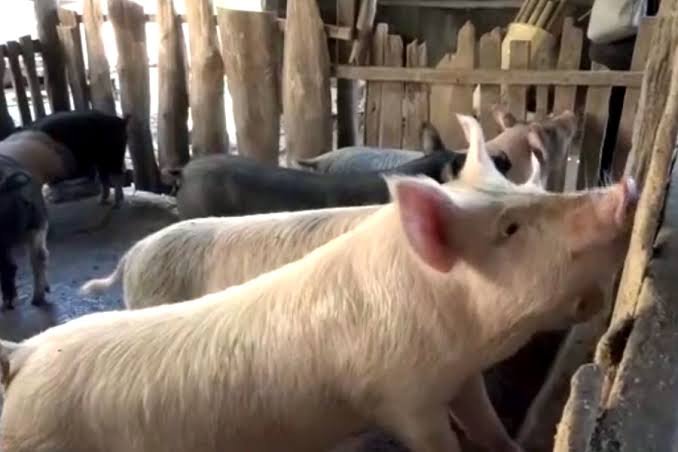
African Swine Fever in Mizoram has prompted fresh restrictions in Champhai district after authorities reported new outbreaks of the disease among pigs. On August 24, the Champhai district administration banned the sale of pork as a precautionary measure. The decision aims to limit the spread of the disease and protect the local pig population. Meanwhile, authorities are expected to continue monitoring affected areas and strengthening disease-control measures.
Imphal Arms Recovery: Joint Forces Seize 7 Automatic Weapons and 50 Rounds of Ammunition
African Swine Fever in Mizoram Leads to Pork Sale Ban
The Champhai district administration introduced the pork sale ban following reports of fresh African Swine Fever outbreaks. The restriction affects the sale of pork within the district and reflects the administration’s efforts to contain the disease.
African Swine Fever, commonly known as ASF, is a highly contagious viral disease that affects domestic and wild pigs. Importantly, it does not infect humans. However, outbreaks can cause severe losses for pig farmers and communities that depend on pig rearing for income.
Therefore, authorities often introduce movement and market restrictions when they detect outbreaks. Such measures can help reduce opportunities for infected animals or contaminated materials to spread the virus to other areas.
The latest restriction in Champhai highlights the continuing challenges that Mizoram faces in managing livestock diseases.
African Swine Fever in Mizoram Raises Concerns for Pig Farmers
Pig farming plays an important role in Mizoram’s rural economy and food supply. Consequently, an outbreak of ASF can create significant difficulties for farmers, traders and consumers.
When authorities impose restrictions, farmers may face difficulties selling healthy pigs through normal market channels. Moreover, concerns surrounding the disease can affect demand for pork and disrupt local businesses involved in the livestock supply chain.
However, the pork sale ban also serves an important containment purpose. Limiting the movement and sale of pork can reduce contact between potentially contaminated products, animals and equipment.
Additionally, farmers can support disease-control efforts by maintaining clean animal housing and following official instructions. Authorities may also monitor pig populations and investigate reports of illness to identify affected locations quickly.
The situation therefore requires coordination between district officials, veterinary authorities, farmers and traders.
Authorities Focus on Containing the Outbreak
Disease containment depends heavily on early detection and strict implementation of control measures. Once officials identify suspected outbreaks, they can restrict animal movement and strengthen surveillance around affected locations.
Furthermore, farmers need to report unusual illness or deaths among pigs to veterinary authorities rather than moving potentially infected animals elsewhere. Such cooperation can help officials understand how widely the disease has spread.
Biosecurity also remains important. Farmers can reduce risks by controlling access to pig-rearing areas, maintaining sanitation and avoiding unnecessary movement of animals between farms.
Meanwhile, authorities may need to monitor markets and transportation routes to ensure that restrictions remain effective. Enforcement becomes particularly important during an outbreak because informal movement of pigs or pork can undermine containment efforts.
The Champhai administration’s decision demonstrates how local authorities can respond quickly when livestock disease threatens the farming sector.
African Swine Fever in Mizoram Could Affect Local Pork Supply
The immediate impact of the ban could extend beyond farmers. Pork remains an important part of the local food economy, so restrictions on sales can affect consumers, retailers and restaurants.
Nevertheless, temporary restrictions can help authorities gain greater control over an outbreak. Once officials assess the situation and determine that risks have reduced, they can consider appropriate changes to restrictions.
Moreover, continued public communication will remain essential. Residents need clear information about the restrictions, while farmers require guidance on reporting suspected cases and following biosecurity measures.
Authorities also need to balance disease control with the economic concerns of affected farming communities. Providing timely information and appropriate veterinary support can help farmers respond responsibly while reducing unnecessary losses.
The latest African Swine Fever in Mizoram outbreak therefore underlines the importance of preparedness. Strong surveillance, responsible livestock management and cooperation between communities and authorities can help limit the wider impact of future outbreaks.
Conclusion
The African Swine Fever in Mizoram situation has led the Champhai district administration to ban pork sales following fresh outbreaks reported on August 24. Although ASF does not affect humans, it poses a serious threat to pig populations and can create economic difficulties for farming communities. Therefore, continued surveillance, effective biosecurity and cooperation with veterinary authorities will remain crucial as Mizoram works to contain the disease.
FAQs
1. What is African Swine Fever?
African Swine Fever is a highly contagious viral disease that affects domestic and wild pigs.
2. Does African Swine Fever affect humans?
No. ASF does not infect humans and is not considered a human health disease.
3. Why did Champhai ban pork sales?
The Champhai district administration banned pork sales following fresh reports of African Swine Fever outbreaks as a disease-control measure.
4. Who is most affected by African Swine Fever outbreaks?
Pig farmers, livestock traders and businesses connected to the pork supply chain can face significant economic impacts.
5. What should farmers do during an ASF outbreak?
Farmers should follow instructions from veterinary and district authorities, maintain good biosecurity and promptly report suspected illness among pigs.