


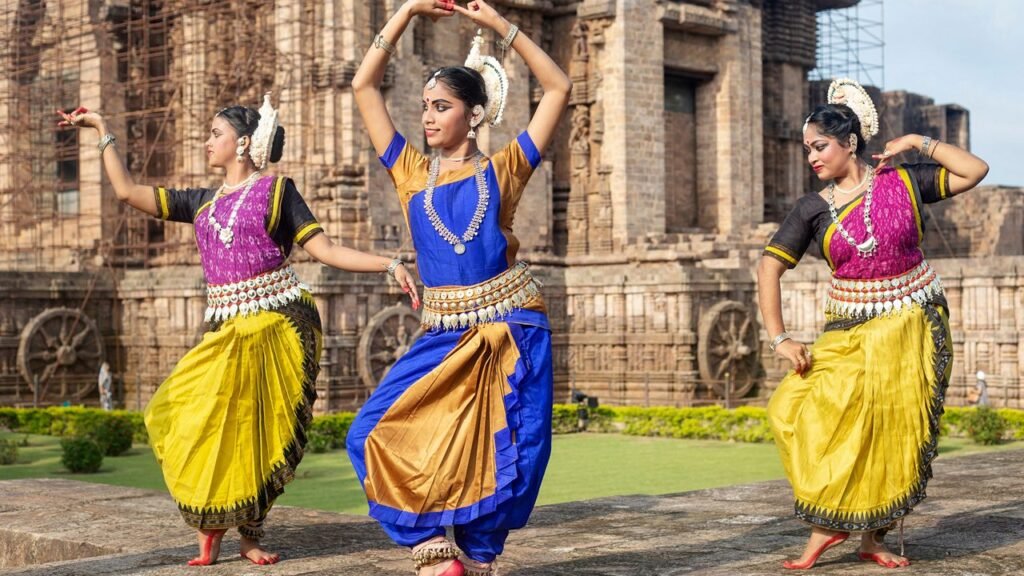
The Agartala cultural conclave brought attention to the traditional artistic and cultural heritage of Northeast India through a programme centred on regional identity and creative expression. Agartala Press Club has continued to serve as a venue for literary, cultural and public programmes that connect journalists, writers, artists, academics and community organisations.
The Press Club has hosted several recent programmes highlighting the cultural links between Tripura and neighbouring states. These have included a literary-cultural programme marking the birth centenary of Assamese cultural icon Bhupen Hazarika and an event commemorating Manipuri poet Laishram Samarendra.
Against this backdrop, cultural gatherings at the Agartala Press Club provide a platform for regional traditions to reach wider audiences. They also demonstrate the continuing role of cultural institutions in preserving artistic practices and encouraging interaction across Northeast India.
Sikkim Special Gram Sabha Drives Awareness of Watershed Schemes and SHG Livelihoods
Agartala Cultural Conclave Highlights Northeast Heritage
The Agartala cultural conclave reflects the wider importance of preserving traditional art forms in a region known for its diverse communities and cultural traditions. Northeast India contains numerous indigenous artistic practices expressed through music, dance, literature, crafts and oral traditions.
Tripura occupies an important place in this cultural landscape. The state has its own distinctive tribal and non-tribal traditions, while its geographical position has also encouraged cultural interaction with Assam, Manipur, Mizoram and other neighbouring regions.
Cultural programmes provide an opportunity to present these traditions outside their original community settings. Consequently, audiences can encounter forms of artistic expression that may otherwise receive limited public exposure.
Agartala Press Club’s own history also reflects the development of Tripura’s media and intellectual environment. The organisation traces the history of the state’s press to the 19th century and describes its present role as a place where journalists and others can meet, exchange ideas and discuss matters of public importance.
That role extends beyond conventional media discussions. Over the years, the Press Club has hosted literary, cultural and public-interest programmes, making it a useful meeting point for different sections of society.
The cultural dimension is particularly significant because traditional art forms often depend on continued performance and intergenerational transmission. Public programmes can therefore complement the work of families, community organisations and cultural institutions in keeping those traditions visible.
Traditional Art Forms Create Space for Cultural Exchange
A major strength of the Agartala cultural conclave format is the opportunity for participants from different cultural backgrounds to interact. Northeast India is home to a wide range of languages, musical traditions, dances, festivals and craft practices.
Such diversity can be presented through performances and discussions without reducing individual traditions to a single regional identity. Instead, each community can retain its distinctive character while contributing to a broader understanding of Northeast culture.
The importance of this exchange was visible at an Arunachalee students’ annual gathering held at the Agartala Press Club earlier in 2026. More than 70 students from institutions including Tripura University, NIT Agartala, AGMC and other colleges participated. Traditional performances reflected the diverse tribal heritage of Arunachal Pradesh and emphasised cultural preservation among students living away from their home state.
The programme demonstrates how cultural events can serve both social and educational purposes. Young participants can maintain connections with their traditions while introducing other communities to their cultural practices.
Similarly, literary programmes can connect artistic heritage with language and scholarship. A two-day programme organised in Agartala to commemorate Bhupen Hazarika’s birth centenary brought together participants from Assam and Tripura and focused on the linguistic, literary and cultural relationship between the two states.
These interactions create opportunities for cultural traditions to move beyond geographic boundaries. Moreover, they can encourage younger generations to engage with heritage in contemporary settings.
Agartala Press Club Supports Literary and Cultural Dialogue
The Agartala cultural conclave also fits into the Press Club’s broader pattern of hosting programmes that encourage intellectual and cultural dialogue. Its official website describes events ranging from social activities to discussions involving journalism, public issues and the protection of free expression.
In July 2026, the Press Club hosted the concluding session of a two-day literary and cultural programme organised by the Axam Xahitya Xabha in collaboration with the Brahmaputra-Gomati Research Centre. The programme marked Bhupen Hazarika’s birth centenary and sought to strengthen cultural and academic links between Assam and Tripura.
The event brought together writers, academics and cultural representatives. Discussions connected the Brahmaputra and Gomati rivers with the wider historical and cultural relationships linking communities across the Northeast.
Another programme at the same venue marked the birth centenary of Manipuri poet Laishram Samarendra. Writers, scholars and literary enthusiasts from Manipur and Tripura participated, while poetry recitations formed part of the programme.
These examples show that cultural programmes at the Press Club can cover multiple forms of expression. Poetry, literature, music, traditional performances and academic discussion can coexist within the same broader cultural ecosystem.
Such programmes also create connections between artists and audiences. When cultural practitioners receive opportunities to present their work publicly, they can reach people outside their immediate communities.
Furthermore, media institutions can help increase public awareness of cultural activities by bringing attention to artists and traditions that may receive less coverage through mainstream entertainment channels.
Youth Participation Strengthens Cultural Preservation
Young people remain central to the long-term preservation of Northeast India’s traditional art forms. The Agartala cultural conclave and similar programmes can provide opportunities for students and young cultural practitioners to participate rather than simply observe.
The Arunachalee students’ annual meet in Agartala offers one example. Its cultural segment focused on traditional performances and the preservation of indigenous identity, while the event also brought together students studying at different institutions across Tripura.
This type of participation matters because cultural traditions can weaken when younger generations lose regular opportunities to practise them. Educational institutions and community organisations can therefore complement formal cultural bodies by creating spaces for performance and discussion.
At the same time, cultural preservation does not require traditions to remain unchanged. Young performers can explore contemporary presentation while retaining the core elements of their artistic heritage.
Digital media also creates additional opportunities for documentation and outreach. Performances, interviews and discussions can potentially reach audiences beyond the physical venue when organisers use appropriate digital platforms.
However, documentation should complement rather than replace live cultural practice. Traditional arts often depend on direct learning, repeated performance and interaction between experienced practitioners and younger participants.
Consequently, cultural gatherings can help create a bridge between generations. They allow experienced artists to share knowledge while giving younger participants an opportunity to develop confidence and familiarity with their heritage.
Northeast Cultural Identity Gains Wider Visibility
The Agartala cultural conclave also contributes to a broader understanding of Northeast India’s cultural identity. The region is often discussed through its geography, infrastructure and political developments, but its artistic traditions represent an equally important part of its identity.
Cultural events can provide a more nuanced picture by highlighting the communities, languages and artistic practices that shape everyday life across the region.
Tripura’s location makes Agartala particularly suitable for such exchanges. The city has longstanding cultural links with neighbouring states and communities, while institutions such as Tripura University, the Press Club and various literary organisations provide spaces for dialogue.
The Bhupen Hazarika centenary programme demonstrated how cultural connections between Assam and Tripura can be explored through literature and music. The event’s organisers specifically described the programme as a means of strengthening linguistic, literary and cultural bonds between the two states.
Meanwhile, the Laishram Samarendra centenary programme connected Tripura with Manipuri literary traditions. Such events show that cultural relationships across the Northeast can extend beyond formal administrative boundaries.
Therefore, the value of a regional cultural programme lies not only in the performances presented on a particular day. It can also encourage conversations about preservation, identity, language and the changing role of traditional arts.
Continued cultural engagement can give artists and young participants more opportunities to share their work. It can also help audiences appreciate the diversity of Northeast India through direct cultural experiences.
Conclusion
The Agartala cultural conclave highlights the continuing importance of public platforms for traditional arts, literature and cultural exchange in Northeast India. Agartala Press Club has hosted several recent programmes involving Assamese, Manipuri, Arunachalee and Tripura cultural communities, demonstrating its wider role as a venue for regional dialogue.
Traditional art forms remain strongest when communities have opportunities to practise, perform and pass them to younger generations. Cultural gatherings can support that process by bringing artists, students, writers and audiences together.
For Agartala, such programmes also strengthen the city’s position as a meeting point for diverse cultural voices from across the Northeast. Continued collaboration among cultural organisations, educational institutions and community groups can further support the visibility and preservation of the region’s artistic heritage.
FAQs
What is the Agartala cultural conclave?
The Agartala cultural conclave refers to a cultural gathering centred on the presentation and discussion of traditional Northeast Indian artistic and cultural traditions.
Why are cultural programmes important in Northeast India?
Cultural programmes create opportunities for communities to present their music, dance, literature, crafts and other traditions. They can also encourage younger generations to learn and continue those practices.
What cultural programmes has Agartala Press Club hosted recently?
Agartala Press Club has hosted programmes involving Assamese and Manipuri literary traditions, as well as an annual gathering of Arunachalee students featuring traditional cultural performances.
How can young people contribute to cultural preservation?
Young people can participate in traditional performances, learn regional languages and artistic practices, document cultural knowledge and support community events that promote indigenous heritage.
Why is Agartala significant for Northeast cultural exchange?
Agartala serves as an important urban centre in Tripura and provides venues where cultural, literary and academic groups from different parts of the Northeast can meet. The Press Club has hosted programmes involving participants from several neighbouring states.