


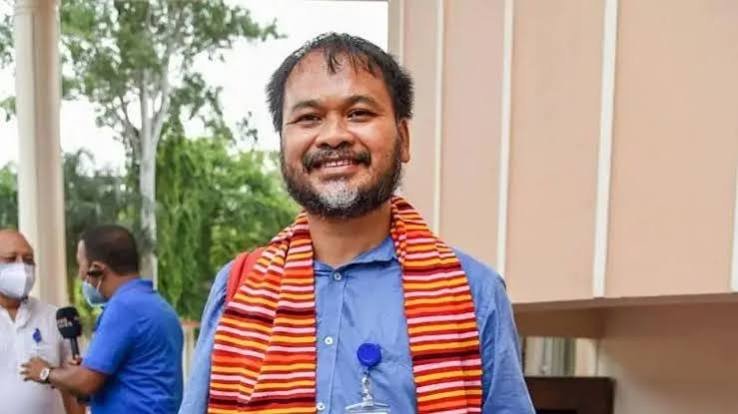
Assam MLA Akhil Gogoi has reportedly demanded the removal of Bimal Borah amid the state’s ongoing flood crisis. Gogoi has linked his demand to concerns surrounding the government’s handling of flooding, relief operations, infrastructure, and support for affected communities.
Opposition Slams Himanta Biswa Sarma Government Over 95 Flood Deaths
The demand comes as Assam continues to face a severe humanitarian situation, with the reported flood-related death toll reaching 95. Moreover, Sivasagar and other affected districts have faced displacement, agricultural losses, damaged infrastructure, and disruption to essential services.
Gogoi’s demand adds to growing political pressure on the Assam government. However, political allegations and calls for a minister’s removal represent a political position and do not independently establish negligence or wrongdoing.
Akhil Gogoi Calls for Bimal Borah’s Removal
Akhil Gogoi has reportedly called for Bimal Borah to be removed from his ministerial position over the handling of the flood crisis.
The demand reflects broader opposition criticism of the government’s disaster response. Furthermore, Gogoi has raised concerns about how authorities have managed relief, infrastructure, and the needs of flood-affected residents.
The call for removal has consequently added a new political dimension to the emergency.
However, any decision regarding a minister’s position rests with the appropriate political and constitutional authorities.
95 Flood Deaths Intensify Political Pressure
The reported death toll of 95 has increased scrutiny of Assam’s flood management.
Flood emergencies can create serious risks through rapidly rising water, damaged infrastructure, isolated settlements, and limited access to emergency services. Additionally, families affected by fatalities can require immediate financial and administrative support.
The scale of the reported casualties has therefore intensified political debate.
However, officials may revise casualty figures as they verify individual cases.
Sivasagar Remains a Major Focus
Sivasagar has received significant attention during the flood crisis.
Reports indicate that the district has suffered substantial losses, while residents face disruption to homes, agriculture, roads, and access to essential services. Moreover, relief teams must reach communities affected by flooding and provide timely assistance.
The situation has made Sivasagar an important part of the political debate.
However, local conditions can vary considerably between villages and affected areas.
Relief Operations Under Scrutiny
Gogoi’s demand comes amid questions about the effectiveness of relief operations.
Flood victims require food, drinking water, medicines, sanitation facilities, temporary shelter, and evacuation support. Furthermore, authorities need accurate information about displaced residents to distribute supplies effectively.
The quality of relief can strongly influence public confidence.
However, emergency conditions can create logistical challenges, particularly when roads remain submerged.
Infrastructure Becomes Political Issue
Flood-control infrastructure has also become a major concern.
Damaged roads, bridges, drainage systems, and embankments can make rescue operations more difficult. Moreover, communities may remain isolated when transport routes become inaccessible.
Opposition leaders can therefore demand stronger maintenance and long-term flood-control measures.
However, severe rainfall and river conditions can place exceptional pressure on infrastructure.
Agriculture Faces Heavy Losses
Flooding can severely affect Assam’s agricultural communities.
Farmers may lose crops, livestock, stored produce, and agricultural equipment. Additionally, prolonged waterlogging can delay cultivation and increase financial pressure on rural households.
Affected farmers may therefore seek compensation and livelihood assistance.
However, authorities need verified damage assessments before determining eligible support.
Government Response Faces Questions
The Assam government can point to rescue operations, relief camps, emergency supplies, and coordination with disaster-management agencies.
Officials may also highlight evacuation measures and assistance provided to affected families. Furthermore, authorities can coordinate with central agencies when additional resources become necessary.
These measures will influence assessments of the government’s response.
However, public criticism does not automatically prove that officials failed to perform their responsibilities.
Political Opposition Intensifies
Gogoi’s demand adds to wider opposition criticism of the state government.
Opposition parties and leaders may question disaster preparedness, relief distribution, embankment maintenance, compensation, and infrastructure planning. Moreover, public protests and political statements can increase pressure on the administration.
The flood crisis could therefore remain a major political issue.
However, political disagreements may continue over both the causes of the disaster and the appropriate response.
Compensation Becomes a Key Demand
Families affected by deaths and property damage may require financial assistance.
Authorities need to assess losses involving homes, crops, livestock, and other assets before determining eligible compensation. Furthermore, families that lose their main source of income may require longer-term livelihood support.
Transparent compensation procedures can help affected communities recover.
However, assistance depends on official assessments and applicable relief rules.
Healthcare Needs Remain Urgent
Flooding can restrict access to hospitals and healthcare centres.
Affected residents may require emergency treatment, medicines, and continued care for existing conditions. Additionally, relief camps need safe drinking water, sanitation, and medical monitoring.
Authorities therefore need to maintain healthcare services throughout the emergency.
However, medical needs vary across affected communities.
Central Support Could Assist Assam
Large-scale flooding can require cooperation between state and central authorities.
Central disaster-response agencies can provide specialised rescue teams, equipment, medical support, and logistical assistance when required. Moreover, additional resources can help state authorities reach isolated communities.
Such coordination can strengthen emergency operations.
However, local administrations remain responsible for much of the implementation on the ground.
Accountability Debate Continues
The demand for Bimal Borah’s removal has placed accountability at the centre of the political discussion.
Gogoi and other critics may seek information about relief expenditure, infrastructure maintenance, flood preparedness, and government decisions. Furthermore, public scrutiny can encourage authorities to explain how they manage the crisis.
Transparency can help address legitimate public concerns.
However, accusations should remain supported by evidence and appropriate investigations.
Long-Term Flood Management Under Focus
The current crisis has renewed attention on Assam’s recurring flood vulnerability.
Authorities may need to review embankment maintenance, drainage, river management, early-warning systems, evacuation routes, and emergency shelters. Additionally, community-level preparedness can help residents respond faster to flood warnings.
Long-term measures can reduce future risks.
However, flood management requires sustained investment and coordination.
Political Fallout Remains Uncertain
The flood crisis could have broader political consequences depending on how the government manages the recovery.
Timely relief, compensation, and infrastructure restoration could reduce public dissatisfaction. Conversely, prolonged shortages or unresolved grievances could strengthen opposition criticism.
The political impact may therefore become clearer during the recovery period.
However, it remains too early to predict specific electoral consequences.
Conclusion
Akhil Gogoi’s reported demand for Bimal Borah’s removal has intensified political pressure on the Assam government amid the state’s flood crisis. With the reported death toll reaching 95, opposition leaders have focused on disaster preparedness, relief operations, infrastructure, compensation, and accountability.
Moreover, affected communities continue to require immediate assistance, including shelter, food, healthcare, clean water, and livelihood support. At the same time, political demands for ministerial removal should remain distinguished from independently verified findings about administrative responsibility.
Overall, the flood crisis has created both a humanitarian emergency and a major political challenge. The government’s handling of relief, rehabilitation, infrastructure restoration, and long-term flood preparedness will likely shape the debate as Assam moves toward recovery.
FAQs
1. What has Akhil Gogoi demanded?
Akhil Gogoi has reportedly demanded the removal of Bimal Borah amid criticism of the government’s handling of the Assam flood crisis.
2. Why has Bimal Borah faced criticism?
Criticism has focused on the government’s flood response, including relief operations, infrastructure, preparedness, and support for affected communities.
3. What is the reported Assam flood death toll?
The figure referenced in this report stands at 95, although authorities may revise the number after further verification.
4. Does Gogoi’s demand establish government wrongdoing?
No. A political demand or allegation does not independently establish negligence or wrongdoing. Such claims require credible evidence and appropriate verification.
5. What are the immediate priorities for Assam?
The main priorities include rescue operations, relief distribution, healthcare, safe drinking water, temporary shelter, compensation, and support for affected livelihoods.