


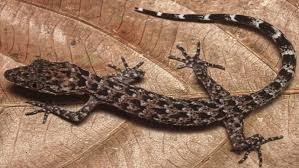
The New Species Discovery 2026 has brought exciting news for the scientific community and wildlife enthusiasts. Researchers have officially announced the discovery of a new bent-toed gecko species named Cyrtodactylus jayadityai in the lowland forests of North Tripura. This finding highlights the rich biodiversity of Northeast India and underscores the importance of conservation efforts. Therefore, this discovery marks a significant milestone in herpetology research.
Details of the New Gecko Species
The New Species Discovery 2026 introduces Cyrtodactylus jayadityai, a unique bent-toed gecko with distinct physical features. Researchers identified this species based on its morphology, patterns, and genetic characteristics.
Additionally, the gecko exhibits specific traits that differentiate it from other members of the Cyrtodactylus genus. These include variations in body coloration, scale arrangement, and size. Consequently, scientists confirmed it as a new species after detailed analysis.
Habitat and Location
The New Species Discovery 2026 took place in the lowland forests of North Tripura. This region provides an ideal habitat due to its dense vegetation, humidity, and ecological diversity.
Moreover, such environments support a wide range of reptiles and amphibians. The presence of this new species further emphasizes the ecological richness of the area. Therefore, preserving these habitats becomes even more crucial.
Importance for Biodiversity
The New Species Discovery 2026 adds to India’s growing list of documented wildlife species. Each new discovery helps scientists better understand ecosystems and species interactions.
Furthermore, it highlights regions that require conservation attention. By identifying new species, researchers can advocate for stronger environmental protection measures. As a result, this discovery contributes to global biodiversity knowledge.
Role of Researchers and Field Studies
The New Species Discovery 2026 reflects the dedication of researchers who conducted extensive fieldwork. They explored remote forest areas, collected samples, and analyzed data carefully.
Additionally, collaboration among scientists played a key role in verifying the species. This process ensures accuracy and scientific credibility. Therefore, such discoveries rely on both field expertise and laboratory research.
Conservation Implications
The New Species Discovery 2026 raises awareness about the need to protect fragile ecosystems. Newly discovered species often face threats from habitat loss, climate change, and human activity.
By identifying these species early, conservationists can develop strategies to protect them. Consequently, this discovery may lead to increased focus on preserving North Tripura’s forests.
Scientific and Public Interest
The New Species Discovery 2026 has generated excitement among scientists and the general public. Discoveries like this inspire curiosity about the natural world and encourage further exploration.
Moreover, they highlight the importance of investing in scientific research. As a result, such findings can motivate future studies and discoveries.
Challenges in Wildlife Exploration
Despite the success of the New Species Discovery 2026, challenges remain in exploring biodiversity. Remote terrains, limited resources, and environmental threats can hinder research efforts.
However, continued support for scientific exploration can overcome these obstacles. Therefore, sustained efforts remain essential for uncovering more hidden species.
Power-Packed Special Parliament Session 2026 Begins with Key Reforms
Conclusion
The New Species Discovery 2026 marks an important achievement in understanding India’s biodiversity. The identification of Cyrtodactylus jayadityai in North Tripura showcases the richness of the region’s ecosystems.
With continued research and conservation, more such discoveries may emerge. Therefore, protecting natural habitats remains vital for preserving Earth’s biodiversity.
Urgent Thinungei Unrest Recovery Update as Tension Persists
FAQs
1. What is the New Species Discovery 2026?
It refers to the discovery of a new gecko species in North Tripura.
2. What is the name of the new species?
The species is named Cyrtodactylus jayadityai.
3. Where was the species found?
It was discovered in the lowland forests of North Tripura.
4. Why is this discovery important?
It adds to biodiversity knowledge and highlights conservation needs.
5. What type of animal is this species?
It is a bent-toed gecko, a type of reptile.