


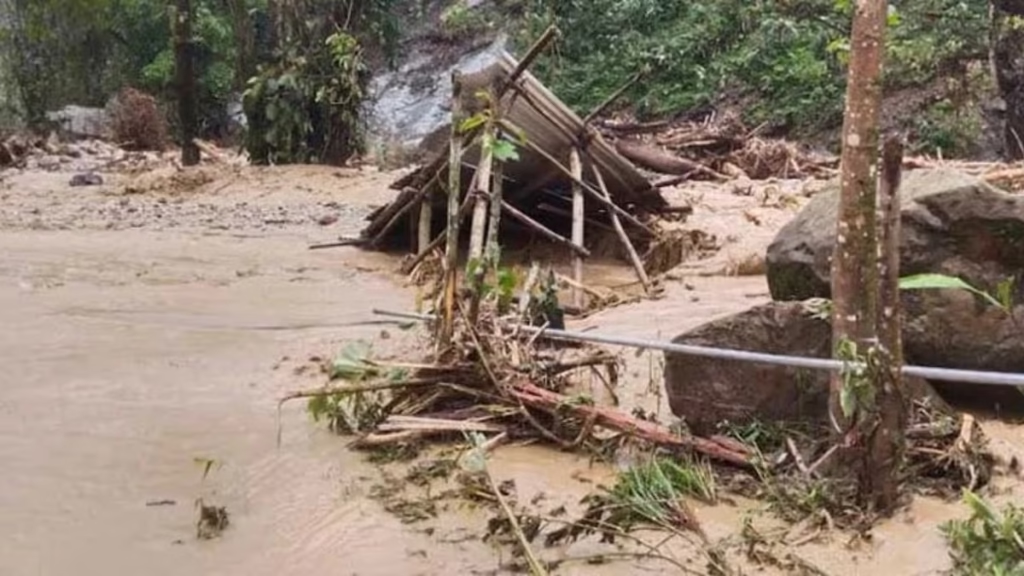
The Arunachal Bridge Collapse situation emerged after flash floods washed away three critical link bridges in Arunachal Pradesh, cutting off connectivity and isolating nearly 97,000 residents. According to the available information, the destruction of key infrastructure created major transportation challenges and disrupted movement across affected areas.
Awas Yojana Tracking Lists Published as District Collectors Release Rural Housing Allocation Details
Arunachal Bridge Collapse Disrupts Connectivity After Flash Floods
The Arunachal Bridge Collapse incident occurred after powerful flash floods damaged and washed away three important link bridges in the state. According to the available information, the destruction affected transportation networks and left thousands of residents facing connectivity challenges.
Bridge infrastructure plays a crucial role in Arunachal Pradesh due to the state’s mountainous terrain and remote settlements. Moreover, the loss of road links can significantly affect access to essential services, supplies, and emergency assistance.
The flash floods caused extensive damage to critical connectivity points. Therefore, restoring damaged infrastructure remains a priority for authorities managing the impact of the disaster.
Officials have not provided further details regarding the exact locations of the collapsed bridges or the timeline for reconstruction efforts.
Arunachal Bridge Collapse Isolates Thousands of Residents
The Arunachal Bridge Collapse resulted in the isolation of nearly 97,000 residents after floodwaters destroyed three major link bridges. According to the available information, affected communities experienced difficulties due to disrupted transportation routes.
Moreover, remote regions depend heavily on bridge networks for daily movement and access to essential facilities. When these links become unavailable, residents may face challenges in receiving supplies and reaching important services.
The incident highlights the vulnerability of infrastructure in areas affected by extreme weather events. Consequently, improving disaster resilience and strengthening transport networks remain important priorities for the region.
Authorities are assessing the impact of the damage and the requirements for restoring connectivity.
Arunachal Bridge Collapse Highlights Flood Risks in Mountain Areas
The Arunachal Bridge Collapse reflects the challenges faced by mountainous regions during severe weather conditions. According to the available information, flash floods caused the destruction of three critical bridges, affecting movement across affected areas.
Additionally, heavy rainfall and sudden flooding can place significant pressure on infrastructure located near rivers and vulnerable terrain. Maintaining strong transport systems requires regular monitoring, maintenance, and disaster preparedness.
The damage caused by the floods demonstrates the importance of resilient infrastructure planning. Therefore, authorities may need to focus on rebuilding structures capable of handling future extreme weather events.
No additional information regarding long-term prevention measures has been provided.
Why the Arunachal Bridge Collapse Matters
The Bridge Collapse is significant because the destruction of three key bridges disrupted connectivity for nearly 97,000 residents. Reliable transportation links are essential for communities, especially in remote and geographically challenging regions.
Moreover, infrastructure damage during natural disasters can affect economic activity, emergency response, and access to basic services. Quick restoration efforts can help reduce the impact on affected populations.
The incident also highlights the growing need for climate-resilient infrastructure in vulnerable areas. Similarly, improved disaster preparedness can help communities respond more effectively when extreme weather events occur.
Further official updates may provide details about repair work, temporary arrangements, and restoration timelines.
Conclusion
The Arunachal Bridge Collapse has created a major connectivity challenge after flash floods washed away three critical link bridges and isolated nearly 97,000 residents. The incident highlights the severe impact that extreme weather events can have on infrastructure and communities.
Furthermore, the destruction emphasizes the importance of strengthening transport networks in vulnerable regions. Effective disaster response, quick restoration work, and resilient infrastructure planning remain essential to reduce future disruptions.
Overall, the Collapse reflects the challenges faced by mountainous states during natural disasters. As authorities continue assessment and recovery efforts, further updates are expected regarding restoration measures and support for affected residents.
FAQs
1. What is the Arunachal Bridge Collapse incident?
The Arunachal Bridge Collapse refers to the destruction of three critical link bridges in Arunachal Pradesh after flash floods.
2. How many residents were affected by the bridge collapse?
According to the available information, nearly 97,000 residents were isolated due to the loss of connectivity.
3. What caused the bridge collapse in Arunachal Pradesh?
Flash floods washed away three important link bridges, causing the connectivity disruption.
4. Why are bridges important in Arunachal Pradesh?
Bridges provide essential transportation links across the state’s mountainous terrain and help communities access services and supplies.
5. Are restoration efforts underway after the Arunachal Bridge Collapse?
Based on the available information, authorities are assessing the damage, but specific restoration timelines have not been announced.