


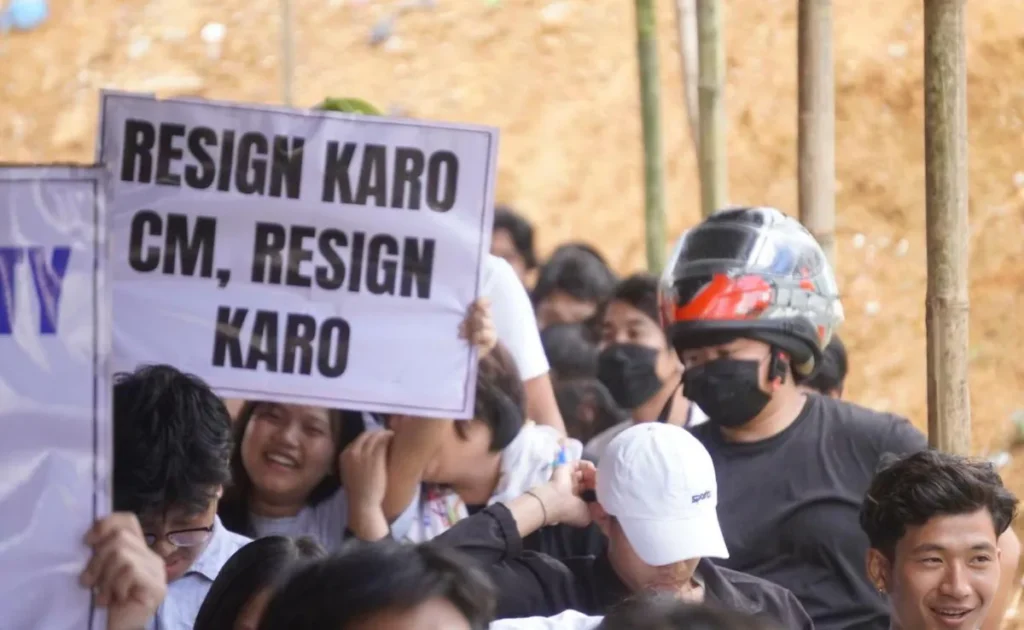
Arunachal CM corruption protest has become a major political talking point after the SAYA organization launched formal demonstrations demanding the resignation of Chief Minister Pema Khandu over allegations linked to an alleged ₹1,270 crore corruption matter. The controversy has generated debate among political groups, civil society organizations, and residents across the state. While protesters have called for accountability and transparency, government representatives have not accepted the allegations as established facts. As discussions continue, attention remains focused on the political and administrative implications of the dispute and the response from various stakeholders.
Meghalaya strengthens early childhood development
Mizoram launches soil conservation campaign
SAYA Launches Protest Campaign
The Arunachal CM corruption protest gained momentum after SAYA announced a series of demonstrations and public appeals seeking political accountability. Organization representatives argued that the seriousness of the allegations warrants a thorough examination by appropriate authorities.
According to protest organizers, public confidence in governance depends on transparency and effective oversight. Therefore, they have urged authorities to ensure that any claims receive proper scrutiny through legal and institutional mechanisms. Protesters have also called for peaceful demonstrations and public participation in accordance with democratic principles.
Meanwhile, supporters of the state government have emphasized the importance of allowing due process to take its course before drawing conclusions. Consequently, the issue has sparked significant discussion across political and social platforms.
Allegations Trigger Political Debate
The Arunachal CM corruption protest has intensified political debate within the state. Opposition voices and several community groups have raised questions regarding the allegations and their potential impact on governance.
At the same time, government supporters argue that allegations alone should not determine political outcomes without verified findings from competent authorities. Moreover, they stress that investigations and legal procedures exist to assess such claims objectively.
Political analysts note that controversies involving senior public officials often attract widespread attention because they affect public trust and governance narratives. Therefore, the issue continues to influence discussions about accountability, transparency, and institutional credibility in Arunachal Pradesh.
Government and Public Reactions
The Arunachal CM corruption protest has prompted reactions from multiple stakeholders, including political leaders, civil society organizations, and members of the public. While protesters continue to press their demands, officials have focused on maintaining administrative continuity and public services.
Furthermore, authorities have encouraged citizens to remain calm and rely on verified information rather than speculation. Public discourse has expanded across social media platforms and community forums, where supporters and critics continue to express differing viewpoints.
As a result, the controversy has evolved into a broader discussion about governance standards, public accountability, and the role of democratic protest in addressing allegations against public officials.
Importance of Due Process and Transparency
Political observers emphasize that allegations involving public office holders require careful examination through established legal and administrative procedures. Independent reviews, investigations, and institutional oversight mechanisms play an important role in ensuring fairness and credibility.
Moreover, transparent handling of sensitive issues can strengthen public confidence in governance systems. Citizens often expect authorities to provide clear information and respond promptly to concerns that attract widespread attention.
Therefore, many stakeholders believe that adherence to due process remains essential regardless of the political dimensions surrounding the controversy. A transparent approach can help reduce uncertainty while ensuring that all parties receive fair consideration.
Conclusion
The Arunachal CM corruption protest has placed renewed attention on governance, accountability, and public trust in Arunachal Pradesh. While the SAYA organization continues to demand the resignation of Chief Minister Pema Khandu over the alleged ₹1,270 crore corruption matter, supporters of due process insist that investigations and institutional mechanisms should determine the facts. Meanwhile, political discussions and public scrutiny are likely to continue as stakeholders await further developments and official responses.
FAQs
1. Why has SAYA launched protests in Arunachal Pradesh?
The organization has demanded the resignation of the Chief Minister over allegations linked to an alleged corruption matter.
2. What is the value of the alleged corruption case being discussed?
Protest organizers have referred to allegations involving approximately ₹1,270 crore.
3. What is the Arunachal CM corruption protest about?
The Arunachal CM corruption protest centers on demands for accountability and calls for the Chief Minister’s resignation following corruption allegations.
4. Have the allegations been legally established?
Public reports describe them as allegations, and any determination would depend on official investigations or legal findings.
5. How has the government responded?
Government supporters have emphasized due process and the need to rely on verified findings rather than assumptions.
6. Why is due process important in such cases?
Due process helps ensure fairness, transparency, and objective assessment of allegations through established institutions.