


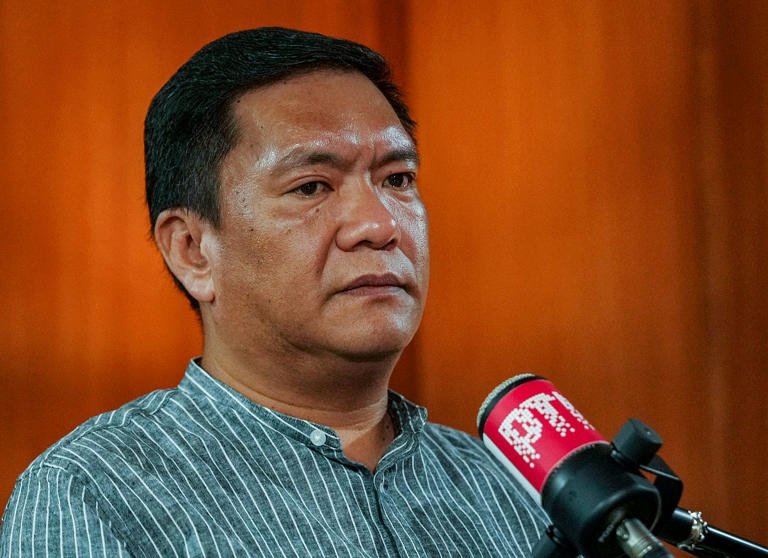
Arunachal Pradesh Chief Minister Pema Khandu has rejected allegations that his government is forcing the Siang Upper Multipurpose Project (SUMP) on local communities. He said the government wants to discuss the project with villagers, organisations and groups that have concerns about it.
Khandu made the statement amid fresh protests in the Siang and Upper Siang districts. Local residents have opposed activities linked to the project’s Pre-Feasibility Report (PFR). They have also raised concerns about drilling, security deployment and the possible impact of the proposed mega project.
The Chief Minister said discussions on the PFR have continued for about two years. He also said several villages and residents have signed memoranda of understanding (MoUs) related to the survey process. However, he acknowledged that sections of the local population still oppose the project.
Read More: Tripura CM Manik Saha Highlights Engineers’ Role in Infrastructure Development
Chief Minister Invites Protesters for Talks
Khandu has invited people who oppose the project to speak directly with the government. He said his administration remains open to questions and discussions about the proposed dam.
The Chief Minister also announced plans to visit Siang and Upper Siang districts. During the visit, he intends to meet residents and hear their concerns. He urged villagers and organisations to approach the government if they need clarification about the project or the PFR process.
This offer of dialogue comes as the dispute over the project grows. Several community groups want the government to pause survey and drilling activities. They have also questioned the presence of security personnel at project-related locations.
Protests Grow in Siang and Upper Siang
Villagers from Komkar and nearby areas recently staged protests against proposed PFR activities at Uggeng. The location is one of the proposed sites connected with the SUMP.
Residents from several villages gathered on both sides of the Siang River. They opposed proposed drilling work and questioned the process surrounding the MoUs. Some villagers said officials had not provided enough information about the project and its possible effects before the agreements moved forward.
The Upper Siang district administration also imposed prohibitory orders around the Komkar Lingkok drilling and PFR site. Authorities cited concerns about possible law-and-order problems during the protests.
The protests have added to an already sensitive debate over the future of hydropower development in the Siang region.
Security Deployment Becomes a Major Concern
The presence of security personnel has become one of the main points of disagreement between the government and groups opposing SUMP.
The Siang Indigenous Farmers Forum (SIFF) has criticised the deployment of security forces during PFR activities. The organisation says affected families have opposed the project and have asked authorities to withdraw security personnel from villages.
Other community organisations have also questioned the need for security deployment during survey activities. The newly formed Adi Bane Kebang-United (ABK-U) has urged Khandu to stop drilling and other machinery activities at the proposed project site. The group has also alleged that officials and local leaders pressured some villagers to sign no-objection documents. These remain allegations from the organisation and have not been independently established.
Khandu, however, has maintained that the government is not using force to push the project forward. He has stressed that the government wants to address concerns through discussions.
Why the Siang Project Matters
The Siang Upper Multipurpose Project has major significance for Arunachal Pradesh and India’s broader hydropower plans. The proposed project is expected to generate around 11,000 MW of electricity. The Centre has also linked the project to strategic concerns surrounding China’s proposed hydropower development on the Yarlung Tsangpo River in Tibet.
The Siang River flows into Arunachal Pradesh after originating as the Yarlung Tsangpo in Tibet. This geographical connection gives the river wider strategic importance for India.
Khandu has previously expressed concern about China’s proposed hydropower project. He has argued that developments upstream could have implications for downstream areas.
The proposed SUMP therefore involves both development and strategic considerations. At the same time, local communities remain focused on the project’s possible effects on their land, livelihoods and environment.
Local Communities Raise Environmental Concerns
Opposition groups have raised concerns about possible displacement and damage to local ecosystems. They also worry about the project’s impact on traditional livelihoods and indigenous communities.
The Human Rights of Arunachal has backed affected communities and called for greater transparency. The organisation said development projects should respect people’s rights, land, culture, environment and security. It also urged authorities to ensure meaningful consultation before major activities move forward.
These concerns have increased the demand for more information about the project’s possible social and environmental consequences. Community groups have also asked authorities to explain the PFR process clearly before further survey and drilling work takes place.
Government and Protesters Face a Key Test
The dispute over the Siang project now faces a crucial stage. The government wants to continue discussions and preliminary processes, while several local groups want survey and drilling activities to stop.
Khandu’s proposed visit to Siang and Upper Siang could create an opportunity for direct discussions. Such meetings may allow villagers to raise questions about land, rehabilitation, environmental risks, surveys and the project’s wider impact.
At the same time, protesters continue to demand greater clarity and participation in decisions that could affect their communities. The government will therefore need to address these concerns alongside its development and strategic objectives.
For now, Khandu’s message is that the government is ready for dialogue and does not intend to force the project on unwilling communities. The coming discussions with residents and local organisations will show how both sides address the continuing disagreement over the Siang Upper Multipurpose Project.
Read More: India a Centre of Stability Amid Global Conflicts: FM Sitharaman