


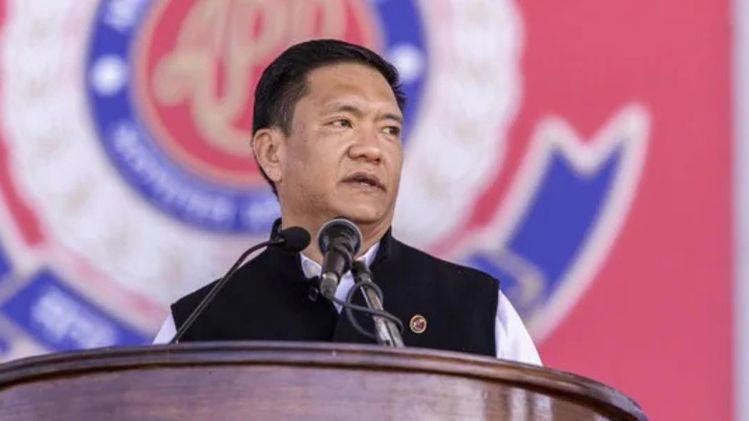
Chief Minister Pema Khandu has unveiled a ₹966 crore road project in Arunachal, focusing on connecting the state’s remote and inaccessible areas. This massive initiative will improve connectivity, enhance development, and bring isolated regions into the mainstream. It marks a significant step in strengthening the state’s infrastructure and empowering its tribal communities.
Read More: Illegal Land Encroachment in Assam: CM Himanta Raises Alarm
Strengthening Border Infrastructure and Tribal Outreach
This road project in Arunachal covers key border districts such as Tawang, Anjaw, and Upper Subansiri. These regions often remain cut off for months due to poor infrastructure. The new plan promises year-round access, essential for emergency services and routine travel.
Khandu emphasized that improving road networks isn’t just about transportation. It’s about linking people, services, and opportunities. Tribal communities, often left behind, will now receive better access to education, healthcare, and markets.
Government Focuses on Strategic and Social Gains
The government has planned this infrastructure push with dual objectives—strategic relevance and inclusive growth. Many of the proposed roads lie close to the India-China border. Their construction will improve border security, help in quicker deployment of troops, and enhance response capabilities.
At the same time, the plan aims to uplift remote communities. Improved roads will enable villagers to reach hospitals, schools, and government offices faster. Farmers can sell their produce in nearby markets without struggling through difficult terrains.
Centre-State Collaboration Under Key Schemes
The ₹966 crore funding comes through a combination of central and state schemes. These include Pradhan Mantri Gram Sadak Yojana (PMGSY), North East Special Infrastructure Development Scheme (NESIDS), and the Vibrant Villages Programme.
Khandu thanked the Union Government for its continued focus on the Northeast. He credited Prime Minister Narendra Modi and Union Minister Nitin Gadkari for extending infrastructure support to far-flung regions of Arunachal.
Building Roads While Preserving Ecology
Although the roads are necessary for development, the Arunachal government has pledged to follow all environmental safeguards. Many construction sites fall within forest areas. Therefore, engineers will use eco-sensitive designs to minimize damage.
Khandu also stressed the importance of respecting tribal heritage. The Public Works Department (PWD) will consult local leaders before proceeding with routes that pass through culturally important lands.
Employment for Local Youth and Contractors
This road project in Arunachal will create jobs for thousands of local youth. The government intends to hire local workers and train them in construction-related skills. In addition, small contractors and transport agencies from within the state will receive priority in the bidding process.
Khandu said the project is more than just a construction initiative. It is also an opportunity to build local capabilities and boost the rural economy. Road development, he noted, should also lead to job creation, not just connectivity.
Timelines, Monitoring, and Accountability
To ensure timely delivery, the government has created a dedicated monitoring unit within the PWD. This unit will use real-time digital tracking to oversee progress and identify delays early. Third-party audits will ensure transparency in spending and quality control.
The project will roll out in phases over three years. Key routes that connect large populations and sensitive border areas will receive priority. Khandu has warned officials against corruption and instructed them to keep the process clean.
Voices from the Ground: Local Reaction
The announcement has received wide appreciation across the state. Tribal leaders and community organizations expressed hope that the long-standing demand for better roads is finally being addressed.
Residents of districts like Kra Daadi and Kurung Kumey, where development has remained minimal, welcomed the move. Women’s groups and youth associations praised the government for thinking about those who live far from urban centers.
However, environmental activists have urged the government to release detailed impact reports. They want the administration to consult all stakeholders before finalizing routes through forest zones.
Looking Ahead: A Roadmap to Inclusion
This ₹966 crore road project in Arunachal is more than an infrastructure update. It reflects the government’s commitment to inclusion, development, and national security. Improved roads will change the daily lives of thousands, giving them faster access to basic services.
The state’s hilly terrain and scattered population have always posed challenges to governance. With this initiative, Khandu’s administration hopes to bridge the physical and social gaps that have persisted for decades.
Through strategic investment, sensitive planning, and community participation, Arunachal is stepping confidently toward a connected and inclusive future.
Read More: Raw Garlic Daily: Why Eating 2 Cloves Can Boost Your Health