


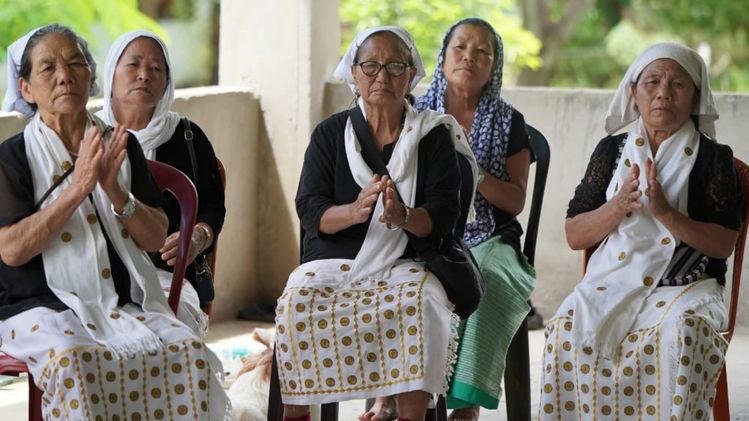
Mental health care has gained growing importance in India, especially in remote states like Arunachal Pradesh. On Monday, Health and Family Welfare Minister Biyuram Wahge extended crucial support to the mental health sector by granting Rs 5 lakh to a mental health centre in Papum Pare district. His contribution aims to strengthen mental health infrastructure, improve patient care, and spread awareness about psychological well-being in the state.
Focus on Mental Health in Arunachal Pradesh
Mental health often remains under-prioritized in many parts of the country, particularly in rural and remote regions. Arunachal Pradesh faces unique challenges due to its hilly terrain, scattered population, and limited healthcare facilities. The minister’s decision to provide financial support highlights a growing recognition of mental health as an integral part of overall health.
Biyuram Wahge emphasized that mental health is not only about medical treatment but also about creating an environment where people can openly talk about stress, depression, and emotional struggles without facing stigma. His initiative is expected to encourage more discussions on psychological issues across the state.
Read More: Tripura tribals face eviction, says Pradyot
Strengthening Healthcare Infrastructure
The Rs 5 lakh aid will be used to improve the infrastructure of the Papum Pare mental health centre. The facility has long been serving patients with limited resources. With additional funds, the centre can invest in better equipment, counseling services, and community outreach programs.
Arunachal Pradesh has been steadily working on expanding its healthcare reach. However, mental health services often remain overshadowed by physical health priorities. Wahge’s intervention draws much-needed attention to this gap, ensuring that mental health facilities can match the growing needs of the population.
Role of Community Support
Community participation plays a vital role in addressing mental health challenges. In many tribal societies of Arunachal Pradesh, traditional healing practices still hold significance. While these methods have cultural value, they often do not address the root causes of psychological problems.
By improving access to modern mental health services, the government seeks to bridge the gap between tradition and scientific treatment. Wahge stressed that community awareness campaigns are essential to encourage people to seek professional help without hesitation. Such efforts can also prevent rising cases of untreated mental illnesses.
Government’s Commitment to Mental Health
The aid provided by Wahge is part of the state government’s broader strategy to strengthen health care in Arunachal Pradesh. In recent years, the government has launched several programs aimed at addressing both physical and mental health needs.
Wahge mentioned that the government is committed to integrating mental health services into primary healthcare. He added that more training programs will be organized for doctors, nurses, and healthcare workers to ensure they can handle cases of depression, anxiety, and other psychological conditions effectively.
Addressing Youth and Student Concerns
The rising pressure on young people, especially students, has also brought mental health issues to the forefront. Many youths face stress due to academic expectations, unemployment, and social challenges. Wahge acknowledged this concern and stated that the government is planning targeted campaigns to help the younger generation cope with stress and anxiety.
He highlighted that schools and colleges should include mental health awareness sessions as part of their curriculum. Counseling support in educational institutions can create safe spaces for students to share their problems without fear.
Collaborative Efforts with NGOs and Experts
The mental health centre in Papum Pare will also collaborate with NGOs and medical experts to enhance services. Wahge believes that partnerships with civil society organizations can accelerate progress in this field. NGOs working at the grassroots level can help identify cases early and connect individuals to proper care.
Additionally, telemedicine and digital consultations are being explored to extend mental health services to far-flung villages. Technology can reduce the barriers of distance and provide timely support to those who cannot travel to district hospitals.
Vision for a Healthier Arunachal
Minister Wahge concluded that improving mental health facilities is vital for building a healthier and happier society. He urged families and communities to support individuals going through difficult times instead of isolating them. His Rs 5 lakh contribution serves as both financial aid and a symbolic gesture of prioritizing mental well-being.
The state’s vision is to ensure that mental health becomes a central pillar of healthcare. By integrating awareness, community involvement, and strong infrastructure, Arunachal Pradesh aims to reduce stigma and improve access to treatment for all.
The grant of Rs 5 lakh by Health Minister Biyuram Wahge to the Papum Pare mental health centre marks a step forward in improving mental health care in Arunachal Pradesh. This initiative will not only strengthen healthcare infrastructure but also foster awareness, encourage community involvement, and ensure early intervention for mental health challenges.
By focusing on both medical facilities and public education, the government hopes to build a society where mental well-being receives equal importance as physical health. The move reflects Arunachal Pradesh’s commitment to creating a supportive environment for all its citizens.
Read More: Manipur warns bus operators on fare concessions for disabled