


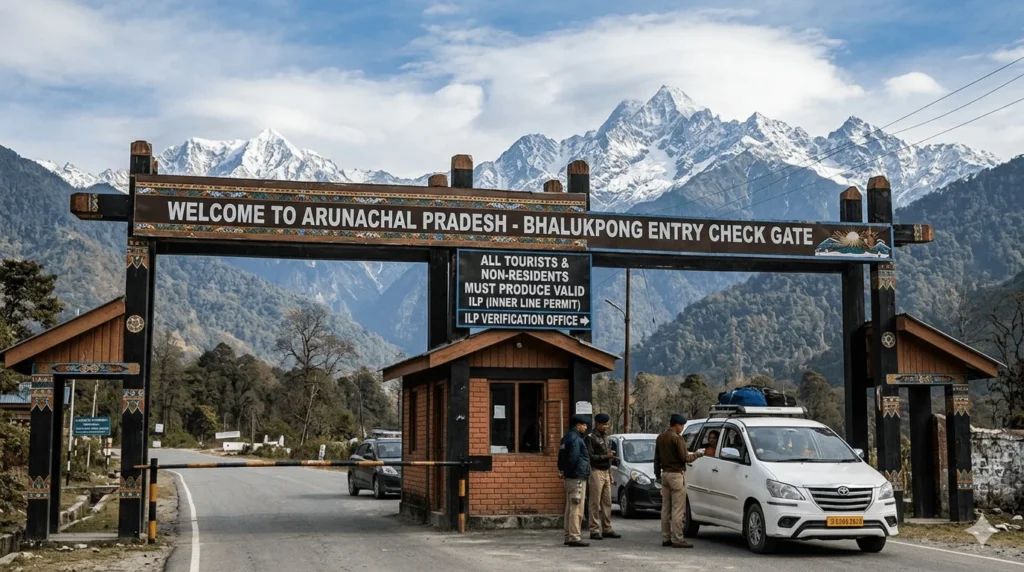
Arunachal ILP enforcement drive operations intensified after authorities in the Lower Dibang Valley detected 118 individuals staying without valid Inner Line Permits during a major five-day verification campaign. Meanwhile, officials confirmed that enforcement teams registered 17 Non-FIR cases and immediately externed the violators through the Shantipur check gate as part of stricter border and permit monitoring measures. The operation quickly drew public attention because the Inner Line Permit system remains a critical administrative mechanism regulating entry and stay in Arunachal Pradesh. Additionally, district authorities stated that similar verification drives may continue in other regions to strengthen compliance and security oversight.
The enforcement action highlighted growing administrative focus on monitoring unauthorized stay and improving permit verification systems in sensitive northeastern border states. Furthermore, officials emphasized that strict implementation of ILP regulations remains necessary for maintaining demographic balance, security coordination, and lawful movement control.
West Bengal Recruitment Age Limit Increased
BJP Dominates Darjeeling Hills Electoral Battle
Major Verification Campaign Conducted in Lower Dibang Valley
Authorities launched the intensive enforcement operation across multiple areas in the Lower Dibang Valley district over five consecutive days. Arunachal ILP enforcement drive activities therefore became one of the largest recent permit-verification exercises in the region.
Meanwhile, district officials stated that teams carried out extensive document inspections, field verification, and identity checks during the operation. Additionally, enforcement personnel reportedly targeted commercial establishments, temporary settlements, and labor clusters where permit irregularities were suspected.
Officials confirmed that 118 individuals failed to produce valid Inner Line Permit documentation during inspections. Furthermore, authorities registered 17 Non-FIR cases linked to permit violations and processed immediate externment procedures through designated administrative channels.
Earlier, Arunachal Pradesh authorities repeatedly warned visitors, workers, and businesses regarding mandatory compliance with ILP regulations. Consequently, the latest crackdown reinforced the administration’s commitment toward stricter enforcement and monitoring.
At the same time, officials urged employers and contractors to verify documentation of workers and visitors before engagement or accommodation.
Inner Line Permit System Remains Crucial
The Inner Line Permit system continues functioning as an important regulatory mechanism in Arunachal Pradesh and several northeastern regions. Arunachal ILP enforcement drive developments therefore renewed public discussion regarding border regulation and demographic protection policies.
Meanwhile, officials explained that the ILP system regulates entry of non-residents into protected areas and helps monitor movement within strategically sensitive border states. Additionally, authorities argued that permit enforcement remains necessary for preserving indigenous interests and maintaining administrative oversight.
Policy experts noted that Arunachal Pradesh shares international borders with China, Myanmar, and Bhutan, increasing the strategic importance of movement regulation. Furthermore, ILP mechanisms also aim to protect local tribal communities and cultural identity within constitutionally protected areas.
Several governance analysts observed that rapid migration and informal labor movement often create administrative challenges involving documentation and verification. Consequently, northeastern states continue strengthening monitoring systems and border control measures.
However, labor rights groups stressed that enforcement operations should maintain transparency and avoid unnecessary harassment of lawful workers and visitors.
Authorities Tighten Monitoring and Compliance Measures
District administrations and security agencies reportedly strengthened coordination following the completion of the enforcement campaign. Arunachal ILP enforcement drive procedures therefore may expand into additional districts and sensitive entry zones across the state.
Meanwhile, officials stated that surveillance and permit verification activities may continue regularly to discourage unauthorized stay and documentation violations. Additionally, authorities indicated that digital verification systems and checkpoint monitoring mechanisms are also under review for improved efficiency.
Law enforcement teams emphasized that employers, transport operators, and local business establishments share responsibility for ensuring compliance with permit regulations. Furthermore, officials warned that repeated violations may attract stricter administrative and legal consequences in future operations.
Several observers noted that increased mobility and economic activity in northeastern states have complicated monitoring responsibilities for local administrations. Consequently, states like Arunachal Pradesh continue upgrading enforcement and identity verification systems.
At the same time, district officials encouraged visitors to complete permit formalities through authorized channels before entering protected areas.
Political and Public Reactions Emerge
The enforcement campaign generated mixed reactions across political and public circles in Arunachal Pradesh. Arunachal ILP enforcement drive discussions therefore expanded into wider conversations regarding security, migration, labor mobility, and administrative control.
Meanwhile, several local organizations welcomed the operation and argued that strict permit enforcement remains necessary to protect indigenous communities and local resources. Additionally, some community leaders praised authorities for conducting systematic inspections and ensuring regulatory compliance.
Rights groups, however, urged officials to ensure humane treatment and transparent procedures during future verification drives. Furthermore, legal observers stressed that enforcement activities should maintain accountability and avoid arbitrary administrative action.
Political analysts observed that ILP-related issues frequently become sensitive in northeastern states because they intersect with identity protection, migration concerns, and regional autonomy. Consequently, enforcement campaigns often attract strong local attention and political scrutiny.
At the same time, civic organizations emphasized the importance of public awareness campaigns to educate visitors and workers regarding ILP rules and legal requirements.
Strategic and Security Concerns Gain Attention
The operation also renewed focus on strategic security concerns in border regions of Arunachal Pradesh. Arunachal ILP enforcement drive measures therefore carried significance beyond routine administrative compliance checks.
Meanwhile, security experts noted that border states require strict monitoring systems because of cross-border movement risks, demographic sensitivity, and national security considerations. Additionally, permit verification helps authorities maintain updated records regarding non-resident presence in protected districts.
Officials argued that unauthorized stay and incomplete documentation may create administrative and security vulnerabilities if left unchecked. Furthermore, coordinated monitoring systems remain especially important in districts located near international borders and remote transit corridors.
Earlier, northeastern states periodically intensified permit and border verification activities following concerns regarding unauthorized migration and irregular movement patterns. Consequently, the latest operation aligned with broader regional efforts aimed at improving administrative oversight.
At the same time, policy experts highlighted the need for balanced enforcement that safeguards both security interests and lawful mobility requirements.
Future Enforcement Operations Likely
Authorities indicated that similar verification and compliance drives may continue in coming months across Arunachal Pradesh. Arunachal ILP enforcement drive strategies therefore appear likely to remain a continuing administrative priority.
Meanwhile, district officials stated that enforcement teams will maintain vigilance against permit violations and unauthorized stay in sensitive areas. Additionally, authorities may increase coordination with labor contractors, transport agencies, and local administrative units to strengthen compliance systems.
Several governance experts suggested that technological upgrades, digital permits, and centralized databases could improve monitoring efficiency and reduce procedural confusion. Furthermore, integrated enforcement mechanisms may help authorities respond more effectively to future permit-related challenges.
Observers also noted that public cooperation and awareness remain essential for successful implementation of ILP regulations. Consequently, educational campaigns and simplified permit access systems may become increasingly important alongside enforcement measures.
At the same time, local organizations called for regular consultation between authorities, employers, and community representatives to ensure smoother compliance processes.
Conclusion
Arunachal ILP enforcement drive operations intensified after authorities in the Lower Dibang Valley detected 118 individuals staying without valid permits during a five-day verification campaign. Meanwhile, officials registered 17 Non-FIR cases and immediately externed the violators through the Shantipur check gate as part of stricter compliance enforcement. The operation renewed attention on the importance of the Inner Line Permit system in maintaining administrative control, indigenous protections, and border security in Arunachal Pradesh. Ultimately, the crackdown may lead to expanded permit monitoring and stronger compliance measures across the state.
FAQs
What happened during the Arunachal enforcement drive?
Authorities detected 118 individuals staying without valid Inner Line Permits in Lower Dibang Valley.
Why is Arunachal ILP enforcement drive important?
The operation strengthens permit compliance, border monitoring, and administrative oversight in the state.
How many cases were registered?
Officials confirmed that 17 Non-FIR cases were registered during the operation.
Where were the violators externed from?
Authorities processed externment through the Shantipur check gate.
Why does Arunachal Pradesh use the ILP system?
The Inner Line Permit system regulates entry of non-residents into protected and sensitive areas.
Could similar drives continue in future?
Yes, officials indicated that additional permit verification operations may occur across other districts.