


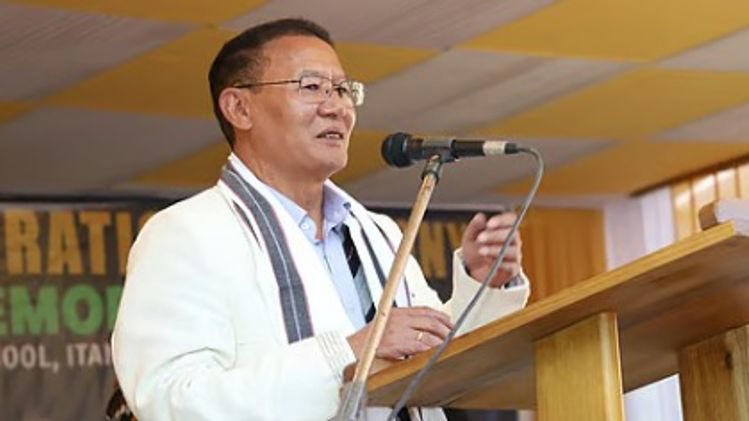
An Arunachal Pradesh minister has voiced strong support for granting more powers to municipal bodies, stressing that decentralisation remains essential for effective urban governance and sustainable development. He said empowered urban local bodies can respond better to local needs, improve service delivery, and strengthen democratic participation at the grassroots level.
Speaking on governance reforms, the minister said municipal institutions should not remain dependent on state-level decision-making for routine matters. He emphasised that cities and towns face unique challenges that require local solutions and faster administrative responses.
The push for greater powers to municipal bodies in Arunachal reflects a broader effort to modernise governance and strengthen urban administration in the state.
Read More: Tripura Leads AI Awareness Drive Ahead of India-AI Summit
Need for stronger urban local governance
The minister said urbanisation in Arunachal Pradesh is gradually increasing. Towns and municipalities now handle growing populations and rising expectations.
He said municipal bodies manage essential services such as water supply, sanitation, waste management, and local infrastructure. Without adequate authority, these responsibilities become difficult to fulfil.
Granting more powers to municipal bodies in Arunachal, he said, will ensure efficient governance closer to citizens.
Decentralisation improves service delivery
Decentralised governance allows decisions to be taken at the level closest to the people. The minister said local bodies understand ground realities better than distant authorities.
He added that empowered municipalities can plan and execute projects more effectively. Faster approvals reduce delays and cost overruns.
The move to strengthen powers to municipal bodies in Arunachal aims to improve service delivery outcomes.
Financial autonomy remains crucial
The minister stressed that administrative powers must go hand in hand with financial autonomy. Municipal bodies require predictable funding to function efficiently.
He said revenue generation mechanisms such as property tax, user charges, and local fees should be strengthened. Financial independence enhances accountability and planning.
Expanding powers to municipal bodies in Arunachal includes improving their financial capacity.
Strengthening accountability and transparency
According to the minister, empowered local bodies also enhance accountability. Citizens can directly engage with municipal representatives on civic issues.
He said transparency improves when decisions are taken locally and monitored by residents. Public participation strengthens trust in governance.
Greater powers to municipal bodies in Arunachal, he said, will promote responsible and transparent administration.
Role of municipal bodies in urban planning
Urban planning requires local knowledge and flexibility. The minister said municipal bodies should play a larger role in planning land use, housing, and public spaces.
He noted that town-level planning ensures balanced growth and reduces unplanned expansion. Local authorities can integrate development with environmental considerations.
Empowering municipal bodies in Arunachal will support better urban planning and sustainability.
Addressing infrastructure challenges
Arunachal’s towns face infrastructure challenges due to terrain and rapid growth. The minister said municipal bodies must have authority to manage local infrastructure projects.
Road maintenance, drainage systems, and public facilities need timely attention. Local decision-making improves responsiveness.
The call for more powers to municipal bodies in Arunachal addresses these infrastructure needs.
Encouraging citizen participation
The minister said empowered municipalities encourage citizen participation. Local governance becomes more inclusive when people feel their voices matter.
Ward committees and public consultations help identify priorities. Citizens become partners in development.
Expanding powers to municipal bodies in Arunachal strengthens participatory democracy.
Alignment with constitutional framework
The minister referred to the constitutional vision of urban local governance. The Constitution recognises municipalities as institutions of self-government.
He said effective implementation of this vision requires genuine devolution of powers. Administrative control alone does not ensure autonomy.
The proposal to enhance powers to municipal bodies in Arunachal aligns with constitutional principles.
Capacity building and training needed
While supporting greater powers, the minister acknowledged the need for capacity building. Municipal officials and representatives require training to handle expanded responsibilities.
He said skill development in planning, finance, and governance remains essential. Technology adoption can also improve efficiency.
Powers to municipal bodies in Arunachal must be matched with institutional strengthening.
Role in economic development
Urban local bodies play a key role in economic development. The minister said municipalities can support local businesses and markets.
Simplified approvals and local incentives encourage entrepreneurship. Municipalities can also promote tourism and services.
Strengthening powers to municipal bodies in Arunachal supports local economic growth.
Managing urban services sustainably
The minister highlighted sustainability as a priority. Municipal bodies manage waste, water, and sanitation systems that affect environmental health.
He said empowered local authorities can implement eco-friendly practices more effectively. Local solutions often suit local conditions better.
The push for powers to municipal bodies in Arunachal includes sustainable urban management.
Reducing burden on state administration
Decentralisation reduces pressure on state departments. The minister said routine civic issues should not require state-level intervention.
Empowered municipalities can handle everyday governance matters independently. This allows the state to focus on broader policy issues.
Powers to municipal bodies in Arunachal improve administrative efficiency at all levels.
Ensuring equitable urban development
The minister said decentralisation helps ensure equitable development across towns. Smaller municipalities often need flexibility to address unique challenges.
Uniform policies may not suit every urban area. Local authorities can tailor solutions.
Granting powers to municipal bodies in Arunachal promotes balanced urban growth.
Learning from best practices
The minister said Arunachal can learn from other states where strong municipal governance has delivered results. Best practices in urban management provide useful lessons.
He stressed adapting models to local conditions rather than copying blindly. Context-sensitive governance remains important.
Powers to municipal bodies in Arunachal should evolve through learning and adaptation.
Public response and expert views
Urban governance experts have welcomed the minister’s remarks. Many said decentralisation remains essential for modern governance.
Civil society groups have also supported stronger municipal institutions. They believe local bodies improve citizen engagement.
The debate on powers to municipal bodies in Arunachal has gained momentum.
Challenges and safeguards
The minister acknowledged challenges such as limited resources and administrative capacity. He said reforms must proceed carefully.
Clear guidelines, oversight, and accountability mechanisms remain essential. Empowerment should not lead to mismanagement.
Powers to municipal bodies in Arunachal must come with checks and balances.
Way forward
The minister said discussions on decentralisation will continue with stakeholders. Policy frameworks may evolve to support greater municipal autonomy.
He stressed cooperation between the state government and local bodies. Partnership ensures smooth transition and effective governance.
As Arunachal Pradesh considers strengthening powers to municipal bodies, the focus remains on better service delivery, citizen participation, and sustainable urban development. Empowered municipalities can become engines of local growth and responsive governance.
The minister’s support signals a shift toward decentralised administration in Arunachal. By trusting local institutions and building their capacity, the state can ensure that urban governance becomes more efficient, transparent, and people-centric in the years ahead.