


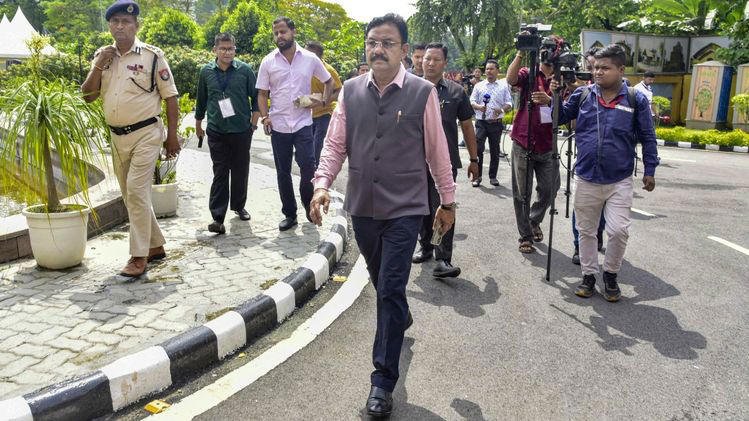
The Assam Assembly has adopted a resolution urging the speedy implementation of women’s reservation in legislative bodies, marking a significant political move aimed at enhancing women’s representation in governance and policymaking. The resolution reflects growing efforts to ensure that women receive greater opportunities to participate in democratic institutions and decision-making processes.
The move comes at a time when discussions around political empowerment and inclusive governance continue to gain momentum across India. Leaders in Assam described the resolution as an important step toward translating constitutional intent into practical outcomes.
Read More: GMR to Take Over Nagpur Airport, Begin Major Expansion
Assam Assembly Passes Resolution Supporting Women’s Political Participation
During the Assembly proceedings, members expressed support for accelerating the implementation of women’s reservation provisions to strengthen female participation in legislative institutions. The resolution highlighted the need for timely action to ensure that women secure adequate representation and opportunities in elected bodies.
Several legislators underlined that women have consistently contributed to social and economic development and that increased political representation would further strengthen governance and democratic accountability.
The Assembly noted that improving women’s participation in politics would create pathways for more inclusive policymaking and encourage broader engagement across sectors such as education, healthcare, entrepreneurship, and rural development.
Supporters of the resolution argued that women leaders often bring diverse perspectives and community-focused approaches that can contribute positively to legislative processes.
Focus On Faster Implementation Of Reservation Measures
The adopted resolution places emphasis on ensuring that the implementation process moves forward without unnecessary delays. Members pointed out that policy commitments become meaningful only when they are translated into action through institutional mechanisms and administrative preparedness.
The Assembly’s message signals support for creating conditions that would allow reservation measures to become operational in a timely manner.
Political observers believe such resolutions also carry symbolic importance because they demonstrate consensus within state institutions regarding the broader objective of strengthening women’s political participation.
Advocates of women’s representation have long maintained that legislative participation creates opportunities for women to influence policies directly and contribute to long-term governance reforms.
The resolution further reinforces the idea that expanding women’s presence in elected institutions aligns with broader national goals of inclusive growth and democratic participation.
Women’s Representation Seen As Key To Inclusive Governance
Women’s participation in politics has increasingly become part of national discussions on democratic strengthening and balanced representation. Assam’s latest resolution adds to these conversations by placing renewed attention on implementation rather than policy announcement alone.
Supporters argue that women leaders often play important roles in addressing issues connected to community welfare, social development, education, public health, and local governance.
Greater representation can also encourage more women to engage in public life, leadership roles, and electoral processes. Political participation, experts suggest, has long-term effects beyond legislative numbers because it shapes institutional culture and expands access to leadership opportunities.
The Assembly discussion reflected the view that stronger representation can contribute to governance models that better reflect social diversity and community priorities.
At the same time, members emphasised that meaningful participation requires not only legal frameworks but also political support, leadership opportunities, and mechanisms that encourage women to contest and succeed in elections.
Political Significance Of The Resolution
The adoption of the resolution carries political significance for Assam as it signals institutional support for strengthening women’s role in governance. While the implementation process depends on broader constitutional and administrative developments, the Assembly’s position reflects a clear endorsement of accelerating progress.
Political analysts note that state-level resolutions often serve as expressions of collective intent and can influence broader conversations around governance reforms.
The move may also encourage greater public engagement with discussions on representation and leadership opportunities for women.
For Assam, the resolution aligns with ongoing conversations about inclusive development and ensuring that governance structures reflect broader social participation.
Supporters believe that creating more opportunities for women in legislative institutions can strengthen democratic processes and contribute to policy outcomes that address a wider range of public concerns.
Broader Impact On Governance And Future Participation
The adoption of the resolution is expected to add momentum to discussions around women’s participation in public institutions and governance structures. Many believe that stronger representation can encourage future generations of women to enter politics and public service.
Greater inclusion in elected bodies may also create opportunities for more balanced decision-making and policy development.
As conversations continue around implementation timelines and institutional readiness, Assam’s Assembly resolution stands as a public expression of support for accelerating women’s political representation.
The development reflects a broader commitment to democratic inclusion and highlights the importance of ensuring that women continue to play a larger role in shaping governance and public policy.
With the resolution now adopted, attention is likely to shift toward the next stages of implementation and how the broader objective of expanding women’s representation moves forward in practice.
Read More: Meghalaya’s 14,600 Schools Causing Resource Fragmentation, CM Conrad Sangma Tells Centre