


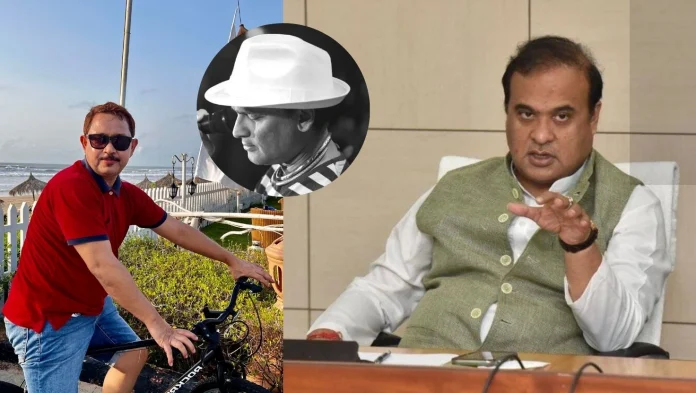
The cultural landscape of Assam faced a dramatic shift after the sudden death of Zubeen Garg, one of the state’s most beloved music icons. Following the tragedy, the Assam government issued a strict order that Assam bans Shyamkanu Mahanta from organizing or hosting any future public events. This decision has stirred heated conversations across the state, highlighting concerns over accountability, cultural freedom, and the future of Assam’s entertainment industry.
Read More: TIPRASA Set to Send 10,000+ Memoranda to PM, Demands Solutions for Indigenous Community
Assam Bans Shyamkanu Mahanta After Zubeen Garg’s Passing
The announcement came soon after Zubeen Garg’s untimely death, which left fans mourning across the Northeast. Many reports suggested that questions were raised regarding event safety and management standards, prompting authorities to take decisive action. As a result, the directive that Assam bans Shyamkanu Mahanta has not only drawn attention from cultural circles but also created ripples in the political sphere.
Government officials explained that the move was aimed at ensuring accountability. Organizers of large cultural programs will now face stricter guidelines and monitoring. While the ban appears targeted, it underscores a broader message: public safety will remain a top priority, especially during massive gatherings that involve high-profile performers.
Public Reaction To Assam Bans Shyamkanu Mahanta
The decision has divided public opinion. Supporters of the ban argue that it was necessary, as questions about security lapses needed urgent answers. For them, the fact that Assam bans Shyamkanu Mahanta represents a symbolic step toward responsibility in cultural management. They believe the government must take firm measures to prevent any repeat of such tragedies.
On the other hand, critics feel the move is unfairly punitive. Mahanta, who has played a key role in organizing numerous cultural festivals in Assam, is now sidelined from contributing to the state’s artistic life. His supporters argue that instead of a complete ban, reforms and better regulatory mechanisms would have been a more balanced response. They fear that such restrictions may suppress cultural expression and discourage event organizers in the future.
The Impact On Assam’s Cultural Events
Assam’s cultural events hold immense significance, not only for entertainment but also for community identity. Zubeen Garg’s legacy was deeply tied to these festivals, making the ban even more symbolic. The fact that Assam bans Shyamkanu Mahanta may create uncertainty about the future of such gatherings.
Several upcoming festivals are now under review. Organizers are anxious about additional scrutiny and are rethinking their strategies. Some smaller event groups fear they might lack the resources to meet stricter government guidelines, potentially affecting the diversity of cultural programs available to the public.
Political and Cultural Implications
The move also carries strong political undertones. Zubeen Garg was not just a musician but also a cultural icon who voiced opinions on social and political issues. His sudden death has magnified debates about state responsibility, cultural freedom, and public safety. In this sensitive climate, the declaration that Assam bans Shyamkanu Mahanta resonates far beyond the administrative level.
Cultural activists warn that if restrictions become too severe, Assam could lose part of its vibrant festival tradition. However, supporters of the government’s decision remain firm that accountability cannot be compromised, especially when public lives are at stake.
A Call For Balance
The situation highlights the urgent need for balance. While safety concerns are crucial, cultural vibrancy must not be stifled. Instead of imposing blanket bans, many experts suggest introducing comprehensive reforms. These could include mandatory safety audits, transparent licensing processes, and clear accountability protocols for all organizers.
If managed well, such reforms could protect both artists and audiences while preserving Assam’s rich cultural heritage. The state must walk a fine line between ensuring public security and maintaining the freedom of cultural expression.
The directive that Assam bans Shyamkanu Mahanta following the death of Zubeen Garg has triggered one of the most debated cultural controversies in recent times. For some, it is a necessary step toward safety and accountability; for others, it symbolizes unnecessary suppression. As Assam navigates this critical moment, the path chosen will determine whether cultural expression flourishes alongside public responsibility or faces an era of restriction and caution.
Read More: Manipur Governor Reviews Security, Pays Tribute to Assam Rifles