


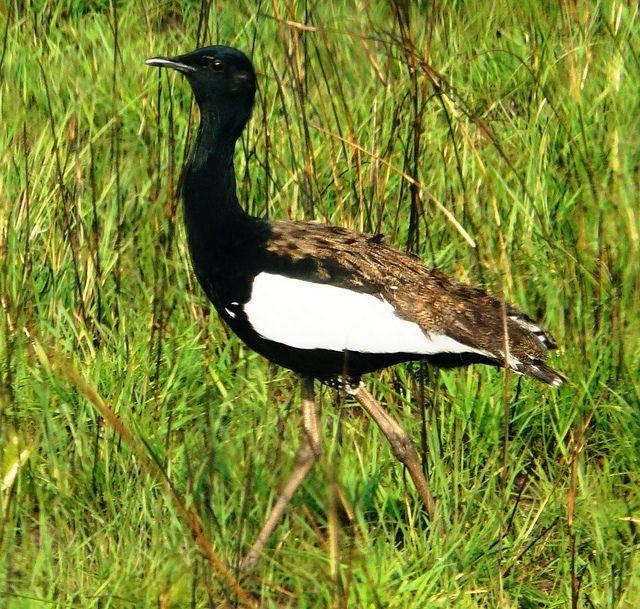
Assam is home to over 876 bird species, including 290 migratory birds from across the globe. This makes Assam bird biodiversity conservation a critical ecological priority. Experts warn that without a comprehensive conservation strategy, many bird habitats and species could vanish in the coming years.
Assam: A Global Hotspot for Bird Diversity
Assam’s unique position at the crossroads of the Indo-Malayan and Palearctic realms makes it a natural corridor for birds. Wetlands like Deepor Beel, forest reserves like Kaziranga National Park, and grasslands across the Brahmaputra valley serve as critical habitats for numerous resident and migratory birds. Some rare and threatened species include:
- White-winged Wood Duck
- Bengal Florican
- Greater Adjutant Stork
- Black-necked Crane
- Ferruginous Duck
Yet, despite the staggering diversity, bird habitats across Assam are increasingly fragmented due to urbanization, illegal encroachment, pollution, and climate change.
“We are seeing a slow but steady decline in both migratory and local populations, especially in areas lacking legal protection,” said Dr. Anupam Sarmah, a leading ornithologist at the Wildlife Trust of India (WTI).
Key Threats to Assam’s Avian Habitat
1. Unregulated Urban Growth and Wetland Encroachment
Wetlands like Deepor Beel near Guwahati—a Ramsar site of international importance—have shrunk by nearly 35% in the last two decades due to dumping of municipal waste and land reclamation.
2. Agricultural Pesticides and Industrial Pollution
Heavy pesticide use in tea gardens and industrial discharge into rivers are affecting the food chain, especially aquatic insects and fish which many bird species depend on.
3. Climate Change and Shifting Migration Patterns
Rising temperatures and erratic monsoon patterns are disrupting the migratory calendars of key species like the Bar-headed Goose and Northern Pintail.
Experts Call for a Structured Conservation Framework
Environmentalists and policy experts are now urging the Assam government to implement a statewide Bird Conservation Action Plan (BCAP) to protect avifaunal diversity across all ecological zones.
“Birds are excellent ecological indicators. Their decline signals a broader environmental crisis,” said Parveen Kaswan, Indian Forest Service officer and wildlife activist.
The proposed conservation framework should include:
- Community-based habitat management
- Legally protected bird reserves
- Sustainable eco-tourism development
- Seasonal bird monitoring through citizen science platforms like eBird India
- Education programs in schools and villages
Internal Successes—and Missed Opportunities
While national parks like Kaziranga and Manas offer robust protection to larger wildlife, bird-focused conservation remains limited in scope. Recent efforts like the Greater Adjutant Nest Protection Program in Kamrup district have shown how community involvement can reverse population decline.
But such success stories are rare and isolated. Without a centralized strategy, conservation outcomes remain fragmented.
Linking Birds to Economy: The Eco-Tourism Potential
The growing interest in bird watching tourism presents a dual opportunity—conservation and income generation. Locations like Dibru-Saikhowa, Nameri, and Laokhowa-Burachapori could become global birding destinations if supported by infrastructure and trained local guides.
Tour operators like Assam Wildlife Tours have already started offering guided migratory bird trails—evidence that conservation can coexist with commerce.
What You Can Do
Whether you’re a nature lover, educator, policymaker, or a traveler, your involvement matters. Here’s how you can help:
- Participate in local bird surveys via eBird India
- Volunteer with conservation NGOs like Aaranyak
- Support responsible bird-watching tourism
- Report illegal encroachments or hunting activities to the Forest Department
- Share this article to raise awareness
Assam’s bird biodiversity is not just a feather in India’s ecological cap—it’s a living legacy that demands immediate attention and structured conservation. With climate uncertainty rising and habitats shrinking, the time to act is now.
Protecting birds is about more than just wildlife—it’s about preserving Assam’s ecological identity, securing livelihoods, and building a sustainable future.
READ MORE: Assam Farmers Get Rs 422 Crore in 20th PM-KISAN Installment