


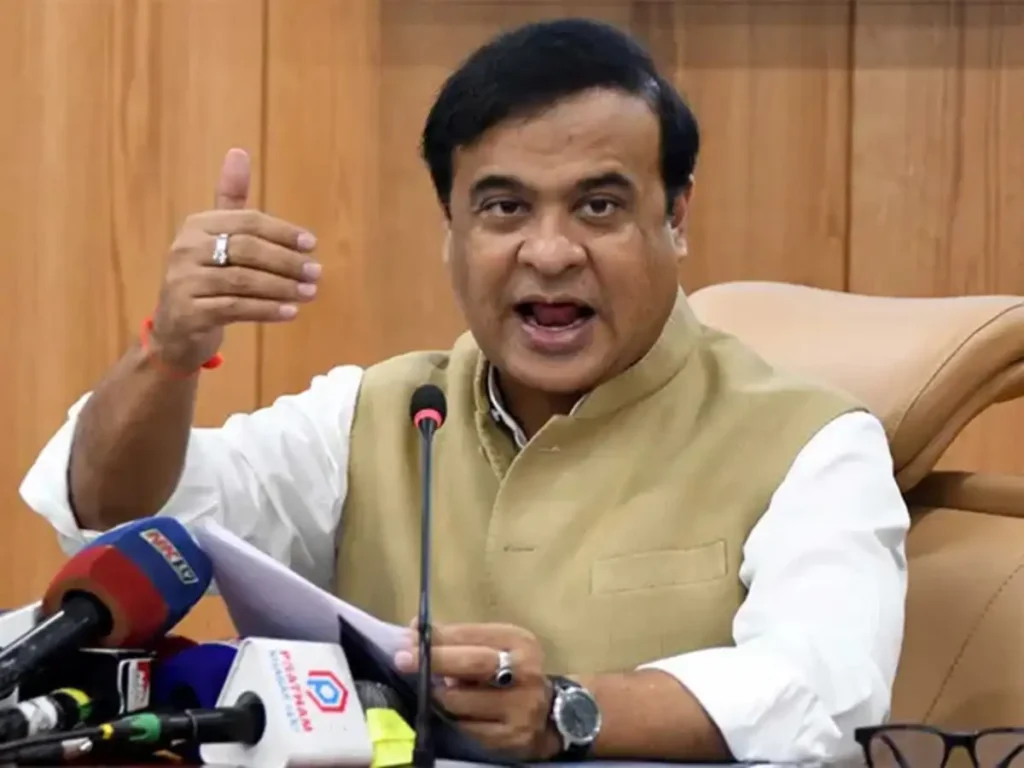
The Assam Pradesh Bharatiya Janata Party said on November 22 that the upcoming 2026 Assembly election will be shaped by what it termed a political contest between the state’s indigenous communities and Muslims of East Bengal-origin, widely referred to as Miya Muslims. Party leaders said identity has always played a role in Assam’s political landscape, but the coming election will see the issue move to the centre of the public conversation. According to the BJP, demographic anxieties, land rights, cultural protection, and national security concerns will form the core of its campaign. The party believes these factors will resonate strongly among indigenous groups across Upper and Lower Assam. The statement signals the BJP’s intention to make identity-based discussions a central part of its electoral strategy.
Assam Minister Warns New Teachers Against Broker Network Interference
BJP Leaders Emphasise Cultural Protection
Addressing party workers, senior BJP leaders argued that indigenous communities feel increasing pressure on land and resources. They said the government’s crackdown on illegal migration and land encroachment has strengthened confidence among various tribal and ethnic groups. The BJP claims it has positioned itself as the “protector” of indigenous rights through policies on citizenship documentation, eviction drives, and preservation of tribal belts and blocks. Leaders said these measures will form a major talking point as the campaign season intensifies. They added that the party expects a strong consolidation of indigenous voters if identity issues remain prominent.
Political Messaging Ahead of the Elections
The BJP’s remarks appear to set the tone for a long, battle-ready campaign stretching well into 2026. Party strategists believe the conversation around identity will overshadow conventional themes like development, welfare schemes, and infrastructure projects. Leaders said emotional issues such as cultural preservation often dominate public sentiment more strongly than economic agendas. At the same time, the party insisted that governance achievements will also be highlighted, especially road expansion, medical colleges, and rural welfare programmes. The combination of development and identity politics is expected to help the BJP widen its voter base.
Opposition Accuses BJP of Polarisation
The Congress and other opposition parties sharply criticized the BJP’s framing of the election narrative. They claimed the ruling party is deliberately trying to divide communities for political gain. According to opposition leaders, Assam has a long and complex cultural history, and reducing it to a binary contest risks deepening mistrust among communities. They argued that the real issues confronting voters are unemployment, price rise, and economic recovery. Opposition groups said they will highlight governance concerns and push for a campaign centered on inclusive development.
Changing Demographic and Political Realities
The debate over indigenous identity and the Miya Muslim community has been part of Assam’s politics for several decades. The BJP argues that the demographic balance in many districts has shifted significantly, making identity an unavoidable topic. Analysts say this shift has influenced voting patterns, community alliances, and even administrative decisions. The issue also intersects with national debates on citizenship laws, border management, and illegal migration. As a result, the 2026 election may reflect both local and national anxieties around identity and belonging.
Community Responses Remain Mixed
Reactions among community groups have been varied. Several indigenous organisations welcomed the BJP’s focus, saying identity and cultural protection remain pressing concerns. They said issues such as land encroachment, shrinking political representation, and cultural dilution must be addressed urgently. However, many Muslim organisations criticised the terminology used in political debates, saying it reinforces stereotypes and fuels discrimination. They argued that local Muslims contribute significantly to Assam’s economy and social fabric, and election campaigns should avoid further polarisation. The contrasting responses reflect the complexity of identity in the state.
Impact on Voter Behaviour in 2026
Political observers say the BJP’s strategy may help consolidate its support in indigenous-majority constituencies. However, they caution that polarisation can sometimes lead to unpredictable electoral outcomes. Voters may also prioritise local development issues such as roads, jobs, drinking water, and healthcare. The 2026 election could therefore turn into a contest between identity-based mobilisation and issue-based grassroots campaigns. The coming year will determine which narrative gains more traction across urban and rural Assam.
What Lies Ahead for Assam Politics
With two years left before the elections, party outreach and public messaging are already intensifying. State leaders have begun touring districts, holding public meetings, and engaging with community groups to shape early opinion. Meanwhile, the opposition is positioning itself as a counterforce to polarisation, with plans to campaign on unity and development-driven issues. Analysts say the 2026 polls may turn into one of the most sharply contested elections in recent years. Assam’s political future, they note, will depend on whether voters prioritise identity, development, or a mix of both.