


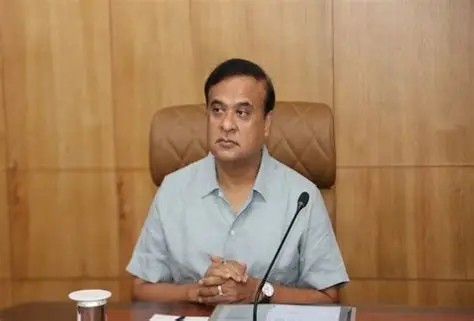
An Assam Legislative Committee team visited Dhubri to review the functioning of key government departments and assess the progress of ongoing public service initiatives. The detailed inspection aimed to understand how departments operate on the ground and how efficiently they deliver essential services. The Assam committee Dhubri visit also focused on identifying gaps, improving accountability, and strengthening coordination among field-level officers.
Read More: Manipur Issues Strong Peace Warning to Groups
The committee interacted with several district officials to gather first-hand information about ongoing projects. Members emphasised that regular reviews help departments remain responsive and ensure that public resources reach the intended beneficiaries. They also explained that on-site inspections allow elected representatives to evaluate challenges more accurately than written reports can. Because of this approach, they expect departments to improve performance and maintain transparency.
During the visit, the committee examined the functioning of revenue, health, education, and social welfare departments. Members asked officials about service delivery timelines, public grievances, and the status of government schemes. They highlighted the importance of prompt action when citizens report issues. According to committee members, timely responses build trust and encourage people to engage with government programmes.
Officials briefed the committee on achievements and ongoing difficulties. They pointed out issues such as staff shortages, infrastructure gaps, and increased workload at the field level. The committee encouraged departments to share concerns openly so that policymakers can plan corrective steps. The Assam committee Dhubri visit, therefore, acted as a bridge between ground realities and state-level planning.
Focus on Service Delivery During Assam Committee Dhubri Visit
The review placed strong emphasis on service delivery, especially in departments that directly interact with the public. Committee members asked health officials about hospital facilities, medicine availability, and patient care. They also discussed progress in maternal health and vaccination programmes. The team stressed that efficient health services play a key role in improving overall community well-being.
Education was another important focus. The committee visited schools and asked about attendance, mid-day meals, and learning outcomes. Teachers explained how they manage large classes and limited resources. The members noted these inputs and assured that they would present them during future policy discussions. This step may help improve conditions in government schools and support students more effectively.
In the social welfare sector, the committee reviewed schemes meant for women, children, and weaker sections. Officers highlighted the progress of nutrition programmes and village-level awareness campaigns. Committee members encouraged them to strengthen outreach so that no eligible person gets left out. They also advised regular monitoring to ensure that benefits reach families on time.
The revenue department presented its updates on land records, registrations, and grievance resolution. The committee asked officials to simplify processes wherever possible and ensure fair treatment for citizens. They stressed that land-related disputes often create stress for families, so the department must act with sensitivity and clarity.
Committee Stresses Coordination and Accountability
Throughout the Assam committee Dhubri visit, members emphasised the importance of inter-departmental coordination. They explained that many government schemes involve cooperation between multiple departments. When communication gaps appear, service delivery slows down. Therefore, they encouraged officials to hold regular coordination meetings and share updates more frequently.
Accountability also remained a key topic. The committee reminded officers that government roles involve both responsibility and public trust. They urged teams to follow deadlines, maintain clear documentation, and respond to complaints quickly. Since Dhubri has diverse communities with varied needs, members said the administration must stay attentive and accessible.
The committee also met local representatives and community leaders. These interactions provided additional insights into public expectations and local challenges. Residents mentioned issues such as road repairs, drinking water supply, and the need for more staff in certain departments. Committee members assured them that these concerns would be included in their report to the state government.
They also encouraged citizens to use official platforms to raise complaints. According to the committee, public participation strengthens governance and creates a healthier administrative environment. The Assam committee Dhubri visit aimed to build this relationship so that people feel confident approaching authorities.
Assam Committee Dhubri Visit Concludes with Key Recommendations
As the visit concluded, the committee prepared a set of recommendations to improve governance in Dhubri. They suggested filling vacancies, upgrading office infrastructure, and improving training for field officers. They also highlighted the need for faster grievance redressal systems, as these help build trust between citizens and the administration.
Members said they will present their findings to the state government soon. They believe the insights gained during the visit will support more effective decision-making. The Assam committee Dhubri visit demonstrated the value of on-ground reviews in strengthening service delivery and promoting accountability.
Read More: Sonowal Leads Asom Diwas Celebration in Delhi Honouring Sukapha