


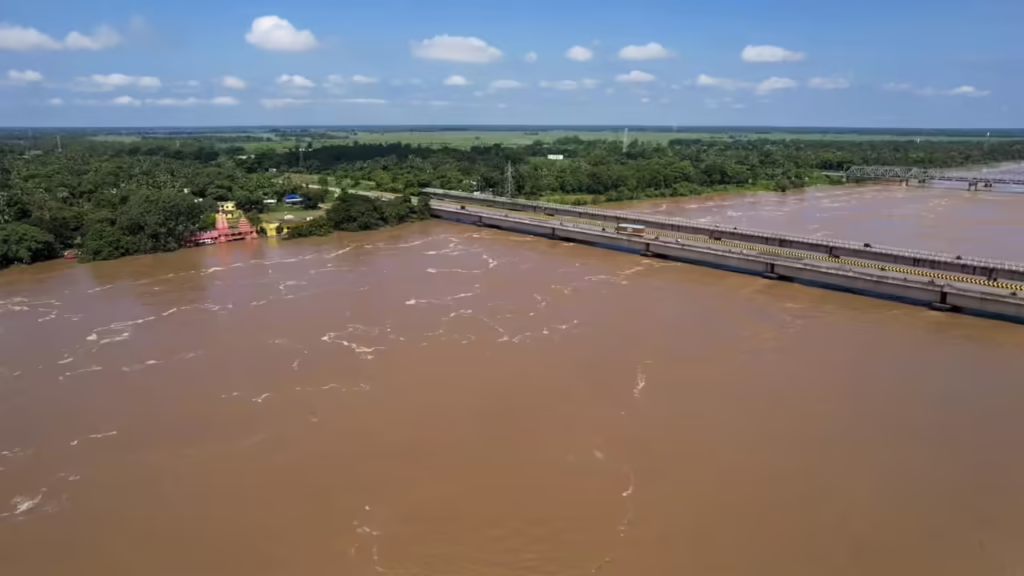
The Assam Flood Inundation situation intensified after heavy monsoon rainfall caused the Dikhow River to rise well above danger levels, leading to widespread flooding across parts of Eastern Assam. According to the available information, the rising water levels submerged large areas and created challenges for affected communities during the monsoon season.
Assam Flood Inundation Expands After Dikhow River Overflow
The Assam Flood Inundation crisis developed after continuous monsoon rains pushed the Dikhow River beyond its danger level. According to the available information, the overflowing river waters submerged vast areas of Eastern Assam, affecting normal life in several locations.
River flooding remains a recurring challenge in Assam during periods of intense rainfall. Moreover, rising water levels can affect transportation, agriculture, and daily activities in vulnerable regions.
The Dikhow River’s increased flow highlights the impact of heavy monsoon conditions across the state. Therefore, monitoring river levels and responding quickly remain important during flood situations.
Authorities continue to assess the situation as rainfall patterns and river conditions change.
Assam Flood Inundation Affects Eastern Assam Regions
The Assam Flood Inundation caused by the Dikhow River overflow has affected large areas of Eastern Assam. According to the available information, heavy monsoon rains contributed to the rise in river levels and subsequent flooding.
Moreover, flood conditions can create difficulties for residents by affecting access to roads, essential services, and agricultural areas. Local authorities generally focus on monitoring affected zones and coordinating necessary responses during such situations.
The flooding highlights the vulnerability of river-adjacent communities during intense monsoon periods. Consequently, continuous assessment becomes essential to understand the extent of the impact.
No detailed information regarding the number of affected people or relief measures has been provided in the available information.
Assam Flood Inundation Highlights Monsoon Challenges
The Assam Flood Inundation caused by the Dikhow River overflow reflects the broader challenges associated with seasonal monsoon rainfall in the region. According to the available information, excessive rainfall resulted in river levels crossing danger marks and flooding nearby areas.
Additionally, Assam’s river systems play an important role in the state’s environment and economy, but they can also create risks during periods of extreme rainfall. Flood management requires coordination between weather monitoring agencies, local administration, and emergency response teams.
The current situation emphasizes the importance of preparedness during the monsoon season. Therefore, regular monitoring of rivers and weather conditions remains crucial for reducing the impact of flooding.
Authorities have not announced further details regarding long-term flood control measures in connection with this incident.
Why the Assam Flood Inundation Situation Matters
The Assam Flood Inundation is significant because flooding caused by rising rivers can affect communities, infrastructure, and agricultural activities across the region. The Dikhow River crossing danger levels demonstrates the challenges posed by intense monsoon conditions.
Moreover, timely response and accurate monitoring help authorities manage flood-related risks more effectively. Early assessment of affected areas allows officials to plan support measures and coordinate emergency responses.
The flooding also highlights the need for continued investment in disaster preparedness and river management systems. Similarly, improved forecasting and community awareness can help reduce the impact of future flood events.
Further official updates may provide additional information regarding the situation and response efforts.
Conclusion
The Assam Flood Inundation situation has become a major concern after heavy monsoon rains caused the Dikhow River to rise above danger levels and submerge large areas of Eastern Assam. The development highlights the impact of intense rainfall on river systems and nearby communities.
Furthermore, the situation underlines the importance of effective flood monitoring, preparedness, and coordinated response during the monsoon season. Rising river levels can create significant challenges for residents, infrastructure, and local economic activities.
Overall, the Assam Flood Inundation caused by the Dikhow River overflow reflects the continuing challenges faced by Assam during periods of heavy rainfall. As weather conditions evolve, further official updates will provide more information about flood conditions and response measures.
FAQs
1. What is the Assam Flood Inundation situation?
The situation refers to flooding caused by heavy monsoon rains that pushed the Dikhow River above danger levels, submerging areas of Eastern Assam.
2. Which river caused the flooding?
According to the available information, the Dikhow River crossed danger levels and contributed to the flooding.
3. What caused the Assam Flood Inundation?
Heavy monsoon rainfall caused river water levels to rise significantly, resulting in flooding in affected areas.
4. Which region was affected by the flooding?
The flooding affected parts of Eastern Assam, according to the available information.
5. Are relief operations underway?
Based on the available information, details regarding specific relief operations have not been provided.