


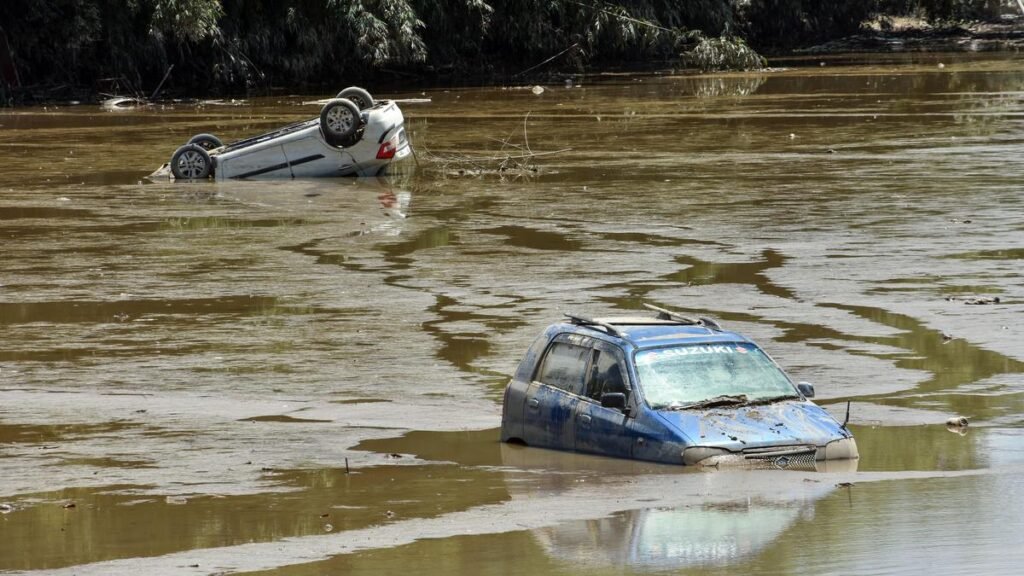
The Assam floods 2026 crisis has reached a critical stage, with 95 reported deaths and around 1.6 lakh people displaced across 14 districts. The scale of the disaster has placed significant pressure on state authorities to expand rescue operations, maintain relief camps, and provide essential assistance to affected families.
Floodwaters have disrupted homes, agriculture, transportation, healthcare, and other essential services. Moreover, the large number of displaced residents highlights the continuing humanitarian challenge facing Assam as authorities assess damage and manage emergency operations.
However, casualty and displacement figures can change as officials verify information from affected areas. Authorities therefore need to maintain accurate reporting while ensuring that relief reaches communities facing the greatest risks.
Assam Floods 2026 Expand Across 14 Districts
The reported flooding has affected 14 districts, demonstrating the geographical scale of the emergency.
Thousands of residents have faced disruption as floodwaters enter homes and affect roads, farmland, and public infrastructure. Furthermore, communities in low-lying areas often require evacuation when water levels rise rapidly.
The widespread impact has increased demands on local administrations.
However, the severity of flooding varies between districts, making local assessments essential for effective relief planning.
95 Deaths Highlight Human Cost
The reported death toll of 95 represents the most serious consequence of the flooding.
Flood emergencies can create risks from rapidly rising water, strong currents, damaged infrastructure, and difficult evacuation conditions. Additionally, isolated communities can struggle to access medical services during severe flooding.
The reported casualties have consequently increased pressure on authorities to strengthen emergency preparedness.
However, officials may update the death toll as they verify individual cases.
1.6 Lakh People Displaced
Around 1.6 lakh people have reportedly faced displacement because of the floods.
Many affected families may have moved into relief camps or temporary shelters. Moreover, displaced residents can lose access to homes, schools, workplaces, markets, and agricultural land.
The large displacement figure highlights the scale of the humanitarian response required.
However, displacement numbers can change as water levels rise or fall and residents return home.
Relief Camps Become Essential
Relief camps provide temporary shelter for people who cannot safely remain in flooded areas.
Authorities need to supply food, clean drinking water, medicines, sanitation facilities, and safe accommodation. Furthermore, officials must monitor camp populations and identify children, older residents, and other people who may require additional assistance.
Efficient camp management can reduce hardship.
However, a sudden increase in displaced residents can place pressure on available facilities.
Sivasagar and Charaideo Face Attention
Sivasagar and Charaideo have emerged as important areas in the broader flood response.
Communities in the two districts have faced disruption from flooding, while authorities manage evacuation, relief, and infrastructure challenges. Additionally, reported fatalities in these areas have increased public attention on local disaster preparedness.
The situation has also generated political discussion.
However, individual casualty figures and causes require confirmation from official sources.
Agriculture Suffers Major Losses
Flooding can cause significant damage to Assam’s agricultural economy.
Farmers may lose standing crops, livestock, stored produce, and agricultural equipment. Moreover, prolonged waterlogging can prevent farmers from returning to their fields and delay future cultivation.
The economic consequences can continue long after floodwaters recede.
However, authorities need detailed assessments before determining the full scale of agricultural losses.
Roads and Bridges Disrupted
Floodwaters can damage or submerge important transport routes.
When roads become inaccessible, residents may struggle to reach hospitals, markets, and relief centres. Furthermore, rescue teams can face delays when they attempt to reach isolated communities.
Maintaining alternative routes therefore becomes important during the emergency.
However, permanent infrastructure repairs may have to wait until water levels fall.
Healthcare Services Face Pressure
Flooding can disrupt healthcare access while increasing demand for medical services.
Residents may need emergency treatment, medicines, maternal healthcare, and treatment for existing conditions. Additionally, relief camps require medical monitoring to address health concerns among displaced families.
Authorities therefore need to maintain mobile medical services and access to hospitals where possible.
However, healthcare requirements vary according to the severity of flooding in each district.
Drinking Water and Sanitation Matter
Floodwaters can contaminate water sources and disrupt sanitation systems.
Authorities must provide safe drinking water and functioning sanitation facilities in relief camps. Moreover, hygiene measures can help reduce public-health risks during prolonged displacement.
These services remain essential throughout the emergency.
However, transport disruptions can complicate the delivery of water and sanitation supplies.
Rescue Operations Continue
Emergency teams face difficult conditions when floodwaters isolate communities.
Rescue personnel may need boats and specialised equipment to reach affected residents. Furthermore, local administrations must identify areas where evacuation requires immediate attention.
Coordination can help authorities use available resources effectively.
However, rescue operations must also account for the safety of emergency personnel.
Government Response Under Scrutiny
The scale of the disaster has increased scrutiny of the Assam government’s response.
Authorities need to communicate clearly about evacuation measures, relief supplies, casualty figures, and assistance available to affected families. Additionally, accurate information can help residents make safer decisions.
Government agencies may also coordinate with central disaster-response organisations.
However, public criticism alone does not establish administrative failure.
Political Debate Intensifies
The reported death and displacement figures have increased political attention.
Opposition parties may question flood preparedness, embankment maintenance, relief distribution, and compensation. Moreover, representatives from affected districts can raise local concerns with state authorities.
The political debate could continue during the recovery period.
However, allegations about negligence or wrongdoing require evidence and appropriate verification.
Central Assistance Could Support Assam
A disaster affecting 14 districts can require significant resources.
Central agencies may provide specialised rescue personnel, equipment, medical support, logistics, and financial assistance through established disaster-response mechanisms. Furthermore, coordination between state and national agencies can strengthen emergency operations.
Such support can supplement local resources.
However, district and state administrations remain essential for implementing relief measures on the ground.
Families Need Compensation
Displaced families can face significant losses involving homes, crops, livestock, and personal belongings.
Authorities may need to conduct detailed assessments before providing eligible compensation. Moreover, families affected by fatalities may require additional support during rehabilitation.
Financial assistance can help households rebuild their livelihoods.
However, compensation depends on verified losses and applicable government guidelines.
Long-Term Flood Management Returns to Focus
The 2026 crisis has renewed attention on Assam’s long-standing flood vulnerability.
Authorities may need to review embankments, drainage systems, river management, flood forecasting, evacuation routes, and emergency shelters. Additionally, stronger community-level preparedness can help residents respond quickly to warnings.
Long-term investment can improve resilience.
However, flood risks cannot disappear entirely because Assam’s geography and monsoon conditions create recurring challenges.
Recovery Will Take Time
The end of immediate flooding will not mark the end of the crisis.
Families may need help repairing homes, restoring agricultural activity, replacing livestock, and returning to work. Furthermore, authorities will need to repair roads, bridges, schools, healthcare facilities, and other public infrastructure.
The recovery phase could therefore continue for months.
However, timelines will depend on the extent of damage across individual districts.
Conclusion
The Assam floods 2026 crisis has caused a reported 95 deaths and displaced around 1.6 lakh people across 14 districts, highlighting the scale of the state’s humanitarian challenge. The flooding has disrupted homes, agriculture, transport, healthcare, and essential services while placing heavy demands on rescue and relief agencies.
Moreover, authorities must maintain accurate casualty and displacement data while ensuring that food, shelter, healthcare, drinking water, and sanitation reach affected communities. At the same time, political scrutiny is likely to continue as residents seek stronger disaster preparedness and faster recovery assistance.
Overall, the crisis demonstrates the need for coordinated action at every level. Effective relief, transparent communication, infrastructure restoration, compensation, and long-term flood management will remain essential as Assam moves from emergency response toward recovery.
FAQs
1. How many people have reportedly died in the Assam floods 2026?
The reported flood-related death toll has reached 95, although authorities may revise the figure following further verification.
2. How many people have been displaced?
Around 1.6 lakh people have reportedly faced displacement across 14 affected districts.
3. How many districts have experienced flooding?
The figures referenced in this report indicate that 14 districts have faced significant flood impacts.
4. What are the immediate needs of displaced families?
Major needs include safe shelter, food, drinking water, sanitation, healthcare, medicines, and assistance with evacuation and essential services.
5. What will Assam need after the floods?
The state will need continued rehabilitation, compensation, infrastructure repairs, agricultural support, and stronger long-term flood-preparedness measures.