


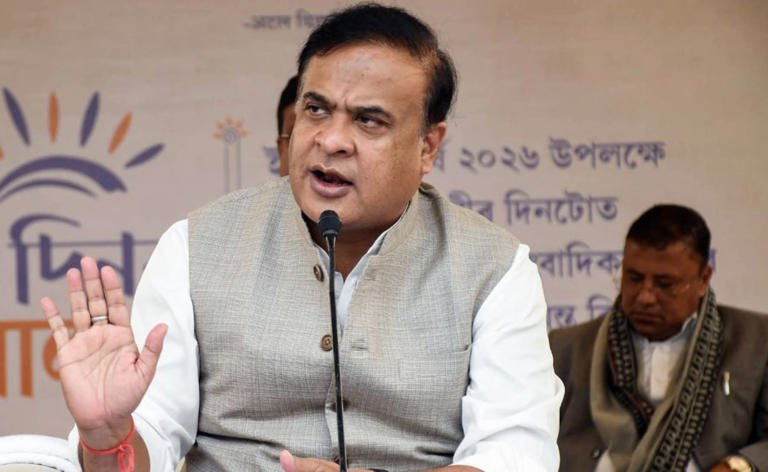
The Assam Gen-Z candidate controversy has taken a sharp turn after the mother of a young electoral contestant formally approached a women’s panel against Himanta Biswa Sarma. The complaint has intensified political tensions in the state, especially at a time when election campaigns are at their peak and public scrutiny remains high.
According to reports, the candidate’s mother alleged that certain remarks made by the Chief Minister were inappropriate and targeted, thereby raising concerns about dignity and respect in political discourse. She urged the women’s commission to take cognisance of the issue and initiate appropriate action to ensure accountability.
The development has quickly drawn attention from multiple political parties, civil society groups, and voters, making it a major talking point in the ongoing Assam political landscape.
Read More: Tripura: Pradyot Debbarma Urges Tribal Communities to Maintain Peace Ahead of ADC Polls
Complaint highlights concerns over political language and dignity
In her letter to the women’s panel, the mother reportedly expressed deep anguish over the remarks, stating that such statements not only affect her daughter but also set a negative precedent for young women entering politics. She emphasised that political disagreements should remain issue-based and should not cross into personal or derogatory territory.
Furthermore, she called for stricter guidelines on campaign language, especially when addressing younger candidates and women participants in the democratic process. The complaint also highlighted the emotional toll such controversies can have on families, particularly when the individual involved is a first-time candidate.
The women’s panel is expected to review the matter and may seek a formal explanation or response. While no immediate action has been announced, the issue has already triggered widespread debate about the tone of political communication in Assam.
Political reactions intensify across party lines
The Assam Gen-Z candidate controversy has prompted swift reactions from opposition parties. Several leaders criticised the alleged remarks and demanded an apology from the Chief Minister. They argued that such incidents discourage youth participation in politics and undermine democratic values.
On the other hand, leaders from the ruling party defended Himanta Biswa Sarma, stating that his comments were either misinterpreted or taken out of context. They maintained that political rhetoric often gets amplified during election periods and urged the public to focus on development issues instead.
Meanwhile, youth organisations and women’s groups have also voiced their opinions. Many of them supported the complaint, calling it a necessary step toward ensuring respect and inclusivity in politics. Some groups have even demanded a broader discussion on creating safer spaces for young leaders, especially women, in the political arena.
Rising role of Gen-Z candidates in Assam politics
The controversy has also brought attention to the increasing presence of Gen-Z candidates in Assam’s political scene. These young individuals represent a new wave of leadership, often focusing on issues such as employment, education, climate change, and digital governance.
However, their entry into politics has not been without challenges. Many young candidates face skepticism, lack of resources, and intense scrutiny from both opponents and the public. Incidents like the current controversy highlight the additional pressures they must navigate.
Despite these hurdles, Gen-Z candidates continue to gain support, particularly among younger voters who seek fresh perspectives and innovative solutions. The ongoing situation may further galvanise discussions around how to better support and protect emerging leaders in the political system.
Women’s panel likely to examine legal and ethical aspects
As the complaint reaches the women’s panel, experts believe the body will examine both legal and ethical dimensions of the issue. While political speech is protected to a large extent, it must still adhere to standards of decency and respect, especially when it involves gender-sensitive matters.
The panel may consider whether the remarks violated any existing guidelines or laws related to harassment or defamation. Additionally, it could recommend measures to prevent similar incidents in the future, including awareness campaigns and stricter enforcement of codes of conduct during elections.
Legal analysts note that such interventions play a crucial role in maintaining balance between free speech and responsible communication. They also underline the importance of institutional mechanisms in addressing grievances and upholding democratic norms.
Impact on ongoing election narrative
The Assam Gen-Z candidate controversy is likely to influence the broader election narrative in the state. Political observers suggest that issues related to respect, inclusivity, and youth participation could become key themes in campaign discussions.
For the ruling party, the challenge will be to manage the fallout and maintain focus on governance achievements. For the opposition, the controversy provides an opportunity to highlight concerns about leadership style and accountability.
At the same time, voters are closely watching how the situation unfolds. Public perception will depend not only on the outcome of the complaint but also on how all stakeholders respond in the coming days.
Conclusion
The Assam Gen-Z candidate controversy has opened up important conversations about political conduct, youth participation, and gender sensitivity in public life. As the women’s panel reviews the complaint against Himanta Biswa Sarma, the incident serves as a reminder of the evolving expectations from leaders and institutions alike.
Ultimately, the way this issue is addressed could set a precedent for future political engagements, especially in an era where young voices are increasingly shaping the democratic process.
Read More: PM Modi to inaugurate HPCL refinery in Rajasthan on April 21