


The Assam government has set its sights on a major investment push as it works towards the Viksit Assam 2047 vision. The state plans to facilitate investments worth around Rs 50,000 crore through a series of infrastructure and development projects.
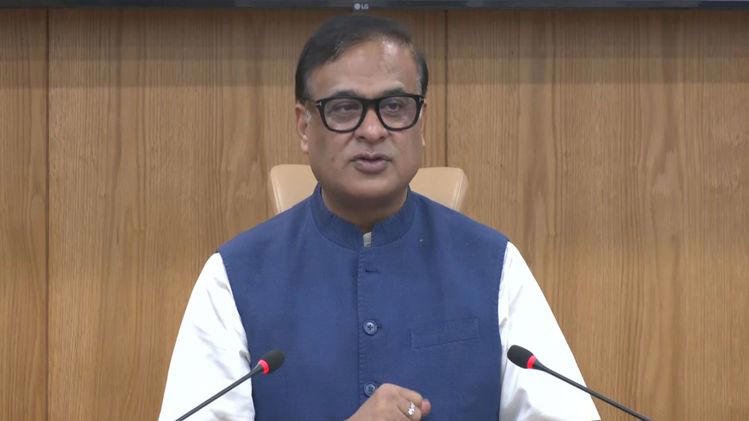
Chief Minister Himanta Biswa Sarma discussed the plan during a two-day District Commissioners’ Conference in Jorhat. The conference ended on September 14, 2026. The government wants districts to play a larger role in the development process. It also wants officials to speed up the implementation of major projects.
The proposed investment will cover several sectors. These include education, healthcare, roads, power, housing and flood-control infrastructure. The government also wants to create better facilities in districts across the state.
Rs 50,000 Crore Push to Strengthen Infrastructure
Infrastructure remains a key part of Assam’s development strategy. The state government wants to use the investment programme to improve essential public facilities.
The plan includes the construction of new Anganwadi centres and stadiums. It also covers infrastructure upgrades at schools, colleges and universities. These projects can help improve access to basic services and create better facilities for residents.
The government also plans to focus on roads and power networks. Better connectivity can support economic activity and make it easier for businesses to operate across different parts of Assam.
Flood management will also remain an important priority. Assam regularly faces floods that damage roads, embankments, homes and public infrastructure. The government plans to invest in the reconstruction of damaged embankments and other flood-related infrastructure.
Education Gets Major Attention
Education forms an important part of the Viksit Assam 2047 development plan. The government has discussed ways to improve school infrastructure and reduce dropout rates.
District officials have received instructions to focus on secondary-level education. The government wants more students to remain in school and complete their education.
Infrastructure upgrades can also improve the learning environment. New buildings, better classrooms and improved facilities can help schools serve students more effectively.
The government also plans infrastructure development in higher education. Improvements at colleges and universities could support students who want to pursue advanced studies within the state.
Healthcare Infrastructure in Focus
Healthcare represents another major area of investment. The Assam government has reviewed several healthcare projects as part of its broader development programme.
One major plan involves converting 4,000 health sub-centres into hospitals in phases. The state has included the proposal in its Budget. The government also plans to expand medical college infrastructure.
Officials have also reviewed the progress of the TB Mukt Bharat Abhiyan. Better healthcare infrastructure can help Assam improve access to treatment, especially in rural and remote areas.
The investment programme therefore aims to connect economic development with improvements in public services. Stronger healthcare facilities can benefit communities while creating additional opportunities in the health sector.
Assam Plans District-Level Land Banks
The government also wants to attract more industrial investment. To support this goal, Assam plans to create land banks in every district.
Land availability often plays an important role when companies select locations for new projects. The proposed land banks could give investors clearer options and make the process of setting up industries easier.
According to the Chief Minister, Assam currently has less than 10,000 bighas reserved for future industrial development. He compared this figure with larger industrial land reserves in states such as Gujarat and Maharashtra.
District-level land banks could help Assam prepare land for future industries. The move could also help the government respond more quickly to investment proposals.
Wider Development Vision for Assam
The Rs 50,000 crore plan forms part of a much larger development strategy. The government has also discussed seeking additional financial support from the Centre.
During Assam’s Independence Day programme in August, Sarma said the state would invest Rs 50,000 crore from its own resources over five years. He also said the state would seek another Rs 1 lakh crore from the Centre.
Together, these plans could create a much larger pool of funds for infrastructure development between 2026 and 2031.
The government hopes these investments will strengthen Assam’s economic base. It also wants the state to develop better infrastructure before 2047.
Seva Sankalpa Abhiyan to Support the Vision
The Assam government has also planned the Seva Sankalpa Abhiyan from September 17 to October 17. The month-long campaign will focus on the themes of Viksit Bharat 2047 and Viksit Assam 2047.
The campaign will include several public activities. These will include drawing, quiz and speech competitions. The government will also felicitate Anganwadi workers, ASHA workers and mid-day meal cooks.
Seva Setu camps will take place at the block level. Residents can use these camps to submit applications and raise grievances with government officials.
The campaign aims to connect the state’s long-term development vision with people at the local level. It also gives district officials a direct role in addressing public concerns.
Challenges Ahead for the Investment Plan
The proposed investment programme could bring significant changes to Assam’s infrastructure. However, effective implementation will remain crucial.
Large projects require proper planning, funding and coordination. District administrations will also need to monitor projects closely. Timely completion will help ensure that investments produce the intended benefits.
Land acquisition, environmental concerns and administrative delays could also affect some projects. The government will need to address these issues while maintaining transparency in project implementation.
The availability of skilled workers will also matter as Assam expands its industrial and infrastructure base. Training and employment programmes could therefore support the wider investment strategy.
Viksit Assam 2047 Roadmap
The Assam government’s Rs 50,000 crore investment push marks an important part of its long-term development roadmap. The plan covers infrastructure, education, healthcare, industry and flood management.
The creation of district-level land banks could support industrial growth. Investments in schools and healthcare facilities could improve public services. Road and power projects could strengthen connectivity and economic activity.
The success of Viksit Assam 2047 will depend on how effectively the government turns these plans into completed projects. With the state targeting major investments over the next five years, Assam is placing infrastructure and public services at the centre of its long-term development strategy.