


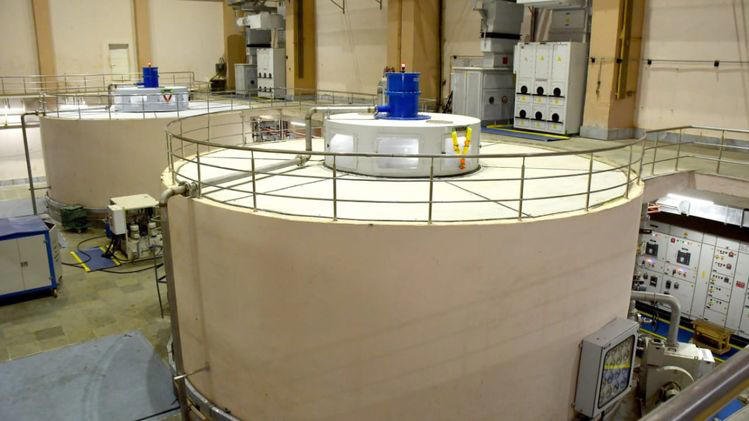
Assam’s hydro projects are increasingly being viewed as a crucial component in stabilising India’s renewable power grid, as the country accelerates its transition toward clean energy. With solar and wind capacity expanding rapidly, experts and policymakers now emphasise the importance of hydropower in balancing fluctuations and ensuring reliable electricity supply. Assam, with its river systems and untapped hydropower potential, occupies a strategic position in this evolving energy landscape.
As India works toward ambitious renewable energy targets, the role of flexible and dispatchable power sources has gained renewed attention. In this context, Assam hydro projects renewable power grid integration has emerged as a key focus area for long-term energy security and grid stability.
Read More: Medicinal Plants in Northeast: Kangpokpi Capacity Programme
Growing need for grid stability in renewable transition
India’s renewable energy capacity has grown significantly in recent years, driven largely by solar and wind power. While these sources reduce carbon emissions, they also introduce variability due to dependence on weather conditions.
Grid operators require reliable backup and balancing mechanisms to manage sudden drops or surges in generation. Hydropower offers this flexibility by allowing operators to adjust output quickly based on demand. Experts note that without such balancing sources, large-scale renewable integration becomes technically challenging.
Assam hydro projects renewable power grid contribution therefore holds importance beyond regional boundaries, supporting national grid stability.
Assam’s hydropower potential and strategic location
Assam’s geography provides natural advantages for hydropower development. Major river systems, including the Brahmaputra and its tributaries, offer substantial potential for both large and small hydro projects.
Located in the northeast, Assam also serves as a gateway for power evacuation from the region to the rest of India. Strengthening hydro capacity in the state can help integrate renewable power generated across the northeast into the national grid more efficiently.
Energy planners view Assam hydro projects renewable power grid linkage as a way to harness regional resources while supporting national energy goals.
Role of hydropower in balancing solar and wind
Hydropower plays a unique role in renewable systems due to its ability to respond quickly to demand changes. Unlike thermal plants, hydro units can ramp up or down within minutes, making them ideal for balancing intermittent sources.
As solar generation peaks during daytime and wind output fluctuates unpredictably, hydropower helps smooth supply curves. Pumped storage projects further enhance this capability by storing excess power and releasing it during peak demand.
Assam hydro projects renewable power grid integration could strengthen this balancing function, especially as renewable penetration increases nationwide.
Policy focus on hydro as renewable energy
The Union government has increasingly recognised large hydropower projects as renewable energy sources, providing policy support and financial incentives. This shift has renewed interest in stalled and upcoming hydro projects, including those in Assam.
Officials stress that hydropower complements other renewables rather than competing with them. By offering grid stability and storage-like capabilities, hydro projects enable higher renewable penetration without compromising reliability.
Assam hydro projects renewable power grid role aligns with this policy direction, positioning the state as a key contributor to India’s clean energy mix.
Environmental and social considerations
While hydropower offers grid benefits, projects in Assam also raise environmental and social concerns. River ecosystems, displacement risks, and seismic sensitivity in the northeast demand careful planning and assessment.
Experts argue that sustainable project design, robust environmental impact studies, and community engagement remain essential. Smaller hydro projects and modern engineering solutions can reduce ecological disruption while delivering grid benefits.
Balancing development with conservation remains central to the future of Assam hydro projects renewable power grid integration.
Regional development and economic impact
Beyond grid stability, hydropower development in Assam carries economic significance. Projects generate employment, improve infrastructure, and support regional growth.
Reliable power supply also attracts investment and strengthens industrial activity. For remote and underserved areas, hydro projects can improve electricity access and socio-economic outcomes.
Thus, Assam hydro projects renewable power grid importance extends beyond energy policy into broader development planning.
Challenges in project execution
Despite strong potential, several challenges persist. Land acquisition issues, environmental clearances, and financing constraints have delayed multiple projects.
Transmission infrastructure also requires upgrades to handle increased power flows. Coordinated planning between central and state agencies remains crucial to overcome these bottlenecks.
Addressing these challenges will determine how effectively Assam hydro projects renewable power grid ambitions translate into reality.
A stabilising force in India’s energy future
As India moves toward a renewable-dominated power system, hydropower stands out as a stabilising force. Assam’s hydro projects, supported by geography and policy focus, offer critical balancing capacity for the national grid.
With careful planning, sustainable practices, and timely execution, Assam hydro projects renewable power grid integration can play a decisive role in ensuring that India’s clean energy transition remains both reliable and resilient.
Read More: Odisha Violence: Ministers Brief CM After Tribal Clash