


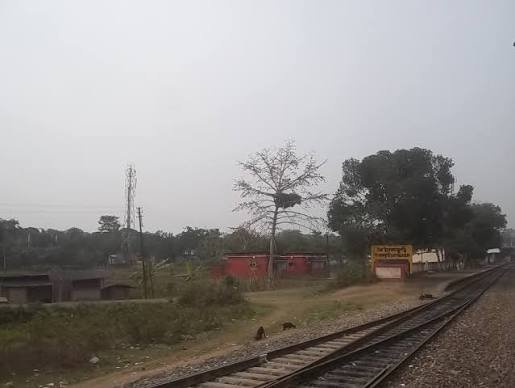
The Kaithalkuchi railway station incident in Assam’s Nalbari district has prompted an inquiry after a young man reportedly experienced a personal crisis at the station on October 25, 2026. Railway personnel, police and State Disaster Response Force (SDRF) members responded to the situation and brought him to safety. The incident disrupted railway services for nearly three hours as officials prioritised public safety and rescue efforts. Local reports linked the incident to an alleged family dispute, although authorities must establish the circumstances through an appropriate inquiry. The case has also drawn attention to the need for timely intervention and coordination between railway authorities, local police and emergency response teams during crises in public places.
Northeast Organic Spice Exports Gain Opportunities in European Markets
Kaithalkuchi Railway Station Incident Prompts Official Attention
The incident occurred at Kaithalkuchi railway station in Nalbari district on Sunday, October 25, according to a report published by The Sentinel on October 27. The young man was identified as Samir Ali, son of Mujib Ali, a resident of Kaithalkuchi Besimari under Belsor police station.
Reports said the incident created a tense situation at the station and required an immediate response from railway personnel and local law enforcement agencies. Officials took steps to protect the young man and prevent further danger while emergency assistance was arranged.
Local reporting attributed the incident to an alleged family dispute. However, that explanation has not been independently established, and investigators must examine the circumstances before drawing conclusions.
The reported order for a local inquiry is intended to clarify the sequence of events and the response by the authorities. Such an inquiry can help establish what happened, identify any procedural gaps and determine whether additional measures are necessary.
Authorities must also handle the matter sensitively, respecting the young man’s privacy and avoiding speculation about his personal circumstances. Public reporting should focus on verified developments rather than unconfirmed claims about family relationships or possible motives.
Railway Personnel and Emergency Teams Coordinate Rescue
Railway authorities responded promptly after receiving information about the incident. According to published reports, officials suspended the high-voltage power supply in the affected area as a precautionary measure.
Railway police and personnel from the Chamata police outpost also arrived at the station. They attempted to persuade the young man to move to safety while managing the situation around the railway infrastructure.
The response later involved the State Disaster Response Force. SDRF personnel arrived in the evening and used rescue equipment to reach the young man and bring him to safety.
The coordinated response involved several agencies with different responsibilities. Railway officials managed railway safety, police personnel supported the immediate response, and the SDRF provided specialised rescue assistance.
Such coordination is important during emergencies at railway stations because officials must protect the individual involved while also managing risks to passengers, staff and railway operations.
The incident reportedly disrupted railway services for nearly three hours. The interruption reflected the need to secure the affected area and allow emergency personnel to complete their work.
Once the immediate situation was brought under control, authorities could focus on reviewing the response and determining whether further action was necessary.
Railway Services Disrupted During Emergency Response
The incident affected normal operations at Kaithalkuchi railway station for approximately three hours, according to local reporting. Railway services sometimes require temporary restrictions when an emergency creates a safety risk near operational infrastructure.
In such circumstances, railway personnel must balance the need to maintain services with the responsibility to protect passengers, staff and members of the public. Temporary interruptions can cause inconvenience, but safety measures take priority during an active emergency.
The incident also highlights the importance of communication between railway control rooms, station staff, local police and emergency services. Clear coordination helps authorities manage access to affected areas and reduce confusion among passengers.
Local railway staff and police personnel played an initial role in responding to the situation. The subsequent involvement of the SDRF provided additional support when the emergency required specialised assistance.
A review of the response could examine how quickly the relevant agencies received information, how they coordinated their actions and whether existing emergency procedures worked effectively.
Authorities could use the findings to improve communication arrangements and emergency preparedness at railway stations. Any recommendations, however, should follow the facts established through the inquiry rather than assumptions about individual conduct.
Inquiry May Clarify Circumstances and Response Measures
The reported local inquiry is expected to help clarify the circumstances surrounding the Kaithalkuchi incident. Investigators may examine available accounts from witnesses and officials to establish the timeline and assess how the response unfolded.
They should also distinguish verified facts from reports about the possible personal circumstances behind the incident. An alleged family dispute, as mentioned in local reporting, should not be treated as a confirmed cause without supporting evidence.
The inquiry could also review the coordination between railway authorities, police and rescue personnel. This would help establish whether officials followed the relevant procedures and whether the response required any improvements.
Beyond the immediate investigation, the incident underlines the importance of sensitive crisis response in public places. People experiencing severe distress may need timely support from trained responders and appropriate local services.
Public institutions can also strengthen staff awareness of emergency protocols, communication procedures and the importance of protecting a person’s dignity during a crisis. These measures can support a safer environment for passengers and other members of the public.
Any official findings should be communicated clearly while protecting the young man’s privacy. Authorities should avoid disclosing unnecessary personal information and ensure that the inquiry remains focused on relevant facts.
Conclusion
The Kaithalkuchi railway station incident in Assam’s Nalbari district prompted an emergency response involving railway personnel, local police and the State Disaster Response Force on October 25, 2026. The young man, identified in local reports as Samir Ali, was brought to safety following coordinated intervention. The incident also disrupted railway services for nearly three hours as officials responded to the emergency.
Local reporting linked the situation to an alleged family dispute, but the circumstances require careful verification. The reported inquiry could help establish the sequence of events and assess how the different agencies coordinated their response. Officials must rely on verified information and avoid drawing conclusions before completing the review.
Going forward, the incident may offer lessons for emergency preparedness at railway stations and coordination among public safety agencies. Timely intervention, clear communication and a sensitive approach can help officials respond effectively when people face a crisis. Protecting individual privacy and reporting only confirmed facts will also remain important as authorities review the incident.
FAQs
1. Where did the incident take place?
The incident occurred at Kaithalkuchi railway station in Nalbari district, Assam, on October 25, 2026.
2. Who was the young man involved?
Local reporting identified him as Samir Ali, a resident of Kaithalkuchi Besimari under Belsor police station in Nalbari district.
3. Which agencies responded to the incident?
Railway police, personnel from the Chamata police outpost and the State Disaster Response Force responded to the situation.
4. How long were railway services disrupted?
According to local reporting, the incident disrupted railway services for nearly three hours.
5. Why has an inquiry been sought?
The inquiry is intended to clarify the circumstances surrounding the incident and review the response by the relevant authorities. The reported family dispute has not been independently established as the cause.