


Focus Keyphrase: Assam Model Code Withdrawal
Introduction & Summary
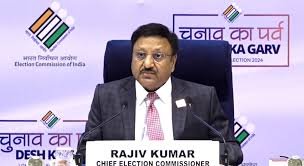
The Election Commission of India has officially withdrawn the Model Code of Conduct in Assam following the successful completion of the election process in the state. The announcement marks the formal end of poll-related restrictions that had remained in force during the campaign and voting period.
Election officials confirmed that administrative departments can now resume regular policy implementation and official decision-making activities. Moreover, political parties have begun shifting focus from campaigning to governance and post-election planning.
The decision comes after the conclusion of polling, vote counting, and related electoral procedures. Political observers believe the withdrawal will accelerate government projects, administrative approvals, and development initiatives that remained temporarily restricted under election guidelines.
Meghalaya Football Capital Push Gains Momentum After State League Finale
Caretaker CM Himanta Sarma to Lead Assam Until New Government Swearing-In
Election Commission Ends Poll Restrictions in Assam
The Assam Model Code Withdrawal became effective after the Election Commission completed all mandatory electoral procedures in the state. Officials stated that the withdrawal applies to all departments, public institutions, and political activities previously regulated under the code.
The Model Code of Conduct is normally enforced during elections to ensure fairness, transparency, and equal campaigning conditions for all political parties. Consequently, governments are restricted from announcing new policies or projects that could influence voters during the election period.
With the code now removed, government departments can resume regular administrative functions without electoral limitations. Furthermore, officials may continue policy execution and pending project approvals that had been paused during the election process.
Political analysts noted that the withdrawal formally signals the transition from election mode to governance mode in Assam.
Government Departments Resume Regular Operations
Several state departments are expected to restart pending administrative work following the Election Commission’s announcement. Infrastructure approvals, welfare scheme implementation, and public project clearances may now proceed without restrictions.
Officials indicated that departments had prepared reports and proposals in anticipation of the code’s removal. Therefore, multiple development-related decisions could move forward quickly in the coming days.
The return to normal administrative operations is likely to affect sectors such as transportation, healthcare, urban development, and public welfare. In addition, local authorities may resume official meetings and policy reviews that were delayed during the election period.
Political observers believe the restoration of routine governance functions will help accelerate state-level development activities after weeks of electoral focus.
Political Parties Shift Focus Toward Governance
Following the end of election restrictions, political parties in Assam have started concentrating on governance priorities and organizational planning. Leaders from the Bharatiya Janata Party and allied groups stated that development and administrative continuity would remain key priorities moving forward.
At the same time, opposition parties have also begun reviewing electoral performance and preparing future political strategies. Consequently, political activity in the state is expected to continue despite the end of formal campaign regulations.
Analysts believe the post-election period often becomes important for shaping future policy narratives and public engagement efforts. Therefore, parties are likely to intensify outreach programs and constituency-level interactions in the coming months.
The withdrawal of the code also allows elected representatives to resume official government-related announcements and public initiatives.
Importance of the Model Code of Conduct
The Model Code of Conduct plays a major role in maintaining fairness during elections across India. It establishes guidelines regarding political speeches, campaign activities, government announcements, and the use of official resources during the electoral process.
Election authorities enforce the code to ensure a level playing field among competing political parties. As a result, governments cannot launch major schemes or make politically sensitive announcements while voting is underway.
Political experts noted that the smooth enforcement and subsequent withdrawal of the code reflected orderly election management in Assam. Additionally, officials praised administrative departments and political parties for largely following electoral guidelines during the poll period.
The Assam Model Code Withdrawal therefore represents the final administrative stage of the completed election cycle.
Development Projects Expected to Accelerate
With election-related restrictions lifted, several infrastructure and welfare projects may now move forward more rapidly. Government departments are expected to prioritize delayed approvals and administrative clearances over the coming weeks.
Development initiatives involving roads, healthcare facilities, housing, and public services could receive renewed attention after the code’s removal. Moreover, investment-related proposals may also progress as departments return to full operational capacity.
Business groups and local organizations welcomed the announcement because it may speed up economic and administrative decision-making. Furthermore, project contractors and civic agencies are likely to resume implementation activities that slowed during the election period.
Observers believe the return to normal governance operations will significantly impact administrative efficiency across multiple sectors in Assam.
Public and Administrative Response
Citizens and public representatives responded positively to the Election Commission’s decision. Many residents expressed hope that pending development work and welfare initiatives would now move ahead without delay.
Administrative officials also confirmed that departments were ready to restart routine governance operations immediately after the code’s withdrawal. Consequently, public offices may begin processing postponed approvals and policy-related matters more actively.
Political commentators stated that the conclusion of election restrictions often marks an important transition period for governments and public institutions. Therefore, the coming weeks are expected to focus heavily on governance, implementation, and administrative coordination.
Conclusion
The formal withdrawal of the Model Code of Conduct by the Election Commission of India marks the end of Assam’s election phase and the beginning of renewed administrative activity across the state. Government departments can now resume regular operations, policy execution, and development initiatives without electoral restrictions.
As political parties transition from campaign mode to governance responsibilities, the focus will now shift toward implementation, public service delivery, and long-term development planning. The coming months are likely to play a crucial role in shaping Assam’s post-election governance agenda.
FAQs
What is the Model Code of Conduct?
It is a set of election guidelines enforced by the Election Commission to ensure fair political campaigning during elections.
Why was the code withdrawn in Assam?
The Election Commission withdrew it after the successful completion of polling and related election procedures.
Which authority removed the Model Code of Conduct?
The Election Commission of India officially announced the withdrawal.
What happens after the code is removed?
Government departments can resume regular administrative work, project approvals, and policy implementation.
Were government activities restricted during the election period?
Yes, authorities faced restrictions on announcing new projects and policy decisions during the election process.
How does the withdrawal affect development projects?
Pending projects and administrative decisions may now proceed without election-related limitations.