


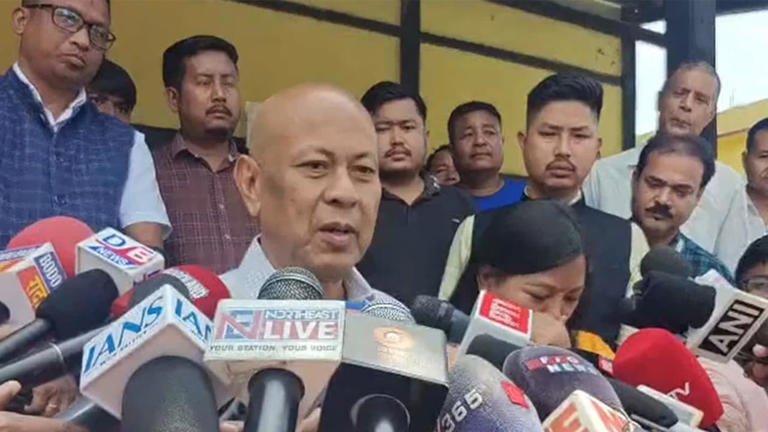
Key political figures in Assam, including Chief Minister Himanta Biswa Sarma and Bodoland Territorial Council (BTC) chief Pramod Boro, participated in the ongoing elections by casting their votes, underscoring the importance of democratic participation. Adding to the political momentum, former BTC chief Hagrama Mohilary also exercised his franchise, while reiterating his political stance amid evolving alliances.
The elections have gained further attention after Pramod Boro expressed support for the National Democratic Alliance (NDA), signaling a consolidation of forces in the region. The developments highlight the strategic importance of the Bodoland region in Assam’s political landscape.
Read More: Assam Voting 2026: What to Expect, Stakes and Result Updates
Leaders Cast Votes Amid High Stakes
Chief Minister Himanta Biswa Sarma cast his vote early in the day, encouraging citizens to actively participate in the electoral process. He emphasized that voting is a fundamental democratic right and urged people to contribute to shaping the state’s future.
Hagrama Mohilary, a prominent leader from the Bodoland region, also cast his vote and interacted with voters. His participation reflects the continued relevance of regional leaders in influencing electoral outcomes, particularly in areas with distinct political dynamics.
Meanwhile, Pramod Boro, who currently heads the BTC, also took part in the voting process. His role extends beyond voting, as his political alignment is seen as a key factor in determining the direction of alliances in the region.
BTC Chief’s Support to NDA
One of the most significant developments in the ongoing polls is Pramod Boro’s backing of the National Democratic Alliance. His support is expected to strengthen the NDA’s position in the Bodoland Territorial Region (BTR), which holds considerable electoral weight.
Boro’s endorsement reflects a broader trend of regional leaders aligning with national coalitions to enhance their political influence. By supporting the NDA, he has signaled a preference for stability and continuity in governance.
Political observers believe that this move could have a decisive impact on the الانتخابات, as the BTR has often played a crucial role in determining outcomes in Assam. The support of influential leaders like Boro adds momentum to the NDA’s campaign.
Role of Regional Leaders in Assam Politics
The involvement of leaders such as Hagrama Mohilary and Pramod Boro highlights the importance of regional dynamics in Assam’s politics. While national parties like the Bharatiya Janata Party play a dominant role, regional leaders continue to wield significant influence.
Hagrama Mohilary, associated with the Bodoland People’s Front, has been a key figure in the region for years. His political decisions and alliances often shape voter preferences in the Bodoland area.
Similarly, Pramod Boro’s leadership of the BTC positions him as a central figure in regional governance. His alignment with the NDA underscores the interplay between local and national politics.
Voter Turnout and Polling Atmosphere
The polling process in Assam has witnessed steady voter turnout, with people from various sections of society participating actively. From rural villages to urban centers, voters have shown enthusiasm in exercising their franchise.
Polling stations reported smooth operations, with election officials ensuring that all necessary arrangements were in place. Security personnel were deployed across sensitive areas to maintain order and prevent any disruptions.
Older people, women, and first-time voters were among those seen at polling booths, reflecting the inclusive nature of the electoral process. Authorities also facilitated voting for differently-abled individuals, ensuring accessibility.
Political Messaging and Campaign Focus
The elections have been marked by intense campaigning, with parties focusing on issues such as development, employment, and regional identity. The BJP and its allies have highlighted their governance record, emphasizing infrastructure growth and welfare initiatives.
On the other hand, opposition parties have raised concerns about unemployment, price rise, and governance challenges. Leaders like Hagrama Mohilary have also used the opportunity to reinforce their connection with local communities.
Pramod Boro’s support for the NDA adds another dimension to the campaign narrative, as it strengthens the ruling alliance’s outreach in key regions.
Strategic Importance of Bodoland Region
The Bodoland Territorial Region remains a critical factor in Assam’s electoral politics. With a distinct socio-political identity, the region often influences the broader political landscape of the state.
Support from leaders like Pramod Boro can significantly impact voter behavior in the area. His backing of the NDA is expected to consolidate votes and improve the alliance’s prospects.
At the same time, the presence of leaders like Hagrama Mohilary ensures that the الانتخابات remain competitive, with multiple players vying for influence. This dynamic creates a complex electoral environment.
What Lies Ahead
As polling progresses, attention will shift to voter turnout figures and eventual results. The participation of key leaders and the alignment of regional forces will play a crucial role in shaping the outcome.
Political analysts suggest that while endorsements and alliances are important, voter sentiment on the ground will ultimately determine the results. Issues such as governance, development, and leadership credibility will remain central.
For now, the participation of Himanta Biswa Sarma, Hagrama Mohilary, and Pramod Boro, along with the BTC chief’s backing of the NDA, has added momentum to the Assam polls. The developments underscore the significance of both individual leadership and strategic alliances in the state’s evolving political landscape.
Read More: Tipra Motha Exit Certain, BJP Eyes District Council Power in Tripura