


Rising Concerns Over Assam’s Air Quality
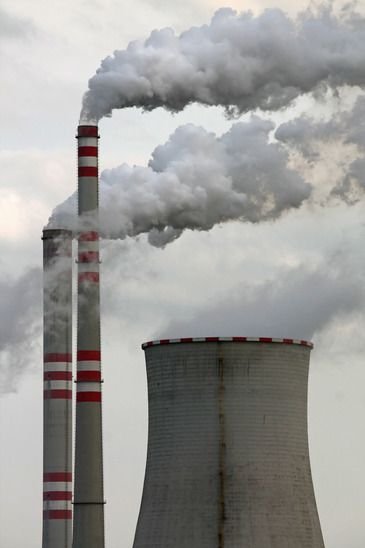
The Assam pollution report CREA has revealed a shocking reality: 11 districts of Assam are ranked among India’s top 50 most polluted. This finding has sparked widespread concern over air quality, unchecked industrial emissions, and the health risks facing millions of residents. Assam, often celebrated for its tea gardens and biodiversity, now finds itself battling a growing environmental crisis.
This revelation has ignited debates among policymakers, environmentalists, and citizens, as Assam—known for its lush tea gardens and biodiversity—now faces a mounting environmental crisis.
The CREA Report: Key Findings
The CREA study highlights alarming levels of particulate matter (PM2.5 and PM10) across several districts. These pollutants, primarily caused by industrial activity, vehicular emissions, and construction dust, pose severe risks to public health.
Districts Under the Spotlight
- Guwahati
- Dibrugarh
- Tinsukia
- Jorhat
- Cachar
- Nagaon
- Sivasagar
- Barpeta
- Kamrup (Metro)
- Golaghat
- Bongaigaon
These districts, once celebrated for their cultural and ecological richness, are now grappling with toxic air that threatens both livelihoods and ecosystems.
Why Assam’s Pollution Levels Are Rising
Industrial Emissions
Assam’s growing industrial base, including oil refineries, coal-based industries, and cement plants, has contributed significantly to rising emissions.
Vehicular Growth
With rapid urbanization, cities like Guwahati have seen a surge in vehicles, leading to higher nitrogen oxide and carbon monoxide levels.
Construction and Urban Expansion
Dust from construction sites and unregulated urban expansion adds to particulate matter, worsening air quality.
Public Health at Risk
Doctors and health experts warn that prolonged exposure to polluted air can lead to:
- Respiratory illnesses such as asthma and bronchitis
- Cardiovascular diseases
- Reduced immunity and higher risk of infections
Children and elderly populations are particularly vulnerable. According to CREA, Assam’s pollution levels could shorten life expectancy if urgent measures are not taken.
Government and Civil Society Response
Policy Measures
The Assam government has pledged stricter monitoring of industrial emissions and is considering expanding air quality monitoring stations across the state.
Civil Society Action
Environmental groups are urging citizens to adopt sustainable practices, such as reducing vehicle usage, planting trees, and supporting clean energy initiatives.
For more details on India’s air quality monitoring, visit the Central Pollution Control Board.
What Can Be Done?
Immediate Steps
- Enforce stricter emission norms for industries
- Promote public transport and electric vehicles
- Implement dust control measures at construction sites
Long-Term Solutions
- Transition to renewable energy sources
- Strengthen environmental laws and penalties
- Increase public awareness campaigns
Protect Assam’s Future
Assam’s pollution crisis is not just an environmental issue—it is a public health emergency. Citizens, policymakers, and industries must act collectively to reverse this trend.
If you live in Assam, consider monitoring local air quality through apps like AirVisual and take preventive measures such as wearing masks and using air purifiers indoors.
READ MORE: Meghalaya Organic Week Positions State as Global Organic Hub
The CREA report serves as a wake-up call for Assam. With 11 districts ranked among India’s most polluted, urgent action is needed to safeguard the state’s environment and its people. Assam’s identity as a land of tea, culture, and biodiversity must not be overshadowed by smog and industrial haze.
The time to act is now—because clean air is not a privilege, it’s a right.