


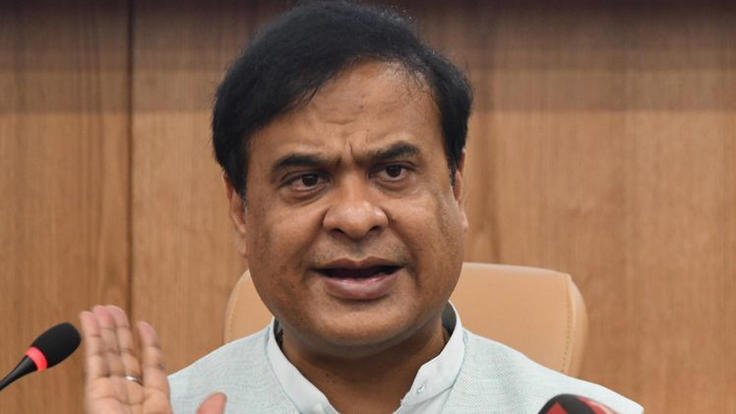
Assam is looking for technology-driven solutions to strengthen its flood preparedness, Chief Minister Himanta Biswa Sarma said on September 25. The move comes after recent floods caused loss of lives and property in several parts of the state.
Speaking at the launch of the North East Seva First Innovation Challenge (NESFIC) 2026 in Guwahati, Sarma called on young innovators to develop practical solutions for Assam’s recurring flood problems. He said technology could help authorities receive warnings earlier and respond more effectively.
Assam Turns to Technology for Flood Preparedness
Floods remain a major challenge for Assam. The state faces recurring inundation that affects homes, agriculture, infrastructure and livelihoods.
Sarma said the recent floods in Sivasagar and Charaideo had highlighted the need for stronger preparedness. He stressed that even a few additional hours of advance warning could make a difference during a flood.
According to the chief minister, an earlier warning could give district administrations more time to protect people, homes and livelihoods. He specifically referred to the possibility that five or six additional hours of warning could have helped during recent flooding in the two districts.
Young Innovators Asked to Find Solutions
Sarma expressed confidence in the ability of young people to develop new solutions for flood management.
The NESFIC platform has been created to connect young innovators with real-world problems. It encourages startups, researchers, professionals and students to develop solutions that can be tested and eventually implemented.
The chief minister said the initiative was not about innovation simply for the sake of creating something new. Instead, it aims to apply knowledge, creativity and technology to problems faced by people, government departments and industries.
This approach could allow innovators to work directly on Assam’s specific challenges. It could also help turn local problems into opportunities for technological development.
AI, Satellites and Drones Among Key Tools
The Science and Technology Department has included several technology-focused challenges under NESFIC.
These challenges involve satellite technology, drones and artificial intelligence. They cover areas such as crop-health monitoring, wetland mapping and detection of encroachment on government land.
Flood management and early-warning systems are also part of the challenge.
The use of multiple technologies could help authorities collect and analyse information more quickly. Such systems could support better decision-making before and during flood events.
The programme therefore places technology at the centre of efforts to improve disaster preparedness.
Digital Twin Proposed for Flood Management
One of the specific challenges involves developing a digital twin for real-time flood management and early warning.
A digital twin can create a digital representation of a physical environment. When combined with real-time information, such a system can help authorities understand changing conditions and assess potential risks.
For Assam, the proposed system could support flood monitoring and early warnings. It could also help officials understand how flooding may affect different areas.
The challenge is part of a wider effort to encourage technology-based approaches to disaster management.
Technology Could Improve Early Warnings
Early warning remains a critical part of flood preparedness. Communities need timely information to move people, protect property and secure essential resources.
Sarma said even a few additional hours could be valuable for district administrations. Earlier information could help officials organise evacuations and coordinate emergency responses.
Technology can potentially strengthen this process by combining data from different sources. Satellites, drones, weather information and artificial intelligence could be used together to identify developing risks.
The effectiveness of such systems, however, will depend on their accuracy and their ability to deliver information quickly to officials and communities.
Focus Also on Guwahati’s Waterlogging
The technology challenge is not limited to rural flooding. Urban waterlogging is another issue being addressed under NESFIC.
The Housing and Urban Affairs Department has invited innovators to develop systems that can automatically detect blocked culverts. Blocked drainage channels can contribute to waterlogging during heavy rainfall.
An automated detection system could help authorities identify drainage problems faster. It could also help officials prioritise locations that require immediate attention.
The proposal reflects the broader aim of using technology to address everyday governance problems.
50 Real-World Challenges Under NESFIC
NESFIC 2026 features 50 real-world challenges. Forty challenges have been submitted by government departments, while 10 have come from industry organisations.
The challenges cover several sectors. These include agriculture, healthcare, climate and sustainability, mobility, tourism and digital technologies.
Flood management is therefore part of a much wider innovation programme. The government wants young innovators to develop solutions that can address practical problems across Assam and the wider Northeast.
Government Could Become an Early Customer
A major feature of NESFIC is its focus on helping startups move from ideas to implementation.
Startups often face difficulties when trying to sell new products to government departments. Procurement requirements can make it difficult for young companies without previous experience to enter the market.
NESFIC aims to create a pathway for successful innovators to work with government agencies. This could allow promising solutions to be tested in real conditions.
Selected startups will receive mentoring and access to testing facilities. The programme also includes financial support for developing minimum viable products.
Assam Seeks Stronger Flood Resilience
Assam’s push for technology-driven flood preparedness comes as the state looks for new ways to deal with recurring disasters.
Traditional flood-management measures remain important. However, the government is also exploring artificial intelligence, satellite data, drones and digital systems to strengthen preparedness.
The success of these solutions will depend on how effectively they can be tested and used on the ground. Reliable warnings must also reach local administrations and communities in time.
Through NESFIC, Assam is now seeking to bring young innovators into this process. The objective is to develop practical technologies that can improve flood preparedness, protect livelihoods and strengthen the state’s ability to respond to future floods.