


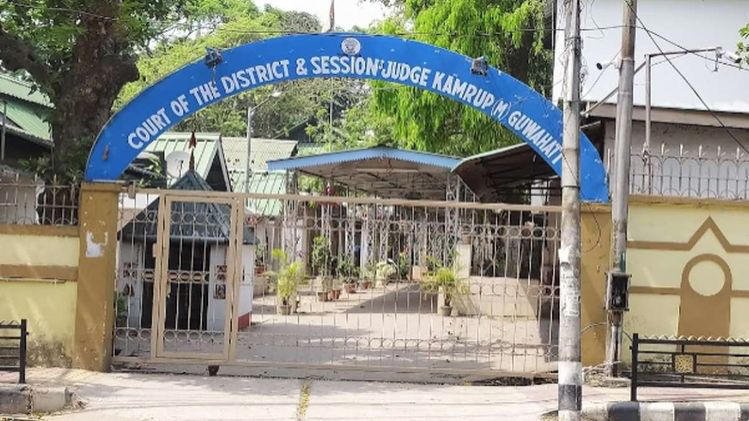
A special TADA court in Assam has acquitted 31 United Liberation Front of Asom (ULFA) leaders in a 34-year-old case. The verdict comes as a major legal milestone, highlighting the complexities of insurgency-related trials in the state. The case dates back to 1990, a period when Assam witnessed heightened militancy and counterinsurgency operations.
Read More: Arunachal Lokayukta Team Sworn In At Raj Bhawan
Long-delayed trial finally concludes
The trial against the ULFA leaders stretched for decades, with multiple delays and procedural hurdles. The prosecution had accused them of involvement in unlawful activities, including extortion and conspiracy to wage war against the state. However, the court ruled that the evidence presented was insufficient to establish their guilt beyond a reasonable doubt.
Families of the acquitted leaders welcomed the decision, describing it as justice long overdue. Many of the accused had already spent years in detention before being released on bail, while others were restricted by stringent legal conditions. The acquittal now clears them of all charges.
Court stresses on lack of evidence
The special TADA court noted that much of the prosecution’s evidence relied on testimonies recorded decades ago. Many witnesses either failed to appear or had passed away, weakening the case further. The court observed that continuing the trial under such conditions would not serve the cause of justice.
Lawyers representing the accused argued that the case had become symbolic of prolonged legal harassment. They maintained that the leaders had faced both personal and political consequences due to the drawn-out proceedings. The verdict, they said, restored their dignity after years of uncertainty.
Political reactions to the verdict
The acquittal of the ULFA leaders has drawn mixed reactions from political circles in Assam. Several parties hailed the decision, stating that it aligns with the peace-building efforts underway in the state. They argued that dragging out old cases only prolonged mistrust between the government and former insurgents.
However, critics questioned whether acquittals in such sensitive cases send the right message. Some argued that insurgency-related crimes should not be easily dismissed, as they had disrupted life in Assam for years. They also warned that such outcomes may impact ongoing negotiations with other groups.
Impact on ULFA and peace talks
The United Liberation Front of Asom has been central to Assam’s insurgency history since the late 1970s. While a large section of the group has joined peace talks with the government, factions continue to operate underground.
Observers believe the court’s verdict could strengthen the peace camp, as it removes a significant legal hurdle for several leaders. Many of the acquitted figures are likely to play a more active role in discussions with the government. Peace negotiations have already been progressing, with the aim of reaching a final settlement that addresses political and developmental concerns in Assam.
Legal experts on prolonged trials
Legal experts pointed out that the ULFA case highlights flaws in India’s handling of long-pending trials under special laws like TADA. They noted that prolonged proceedings undermine the credibility of the justice system. Many stressed the need to either fast-track such cases or review them periodically to avoid unjust delays.
They also highlighted that the acquittal does not necessarily mean the accused were innocent of all past actions. Instead, it reflects the state’s inability to sustain evidence over decades, raising broader questions about how insurgency cases should be legally managed.
Way forward for Assam
The acquittal of 31 ULFA leaders comes at a time when Assam is seeking stability and accelerated development. The government has repeatedly emphasized its focus on peace, dialogue, and growth in the region. Analysts say the verdict could help remove lingering tensions that often resurface during negotiations.
However, they also caution that reconciliation must go beyond legal decisions. Assam continues to face challenges of unemployment, ethnic tensions, and demands for autonomy. Addressing these concerns through inclusive policies and dialogue remains essential to ensure lasting peace.
The special TADA court’s decision to acquit 31 ULFA leaders marks the end of a 34-year-old legal battle. While welcomed by many as overdue justice, it also highlights deep flaws in how insurgency-related cases are handled. For Assam, the verdict may serve as both a legal milestone and an opportunity to push forward its peace-building agenda. The coming months will reveal how this ruling shapes the ongoing dialogue between the government and insurgent groups.
Read More: 6 Health Benefits of Amla Juice and Daily Use Tips