


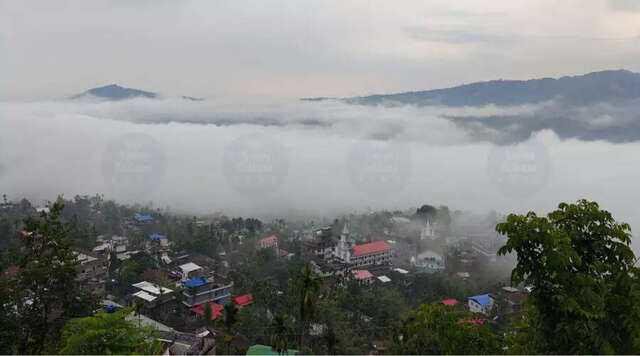
Assam has significant potential to emerge as one of Northeast India’s leading tourism destinations. Its wildlife, rivers, tea gardens, cultural traditions and heritage sites offer a diverse range of experiences for domestic and international visitors.
The state is home to three UNESCO World Heritage Sites, including Kaziranga National Park, Manas National Park and the Charaideo Moidams. It also has several other protected areas, including national parks and wildlife sanctuaries.
The Brahmaputra, one of Asia’s major rivers, adds another distinctive feature to Assam’s tourism landscape. River cruises, wildlife tourism, tea tourism and cultural experiences can help the state attract visitors throughout the year.
However, the state’s tourism potential also faces infrastructure and connectivity challenges. Addressing these gaps will be important if Assam wants to turn its natural and cultural attractions into sustained economic opportunities.
Wildlife Tourism Remains a Major Attraction
Wildlife remains one of Assam’s strongest tourism assets. Kaziranga National Park attracts visitors from across India and abroad because of its population of one-horned rhinoceroses and diverse wildlife.
The park also supports populations of elephants, tigers, wild water buffaloes and several species of birds. Its landscape of grasslands, wetlands and forests provides opportunities for jeep safaris and other nature-based experiences.
Manas National Park, another UNESCO World Heritage Site, offers a different wildlife experience. Located along the Bhutan border, it is known for its biodiversity and scenic landscape.
Other protected areas, including Orang National Park and Nameri National Park, can further strengthen Assam’s wildlife tourism circuit.
Tea Tourism Offers Untapped Opportunities
Assam’s tea industry provides another major opportunity for tourism. The state has hundreds of tea gardens spread across different districts.
Tea estates can offer visitors experiences that go beyond conventional sightseeing. Plantation tours, tea-tasting sessions, heritage bungalows and demonstrations of tea production can form part of specialised tourism packages.
Tea tourism can also connect agriculture with hospitality. Local communities can benefit through homestays, handicrafts, food services and cultural activities.
Developing these experiences could help Assam attract travellers interested in the history and production of one of the state’s most famous products.
Cultural Tourism Can Expand Assam’s Appeal
Assam has a rich cultural heritage shaped by its many communities and traditions. Festivals such as Rongali Bihu provide opportunities to showcase music, dance, food and traditional customs.
The state also has important religious and historical destinations. Kamakhya Temple in Guwahati attracts pilgrims throughout the year, while Majuli offers visitors an opportunity to explore Assamese Vaishnavite culture and the traditions of its satras.
The Charaideo Moidams, which received UNESCO World Heritage status, add another important historical attraction. The ancient burial mounds of the Ahom royalty offer opportunities for heritage tourism and greater international visibility.
River Tourism Could Become a Growth Sector
The Brahmaputra provides Assam with an opportunity to expand river-based tourism. Cruise tourism has already emerged along parts of the river, offering visitors a different way to experience the state’s landscape.
River tourism can connect destinations while creating opportunities for local businesses. Boat services, hospitality, food, handicrafts and cultural performances can all form part of the tourism ecosystem.
However, river tourism requires appropriate terminals, safety measures, navigation facilities and supporting infrastructure. Investment in these areas will be important for the sector’s long-term development.
Connectivity Remains a Major Challenge
Despite its attractions, Assam continues to face infrastructure challenges that can affect the visitor experience.
Road connectivity has improved significantly in several parts of the state, but travel to remote tourism destinations can still take considerable time. Poor road conditions, seasonal flooding and landslides can also disrupt travel.
Air connectivity has expanded, particularly through Lokpriya Gopinath Bordoloi International Airport in Guwahati. However, travellers visiting destinations outside Guwahati may still need long road journeys.
Better last-mile connectivity could make lesser-known destinations more accessible and help distribute tourism beyond major centres.
Accommodation Needs More Expansion
Accommodation is another important area for tourism development. Major cities and established tourist destinations have hotels and resorts, but visitors may find fewer quality options in remote locations.
The development of homestays could help address this gap. It could also allow tourists to experience local food, traditions and lifestyles while generating additional income for families.
At the same time, authorities need to maintain standards for hygiene, safety, waste management and visitor services.
Sustainable Tourism Is Essential
Tourism growth can bring economic benefits, but uncontrolled tourism can also put pressure on fragile ecosystems.
This issue is particularly important for Assam because many attractions lie within or near forests, wetlands, river systems and wildlife habitats.
Sustainable tourism practices can help balance economic development with environmental protection. Authorities and tourism operators can promote responsible waste disposal, regulated visitor numbers, eco-friendly accommodation and conservation awareness.
Local communities should also have a meaningful role in tourism development. Their participation can create employment while helping protect cultural and natural resources.
Floods and Climate Challenges
Assam’s geography creates another challenge for tourism. Seasonal floods regularly affect parts of the state and can disrupt roads, transport and local businesses.
Extreme weather events can also damage tourism infrastructure. Building resilient roads, bridges, accommodation and visitor facilities will therefore be important.
Tourism planning needs to consider Assam’s environmental conditions rather than relying only on conventional infrastructure models.
Digital Promotion Can Attract More Visitors
Assam also has an opportunity to improve tourism promotion through digital platforms. High-quality websites, social media campaigns, virtual tours and multilingual information can help travellers discover destinations before they arrive.
Many lesser-known locations have strong tourism potential but receive limited national or international attention. Better digital marketing could help introduce these places to new audiences.
Clear information about transportation, accommodation, permits, attractions and local experiences can also make trip planning easier.
Connecting Tourism With Local Employment
Tourism can create employment across several sectors. Hotels, restaurants, transport services, guides, handicrafts and cultural activities can all benefit from higher visitor numbers.
Women and young people can also participate through homestays, food businesses, craft production and tourism-related services.
For Assam, developing tourism therefore involves more than increasing visitor numbers. The state can use tourism to create stronger local economic networks and encourage entrepreneurship.
Assam Needs Infrastructure Alongside Promotion
Assam’s natural and cultural attractions give it a strong foundation for tourism growth. Wildlife parks, tea gardens, the Brahmaputra, religious sites, heritage locations and cultural traditions offer visitors a wide variety of experiences.
Yet promotion alone cannot sustain tourism growth. Better roads, reliable connectivity, accommodation, sanitation, safety and visitor facilities remain essential.
The state’s challenge is to develop infrastructure without damaging the resources that attract visitors in the first place.
The Road Ahead for Assam Tourism
The future of Assam tourism potential will depend on how effectively the state combines promotion, infrastructure development and sustainability.
Improved connectivity can make established destinations easier to reach while opening up lesser-known locations. Better accommodation can encourage longer stays, while community-based tourism can spread economic benefits to rural areas.
Assam already possesses many of the assets required for a strong tourism industry. The next step is to build the infrastructure and services needed to make those attractions accessible, sustainable and visitor-friendly.
With careful planning, stronger connectivity and greater community participation, tourism can become an important contributor to Assam’s economy while preserving the state’s distinctive natural and cultural heritage.