


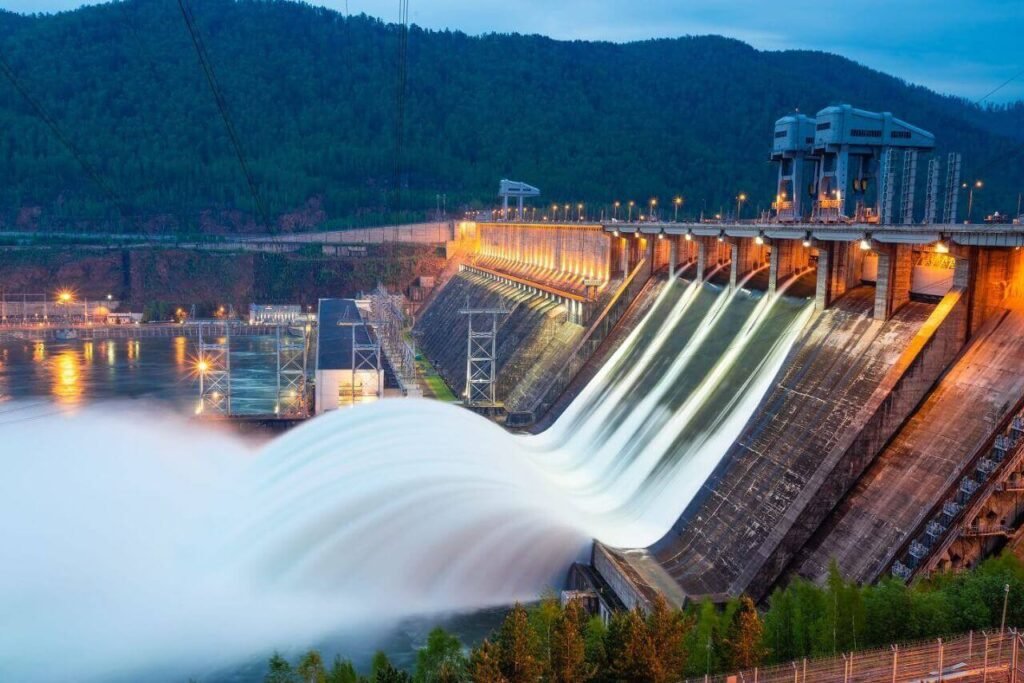
The proposed 55 MW Ukiam hydropower project on the Assam–Meghalaya border has sparked fierce opposition. The Garo National Council (GNC) and the Rabha National Council (RNC) have joined hands with several local organizations. They declared that they will resist the dam “under any circumstances.”
The project is planned near Ukiam, a sensitive eco-zone linking Assam’s Kamrup district with Meghalaya’s West Khasi Hills. While the government highlighted its potential to generate clean energy, local residents expressed fear of displacement, environmental destruction, and cultural loss.
Concerns of Garo and Rabha Communities
The Garo and Rabha groups argue that the project will affect thousands of families. They say that fertile agricultural land will be submerged, and forests rich in biodiversity will be lost forever. Leaders claimed the dam will destroy traditional livelihoods such as farming, fishing, and forest-based activities.
According to the GNC and RNC, the project could also alter the fragile ecological balance of the border region. They demanded the government immediately scrap the plan. Local groups said they were not consulted adequately before the proposal was pushed forward.
A History of Resistance
The Ukiam dam project has been in discussion for several years. Earlier attempts to push it forward faced strong objections. Environmentalists have consistently warned about flooding risks and damage to aquatic ecosystems.
The fresh wave of protests in 2025 comes after reports that survey work for the project has resumed. This triggered anger in villages across the Assam–Meghalaya border belt. Protestors staged rallies and public meetings to highlight the threat to their land and identity.
Government’s Push for Hydropower
The Assam government has maintained that hydropower is vital for meeting rising energy demands. Officials argue that projects like Ukiam will reduce dependence on fossil fuels and help meet renewable energy targets.
The proposed dam aims to generate 55 MW of power, which the government says can boost local industries and improve electricity supply in rural areas. The project is also linked with the state’s long-term vision of promoting green growth.
However, protestors counter that the price of development cannot be paid by destroying communities. They demand that the government explore solar and wind alternatives instead of building large dams in sensitive zones.
Voices from the Ground
During a recent protest, leaders of the Rabha National Council said the government was ignoring indigenous rights. They accused authorities of rushing the project without considering the social cost.
Garo leaders also echoed the same sentiment. They said that the dam would uproot families and erase sacred cultural spaces tied to rivers and forests. “Our people will never accept this project,” a senior activist declared at a rally in Ukiam.
Women’s groups and student unions joined the demonstrations. They said that hydropower projects often promise jobs and development but leave locals displaced and marginalized.
Environmental Concerns
Experts caution that the project could have irreversible ecological impacts. The area around Ukiam is home to rich flora and fauna. Dams often alter river flow, affecting fish species and aquatic ecosystems.
There are also concerns about deforestation, landslides, and soil erosion. Environmentalists stressed that such projects on fragile border zones can worsen climate risks. They called for a transparent environmental impact assessment before moving ahead.
A Brewing Political Issue
The growing opposition has also turned the Ukiam dam into a political issue. Several regional parties have voiced support for the protesting groups. They said the government must respect local sentiments and rethink its development priorities.
The issue may create tensions between Assam and Meghalaya as well. Many villages on both sides of the border share common ecosystems and ethnic ties. Leaders warned that unrest could deepen if the government tries to push the project forcibly.
Call for Dialogue and Alternatives
Protestors demanded immediate dialogue with the Assam government. They want authorities to drop the hydropower project and instead promote eco-friendly models of development. Many suggested small-scale renewable energy projects that do not displace people or damage forests.
Civil society groups called on both Assam and Meghalaya governments to listen to indigenous voices. They urged the central government to intervene and protect tribal rights guaranteed under the Constitution.
The Road Ahead
The future of the Ukiam hydropower project now hangs in balance. With mounting protests and rising political pressure, the Assam government faces a tough decision.
On one hand, it wants to meet energy needs and push for green power. On the other hand, it faces a united movement of Garo, Rabha, and other indigenous groups determined to protect their land and culture.
The outcome will depend on whether the government chooses confrontation or consultation. For now, Ukiam stands at the center of a clash between development and indigenous survival.