


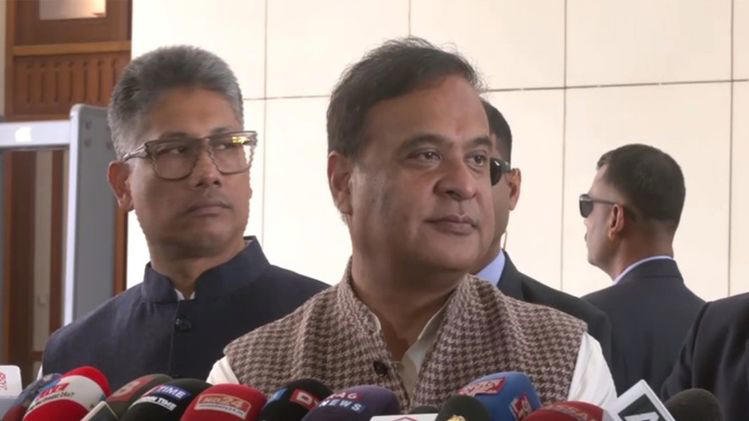
Assam Chief Minister Himanta Biswa Sarma recently described Barak Valley as a region that has moved from neglect to becoming an important part of the national landscape. Highlighting ongoing Barak Valley development, he said the government’s focus on infrastructure, connectivity, and economic initiatives has begun to transform the southern Assam region. The statement reflects the administration’s broader push to ensure balanced growth across the state.
Barak Valley, which includes the districts of Cachar, Karimganj, and Hailakandi, has long faced challenges related to connectivity and limited investment. However, recent projects in transport, healthcare, and education have started to change the region’s image. According to the Chief Minister, these developments aim to integrate Barak Valley more closely with national growth plans.
Read More: Guwahati Hollongi Flights Plan Gains Momentum
Barak Valley development gaining new momentum
During a public address, the Chief Minister said Barak Valley development is no longer limited to promises but has entered a phase of visible change. He pointed to road upgrades, railway improvements, and expansion of airport facilities as examples of the state’s renewed commitment. Improved connectivity has reduced travel time and made it easier for businesses to operate in the region.
The government believes that better infrastructure will attract investors and create employment opportunities for local youth. As a result, several initiatives have been launched to strengthen tourism, small industries, and agricultural markets. Officials argue that these steps will help Barak Valley move from a peripheral region to a growth hub in southern Assam.
From neglect to national importance
For many years, residents felt that Barak Valley remained overlooked compared to other parts of Assam. Limited transport options and slow development projects often affected daily life. However, the Chief Minister’s remarks emphasised that Barak Valley development is now a priority under the state’s long-term planning strategy.
He stated that the region’s strategic location makes it an important gateway to neighbouring states and international borders. Therefore, strengthening infrastructure in Barak Valley not only benefits local communities but also supports wider economic integration. With new policies encouraging trade and tourism, the government hopes to increase the region’s national visibility.
Local leaders and community members have welcomed the focus on development. Many believe that sustained investment can improve education, healthcare access, and employment prospects. At the same time, they stress the need for careful planning to ensure that growth remains inclusive and environmentally sustainable.
Infrastructure and connectivity driving change
One of the key factors behind Barak Valley development is the expansion of transport networks. Upgraded highways and improved rail connectivity have made it easier to move goods and passengers across the region. The government has also worked to enhance digital infrastructure, enabling better access to online services and business opportunities.
Airport modernisation projects are expected to further strengthen connectivity with major Indian cities. Tourism officials say improved travel options could attract more visitors to Barak Valley’s cultural and natural attractions. From historical landmarks to scenic landscapes, the region has significant potential to grow as a tourism destination.
Education and healthcare have also received attention. New institutions and upgraded facilities aim to reduce the need for residents to travel long distances for essential services. These improvements reflect the government’s claim that Barak Valley development is part of a broader effort to reduce regional disparities within Assam.
Challenges and the road ahead
Despite progress, Barak Valley still faces challenges that require sustained effort. Flood management, employment generation, and industrial investment remain key concerns for residents. Experts suggest that long-term planning and community participation will be essential to ensure that development benefits all sections of society.
The Chief Minister’s statement has sparked discussions about how the region’s transformation will unfold in the coming years. Supporters see it as recognition of Barak Valley’s growing importance, while critics urge the government to focus on consistent implementation of projects. Nonetheless, the emphasis on Barak Valley development signals a shift toward more balanced regional growth.
Conclusion
The remark that Barak Valley has moved from neglect to the centre of the national landscape highlights the changing narrative around the region. With ongoing Barak Valley development projects in infrastructure, connectivity, and social services, the state government aims to create new opportunities for residents while strengthening Assam’s overall growth story.
As investments continue and connectivity improves, Barak Valley may emerge as a key contributor to the Northeast’s progress. The coming years will determine how effectively these initiatives translate into long-term prosperity and improved quality of life for the people of southern Assam.