


Introduction
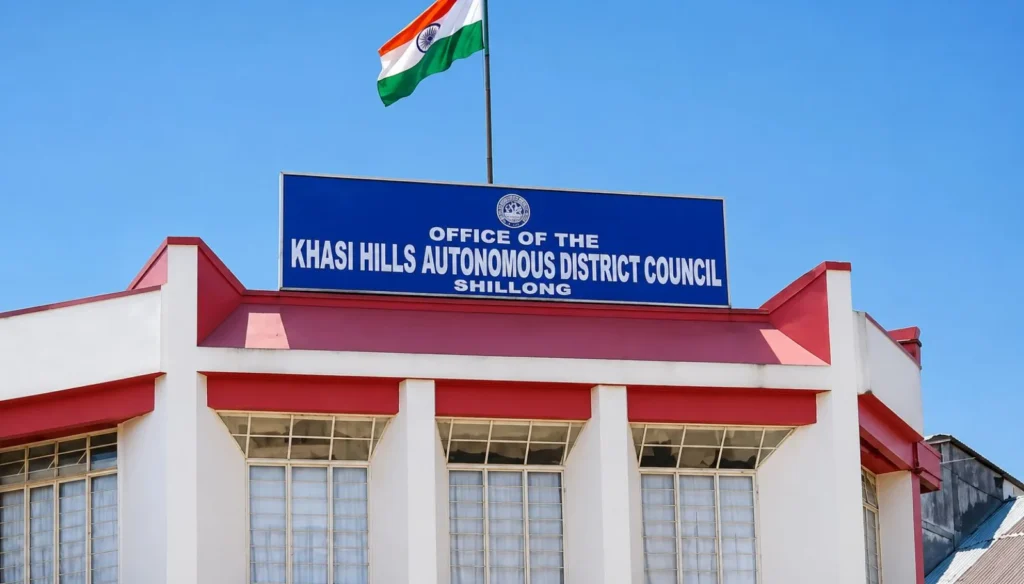
The Blinkit Meghalaya license denial has drawn attention after the Khasi Hills Autonomous District Council (KHADC) declined to grant a trading license to the quick-commerce platform Blinkit. The decision has sparked discussion over local business regulations and the licensing process governing commercial operations within the council’s jurisdiction. Officials stated that the matter falls under the applicable regulatory framework, while stakeholders continue monitoring the implications for e-commerce and retail businesses in the state. Meanwhile, authorities have maintained that licensing decisions follow established legal procedures.
Mizoram Heroin Anti-Narcotics Drive Seizes Shipment
Lower Siang Administration Urges Residents Along Siji River to Relocate Amid Flash Flood Threat
KHADC Declines Trading License
The Blinkit Meghalaya license denial emerged after the Khasi Hills Autonomous District Council refused to issue a trading license to the company. Consequently, the decision prevented the platform from commencing operations under the council’s jurisdiction. Officials indicated that the application underwent review in accordance with the relevant rules and administrative procedures.
Meanwhile, the council reiterated its authority to regulate commercial activities within areas under its administration. Officials also emphasized that businesses must comply with applicable licensing requirements before starting operations. Furthermore, the development has attracted attention from traders and industry observers across the region.
Authorities stated that all applications receive consideration under the existing regulatory framework.
Licensing Decision Draws Public Interest
The Blinkit Meghalaya license denial has generated discussion among local businesses, trade groups, and consumers regarding the regulation of quick-commerce services. Administrators continue maintaining that licensing decisions aim to ensure compliance with established laws and local governance requirements. At the same time, stakeholders are assessing the possible implications for retail competition and commercial activity.
Furthermore, officials encouraged businesses seeking approval to follow the prescribed application process. They also emphasized the importance of complying with statutory and administrative requirements before launching operations.
Authorities continue reviewing commercial applications according to the applicable rules.
Regulatory Framework Remains Central
The Blinkit Meghalaya license denial highlights the role of autonomous district councils in regulating trade within their jurisdictions. Licensing authorities examine applications based on legal provisions, local regulations, and administrative guidelines before granting approvals. In addition, officials continue engaging with stakeholders to explain licensing procedures and regulatory expectations.
Meanwhile, commercial operators remain attentive to policy developments that may influence future business approvals. Authorities have also reiterated their commitment to maintaining transparency throughout the licensing process.
Officials stated that consistent regulatory enforcement supports orderly commercial development.
Authorities Continue Reviewing Applications
The Blinkit Meghalaya license denial demonstrates the importance of regulatory compliance for businesses seeking to operate in areas governed by autonomous councils. Therefore, authorities continue processing applications through established administrative procedures while ensuring adherence to applicable legal requirements.
Moreover, officials remain committed to maintaining a transparent licensing system that balances commercial growth with local governance responsibilities. Continued dialogue between regulatory authorities and businesses will remain important for supporting lawful and sustainable economic activity.
Conclusion
The Blinkit Meghalaya license denial marks a significant development in the state’s commercial regulatory landscape after KHADC declined to issue a trading license to the quick-commerce platform. While the decision has prompted wider discussion about business regulation and market access, authorities maintain that licensing approvals must comply with the applicable legal framework. Meanwhile, businesses and stakeholders continue monitoring future developments in the state’s regulatory environment.
FAQs
1. Which authority denied the trading license?
The Khasi Hills Autonomous District Council (KHADC) declined the trading license application.
2. Which company was affected by the decision?
The decision affected the quick-commerce platform Blinkit.
3. What is the Blinkit Meghalaya license denial?
The Blinkit Meghalaya license denial refers to KHADC’s decision not to grant a trading license to Blinkit for operations within its jurisdiction.
4. Why are trading licenses important?
They ensure businesses comply with applicable legal and regulatory requirements before operating.
5. Does KHADC regulate commercial activities?
Yes. The council exercises regulatory authority over specified commercial activities within its jurisdiction.
6. What happens after a license application is rejected?
Applicants may pursue available legal or administrative options under the applicable regulatory framework.