


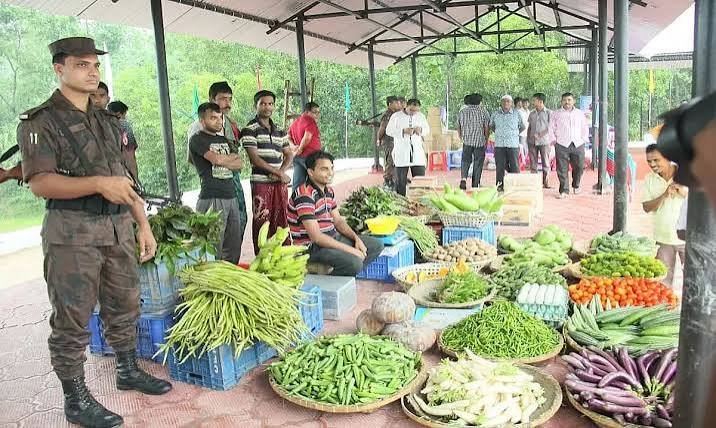
The Border Haat Reopening marks a significant development in cross-border economic cooperation as the Kamlasagar Border Haat has resumed full operations. The reopening aims to encourage localized micro-trade between Tripura and Bangladesh, providing renewed opportunities for small traders while strengthening economic and community ties along the international border.
CredBuddha Is Helping Indian Borrowers Compare Personal Loans Before They Apply
Border Haat Reopening Revives Kamlasagar Cross-Border Trade
The Reopening has restored full operations at the Kamlasagar Border Haat, allowing localized micro-trade to resume between India and Bangladesh. According to the available information, the market is once again functioning at full capacity following the reopening.
Border haats play an important role in facilitating limited cross-border trade between communities living near international boundaries. Moreover, they create opportunities for local vendors to exchange approved goods while supporting small-scale economic activities.
The reopening of the Kamlasagar Border Haat reflects continued efforts to strengthen economic cooperation between neighboring border communities. Therefore, local traders are expected to benefit from improved access to cross-border markets.
The resumption of operations also highlights the importance of border haats in promoting lawful and community-based trade.
Reopening Supports Local Traders and Small Businesses
The Reopening is expected to provide renewed business opportunities for local traders on both sides of the India-Bangladesh border. Small-scale vendors often depend on these markets to sell locally produced goods and generate income through regulated cross-border commerce.
Moreover, border haats encourage the exchange of products that are commonly used within nearby communities. This localized trading model supports livelihoods while strengthening economic interactions between neighboring regions.
The Kamlasagar Border Haat serves as an important platform for micro-trade by enabling approved commercial activities under established guidelines. Consequently, the reopening may contribute to increased economic participation among eligible traders.
According to the available information, the haat has resumed full operations with the objective of encouraging localized cross-border trade.
Reopening Strengthens India-Bangladesh Economic Cooperation
The Reopening also reflects broader efforts to promote cooperation between India and Bangladesh through community-level economic engagement. Border markets have long served as platforms for strengthening commercial relationships while encouraging people-to-people interaction.
Additionally, regulated cross-border trade helps improve access to local products and supports economic activity in border areas. Such initiatives can also contribute to stronger regional connectivity and mutually beneficial economic exchanges.
The reopening of the Kamlasagar Border Haat demonstrates continued support for localized trade under established bilateral arrangements. Therefore, the initiative aligns with efforts to enhance economic collaboration at the grassroots level.
Officials have not announced any additional changes beyond confirming the resumption of full operations.
Why the Border Haat Reopening Matters
The Reopening is significant because border markets contribute to the economic well-being of communities located near international boundaries. Small traders often rely on these platforms to conduct regulated commercial activities and strengthen local economies.
Moreover, functioning border haats promote legal trade while encouraging cooperation between neighboring communities. These markets also help preserve traditional trading relationships that have existed across border regions for many years.
The reopening of the Kamlasagar Border Haat may improve business opportunities for eligible vendors and support localized economic development. Similarly, strengthened cross-border engagement can contribute to closer community ties between India and Bangladesh.
As operations continue, the border haat is expected to remain an important center for regulated micro-trade and regional economic interaction.
Conclusion
The Border Haat Reopening represents an important milestone with the Kamlasagar Border Haat resuming full operations to encourage localized micro-trade between Tripura and Bangladesh. The initiative supports small traders while reinforcing lawful cross-border commerce between neighboring communities.
Furthermore, the reopening highlights the value of border haats in promoting regional economic cooperation and improving livelihood opportunities for eligible vendors. Such markets continue to play an important role in strengthening grassroots economic engagement.
Overall, the Reopening is expected to contribute to increased economic activity and stronger community connections across the India-Bangladesh border. As the market resumes normal operations, it is likely to remain an important platform for localized trade and regional cooperation.
FAQs
1. What is the Border Haat Reopening?
The Reopening refers to the resumption of full operations at the Kamlasagar Border Haat to encourage localized micro-trade between India and Bangladesh.
2. Where is the Border Haat Reopening taking place?
According to the available information, the reopening has taken place at the Kamlasagar Border Haat in Tripura.
3. What is the purpose of the Border Haat Reopening?
The reopening aims to encourage localized micro-trade and strengthen economic cooperation between border communities.
4. Who benefits from the Border Haat Reopening?
Local traders and small businesses on both sides of the India-Bangladesh border are expected to benefit from the resumption of regulated cross-border trade.
5. Has the Kamlasagar Border Haat resumed full operations?
Yes. Based on the available information, the Kamlasagar Border Haat has resumed full operations.