


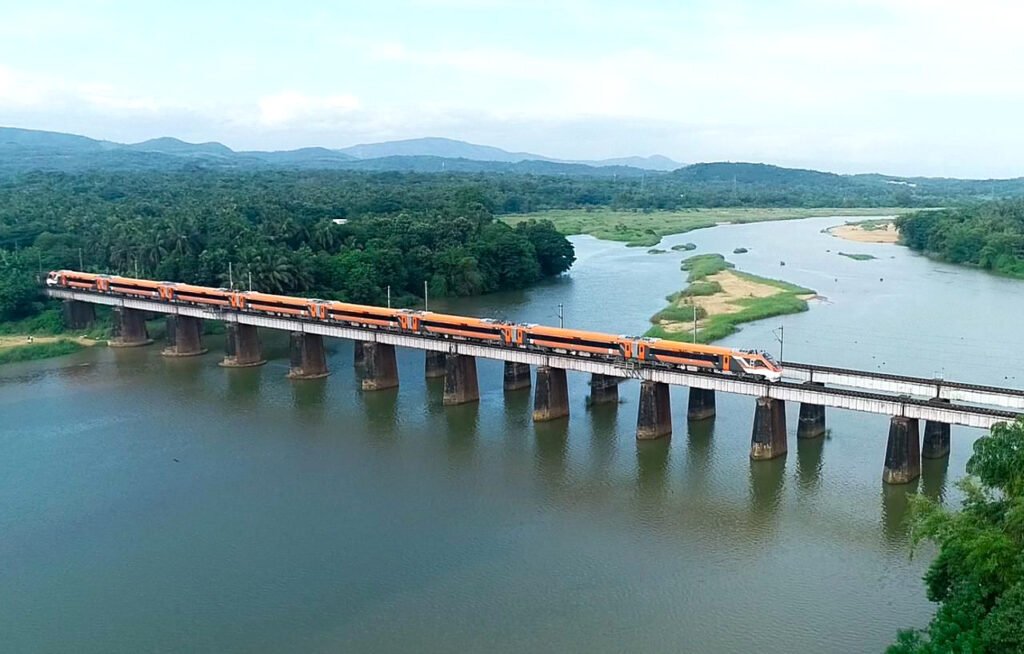
The Brahmaputra Water Level Monitoring process has been intensified as the Central Water Commission (CWC) activated round-the-clock surveillance of rising river levels. The move comes amid widespread monsoon rainfall across Northeast India, which has increased inflows into major river systems. Moreover, authorities are closely tracking water conditions to provide timely warnings and strengthen flood preparedness in vulnerable areas along the Brahmaputra basin.
Migging Landslide Injuries Leave Two Critically Hurt After Fatal Transit Accident
NH10 Traffic Disruption Affects Travel Between Siliguri and Gangtok
Brahmaputra Water Level Monitoring Enters 24-Hour Phase
The Brahmaputra Water Level Monitoring system has entered a continuous 24-hour surveillance phase following rising water levels in the river.
Moreover, the Central Water Commission has intensified monitoring efforts to ensure timely assessments and improve preparedness across vulnerable regions.
Central Water Commission Strengthens Surveillance
The Central Water Commission initiated strict monitoring mechanisms to track changes in river conditions. Consequently, officials are maintaining constant vigilance over hydrological data and water flow patterns.
Additionally, continuous monitoring allows authorities to respond quickly to changing conditions during the monsoon season.
Monsoon Rainfall Contributes to Rising Levels
The Brahmaputra Water Level Monitoring exercise comes amid active southwest monsoon conditions across Northeast India. Therefore, persistent rainfall has increased inflows into rivers and tributaries feeding the Brahmaputra.
Furthermore, seasonal precipitation often leads to significant fluctuations in water levels across major river systems.
Importance of Early Warning Systems
Continuous monitoring plays a crucial role in flood management and disaster preparedness. Consequently, authorities rely on updated data to issue alerts and coordinate response measures.
Moreover, early warning systems help communities prepare for possible flooding and reduce risks to life and property.
Vulnerable Areas Remain Under Watch
The Brahmaputra Water Level Monitoring process focuses particularly on districts and regions historically vulnerable to flooding. Therefore, officials are maintaining close observation of water trends and river behavior.
Additionally, regular assessments support better planning and emergency response capabilities.
Flood Preparedness Measures Gain Importance
As water levels rise, preparedness measures become increasingly important. Consequently, local administrations and disaster management agencies remain alert to any changes in river conditions.
Furthermore, coordinated efforts among different agencies can help mitigate the impact of flooding.
Technology Supports Monitoring Efforts
The Brahmaputra Water Level Monitoring framework utilizes hydrological data and observation systems to track developments. Therefore, authorities can access real-time information to support decision-making.
Moreover, technological advancements have strengthened forecasting capabilities and enhanced response mechanisms.
Communities Encouraged to Stay Informed
Officials continue to encourage residents living near riverbanks and flood-prone areas to remain updated through official advisories. Consequently, awareness and preparedness remain essential during periods of rising water levels.
Additionally, timely information can help communities take precautionary measures when necessary.
Monsoon Season Brings Increased Vigilance
The active monsoon season has prompted authorities to maintain heightened vigilance across the region. Therefore, river monitoring activities are expected to continue throughout the period of heavy rainfall.
Furthermore, effective water management plays a vital role in minimizing the impact of seasonal flooding.
Monitoring to Continue Across the Basin
The Brahmaputra Water Level Monitoring initiative is expected to remain active as rainfall persists across Northeast India. Meanwhile, the Central Water Commission and state authorities continue to coordinate efforts aimed at safeguarding vulnerable populations.
Moreover, sustained monitoring will be crucial in ensuring timely responses to changing hydrological conditions.
Conclusion
The Brahmaputra Water Level Monitoring initiative reflects the importance of proactive flood management during the monsoon season. With rising water levels observed across the river system, the Central Water Commission has implemented strict round-the-clock monitoring to enhance preparedness and provide timely information. Such measures are critical for protecting communities and reducing the risks associated with seasonal flooding.
Moreover, the Brahmaputra remains one of the most significant river systems in Northeast India, influencing the livelihoods and economic activities of millions of people. Effective monitoring and early warning mechanisms are therefore essential for minimizing disruptions and supporting disaster response efforts. Close coordination among agencies further strengthens the ability to address emerging challenges.
Furthermore, the Brahmaputra Water Level Monitoring process highlights the value of technology, preparedness, and public awareness in managing natural hazards. As the monsoon season progresses, continuous vigilance will remain necessary to ensure the safety of vulnerable communities and maintain resilience against changing weather conditions. Overall, the intensified monitoring efforts demonstrate the commitment of authorities to mitigating flood risks and safeguarding lives.
FAQs
Q1. What is Brahmaputra Water Level Monitoring?
Brahmaputra Water Level Monitoring refers to the continuous surveillance of river conditions conducted by the Central Water Commission.
Q2. Why has monitoring been intensified?
Monitoring has been strengthened because rising river levels have been recorded amid active monsoon conditions.
Q3. Which organization is overseeing the process?
The Central Water Commission (CWC) is responsible for the round-the-clock monitoring of the Brahmaputra.
Q4. Why are early warning systems important?
Early warning systems help authorities and communities prepare for potential flooding and reduce associated risks.
Q5. Why is Brahmaputra Water Level Monitoring significant?
The Water Level Monitoring initiative is significant because it enhances flood preparedness and supports timely responses during the monsoon season.