


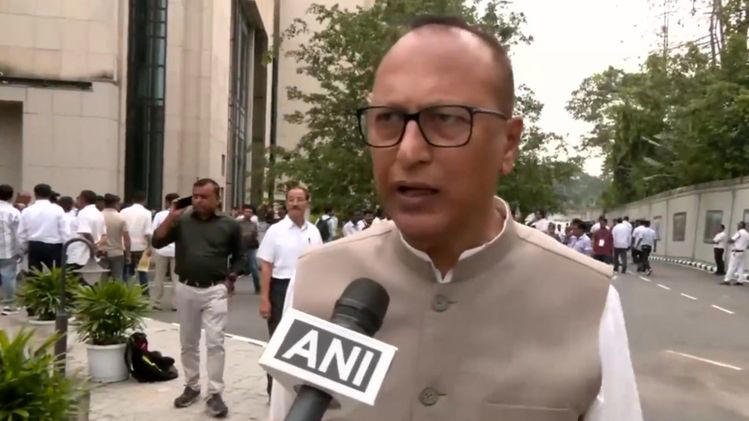
BJP MLA Pradyut Bordoloi has claimed that British colonial policies attempted to dilute Assamese identity before India’s independence and argued that historical developments during that period had long-term effects on the region’s social and cultural landscape.
Speaking on issues related to history, identity, and regional consciousness, the legislator stated that colonial-era administrative decisions influenced language, governance, and social structures in Assam. He argued that understanding historical developments remains important for preserving cultural identity and strengthening public awareness.
The remarks added to continuing discussions around Assam’s historical experience and the evolution of regional identity.
Read More: Arunachal Pradesh to Set Up State-Level Policy Think Tank: Pema Khandu
MLA Raises Historical Concerns About Colonial Policies
Pradyut Bordoloi stated that British administrative practices before independence affected the development of Assamese identity and altered existing social dynamics.
According to him, colonial governance often prioritised administrative objectives over local cultural considerations.
He argued that such approaches influenced linguistic and institutional systems and created long-term consequences for identity formation.
The MLA said historical examination remains necessary to understand how colonial policies shaped regional experiences.
He also stressed that discussions around identity should remain informed by historical context and documented developments.
According to the legislator, greater public understanding of history can contribute to stronger cultural awareness.
Debate Around Assamese Identity Continues
The remarks brought renewed attention to conversations surrounding Assamese identity and historical memory.
Identity-related discussions in Assam have often focused on language, cultural continuity, governance patterns, and historical transitions.
Observers note that public conversations around identity frequently revisit developments from the colonial period.
Supporters of this view argue that historical decisions influenced institutional structures and demographic patterns.
At the same time, historians often emphasise that identity formation involves multiple political, social, and economic factors across different periods.
The broader debate continues to remain part of public and academic discourse in Assam.
Colonial Governance and Regional Administration
During his remarks, the MLA referred to the role of colonial administration in shaping governance structures before independence.
He suggested that administrative choices during British rule affected local representation and cultural priorities.
According to him, historical analysis should examine how policies influenced social and institutional development.
The legislator argued that understanding the past can help strengthen policy discussions in the present.
He also highlighted the importance of examining historical records and regional experiences carefully.
Observers noted that colonial history continues to remain an important subject in discussions about governance and identity.
Preserving Language and Cultural Heritage
Pradyut Bordoloi emphasised the importance of preserving Assamese language and cultural traditions.
He stated that language remains closely connected to identity and public life.
According to the MLA, communities should continue efforts to protect and promote cultural heritage.
He also stressed the need to encourage awareness among younger generations about historical and cultural developments.
Officials and cultural observers frequently note that heritage preservation contributes to social continuity and public engagement.
The legislator argued that stronger awareness can support efforts to maintain regional identity.
Historical Awareness and Public Discussion
The MLA stated that historical understanding should remain part of broader public discourse.
According to him, people should engage with historical developments through informed discussion and academic examination.
He argued that historical narratives influence how communities understand identity and governance.
The remarks also highlighted the importance of studying historical transitions and their long-term effects.
Observers note that debates around historical interpretation often shape contemporary public conversations.
The legislator encouraged continued engagement with historical subjects through education and public awareness initiatives.
Identity and Regional Development
Pradyut Bordoloi linked historical awareness with broader questions of regional development and social confidence.
According to him, preserving identity and promoting development should move together.
He argued that cultural confidence can support stronger participation in public life and governance.
The legislator also stated that understanding regional history can strengthen social cohesion.
Observers often note that identity and development discussions increasingly intersect in public policy conversations.
The remarks reflected continuing interest in balancing historical awareness with future priorities.
Public Interest in Historical Narratives Remains Strong
Discussions around colonial history and regional identity continue to attract public attention in Assam.
Observers note that questions related to language, governance, and cultural preservation remain important topics across different sections of society.
The MLA’s remarks added to wider conversations on how historical developments continue to influence present-day perspectives.
At the same time, public discussion continues to include a range of historical interpretations and viewpoints.
Many observers emphasise the importance of relying on research, documented evidence, and scholarly engagement while examining historical subjects.
Focus on Cultural Continuity and Historical Reflection
The remarks by Pradyut Bordoloi highlighted ongoing conversations about the relationship between history and identity in Assam.
The MLA argued that examining colonial-era developments can contribute to a deeper understanding of regional experiences.
He also emphasised the importance of preserving language, strengthening cultural awareness, and encouraging informed public discussion.
Observers note that historical reflection continues to shape conversations about identity and governance across different regions.
As these discussions continue, attention is likely to remain focused on how historical experiences connect with present-day priorities and future aspirations.
The debate around Assamese identity and colonial history remains part of a broader effort to understand regional development, cultural continuity, and the evolving nature of public discourse in Assam.
Read More: Repolling In Bengal’s Falta Underway Amid High Security, TMC Candidate Pulls Out