


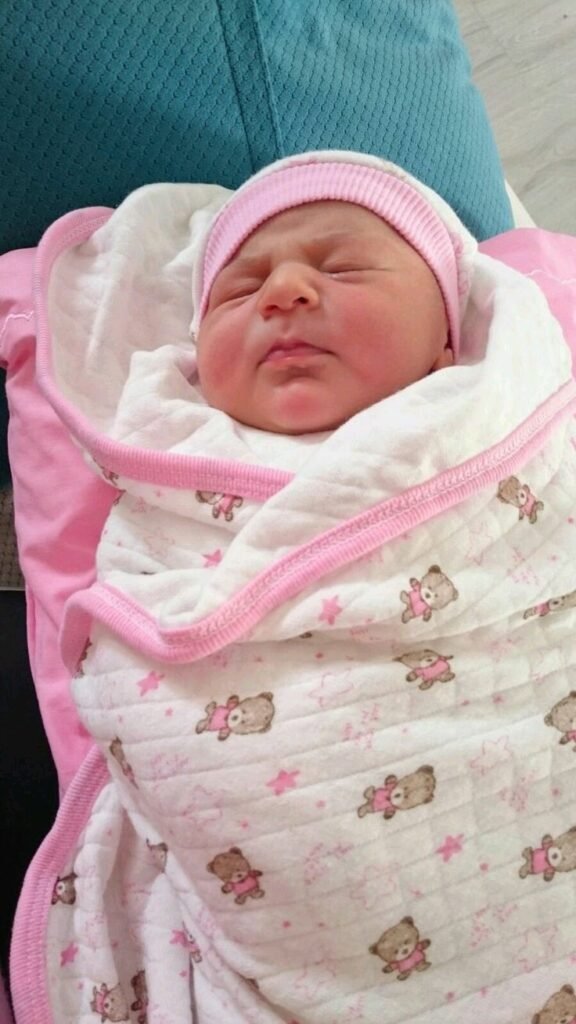
In the heart of Assam’s Barak Valley, the Cachar birth kits welfare drive has made headlines, as the local Department of Women & Child Development distributed essential care kits to newborn girls at S. M. Dev Civil Hospital, Silchar. This symbolic act, held on International Day of the Girl Child, underscores the government’s commitment to promoting early child care and addressing gender inequality from birth.
By placing “Cachar birth kits” front and center in the public discourse, the initiative aims not only to assist mothers immediately but also to influence societal attitudes toward the girl child.
The Initiative & Its Significance
What Are These Birth Kits?
The kits distributed typically include basic necessities: baby clothes, blankets, toiletries, hygiene products, and other newborn care items. Rather than a one-time gift, these kits intend to ease the initial financial burden on parents and promote newborn health.
Event Details & Key Figures
On October 13, 2025, five newborn girls received these kits under the Beti Bachao Beti Padhao (BBBP) umbrella, in a ceremony attended by Deepa Das (ACS & In-Charge District Social Welfare Officer), Dr. Arup Patwa (Superintendent of S. M. Dev Hospital), and members of the Sankalp Hub for Empowerment of Women (HEW). Officials used the occasion to engage with mothers, highlight health and welfare schemes, and reinforce the value of every girl child.
The move was widely covered by regional media under headlines like “Kits distributed among newborn girls in Cachar”.
Why Cachar and Why Now?
Addressing Gender Bias from Birth
Cachar’s action signals a shift from merely celebrating girls on special days to tangible support at birth. The aim: to reduce gender bias, encourage equal opportunities, and send a message that every girl’s life is valued.
Leveraging National Schemes
By aligning with Beti Bachao Beti Padhao, the initiative connects with a broader national push to improve child sex ratios and female welfare across India. The Cachar government also highlighted associated welfare efforts under Mission Shakti and related women’s empowerment programs.
Challenges & Considerations
Scale & Sustainability
Distributing kits to five newborn girls is symbolic, but scaling it across all births in Cachar (and beyond) will require sustained funding, logistics, and monitoring. Critics may question whether this remains a token gesture or transforms into a regular welfare measure.
Awareness & Utilization
Ensuring that mothers understand how to use kit contents (proper hygiene, newborn care) is critical. Without awareness, parts of kits might go unused. The local administration plans to pair distribution with educational outreach.
Integration with Health Infrastructure
Cachar has been strengthening maternal and newborn care — e.g., a rural hospital in Cachar added C-section services to better respond to obstetric emergencies. For the birth kit drive to succeed, hospital staff and local health workers must coordinate effectively.
Community & Expert Voices
Local officials, health workers, and community representatives greeted the initiative positively. Deepa Das emphasized that such programs promote the value of the girl child from the very start.
Activists argue that Cachar birth kits must evolve into a comprehensive newborn welfare framework, including nutrition, immunization, and follow-up support. As one local NGO noted: “This is a step forward, but continuity and scale are key.”
What Must Follow?
Scale Up Coverage & Funding
The district administration should plan to extend kits to all girl births in Cachar. State and central budgets should allocate recurring funds to sustain the program.
Monitoring & Feedback Loops
Implement a feedback system — surveys or field visits — to track whether recipients benefit from the kits, what gaps remain, and what adjustments are needed.
Link with Health & Education Services
Pair kit distribution with prenatal and postnatal counseling, immunization drives, and awareness programs about nutrition and sanitation. Hospitals like S. M. Dev and private clinics must participate.
Raise Public Support & Awareness
Encourage citizens, civil society organizations, and media to amplify the success stories and press for wider implementation. Local influencers, women’s groups, and schools can spread awareness—ensuring that Cachar birth kits become a household term for supporting girl children.
What This Means for Assam & Beyond
The Cachar birth kits initiative positions Cachar as a model district within Assam. If replicated in other districts, it could strengthen Assam’s maternal and child welfare metrics, support national goals under BBBP, and shift public norms around gender equality from birth.
Given Assam’s larger push in healthcare — such as expanding obstetric services in rural hospitals — Cachar’s step ties seamlessly into broader efforts.
READ MORE: Northeast India Wild Elephant Population Led by Assam