


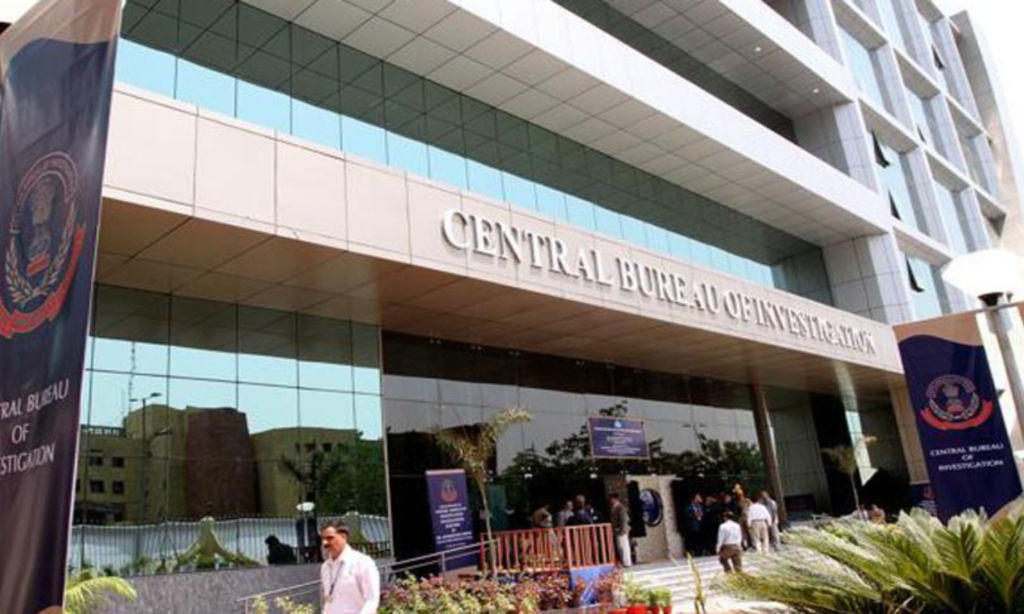
The Tripura chit fund verdict has delivered a significant legal outcome, with a Special CBI Court sentencing three senior executives of a Ponzi and chit fund company to six years of rigorous imprisonment. The ruling marks an important step in the fight against financial fraud and reinforces accountability for individuals involved in deceptive investment schemes. The judgment also highlights ongoing efforts by investigative agencies and courts to protect investors from fraudulent financial operations.
Tripura Rooftop Solar Scheme Targets 2 Lakh Homes by 2027
₹240 Crore Boost for Urban Infrastructure
Special CBI Court Delivers Major Judgment
A Special CBI Court in Tripura has sentenced three senior executives of a Ponzi and chit fund company to six years of rigorous imprisonment. The verdict comes after legal proceedings related to allegations of financial fraud and investor deception.
The ruling represents a major development in one of the cases linked to fraudulent investment schemes that affected numerous investors. Furthermore, the judgment demonstrates the judiciary’s commitment to ensuring accountability in financial crime cases.
Authorities have emphasized the importance of legal action against individuals who misuse public trust through illegal investment operations.
Understanding Chit Fund and Ponzi Fraud
Fraudulent chit fund and Ponzi schemes often promise unusually high returns to attract investors. Operators collect money from participants and use incoming funds to pay earlier investors instead of generating legitimate profits.
Eventually, these schemes collapse when new investments fail to sustain payouts. As a result, many investors lose substantial amounts of money.
Such financial frauds frequently target individuals seeking better returns on their savings. Therefore, regulatory agencies and law enforcement authorities continue monitoring suspicious investment activities to protect the public.
Importance of the Court’s Decision
The court’s decision sends a strong message regarding financial accountability. By imposing rigorous imprisonment on senior executives, the judiciary has reinforced the principle that financial misconduct carries serious legal consequences.
Additionally, the verdict may strengthen public confidence in the legal system’s ability to address economic crimes. Investors often seek assurance that authorities will take firm action against fraudulent practices.
Consequently, the ruling serves both as a punishment for wrongdoing and as a deterrent against similar offenses in the future.
Role of the CBI in Investigating Financial Crimes
The Central Bureau of Investigation plays a crucial role in examining complex financial fraud cases. Investigators gather evidence, analyze financial records, and identify individuals responsible for illegal activities.
In large-scale fraud cases, investigations often involve extensive documentation and multiple stakeholders. Therefore, thorough inquiry becomes essential to establish facts and support prosecution efforts.
The successful conclusion of the case highlights the importance of professional investigative work in securing justice for affected investors.
Impact on Investors
Financial fraud schemes can have devastating consequences for investors. Many victims invest their savings with the expectation of financial security and future growth.
When fraudulent schemes collapse, individuals and families may face significant economic hardship. Consequently, legal action against those responsible becomes important not only for accountability but also for restoring public confidence.
Although court judgments cannot always fully compensate losses, they reinforce the principle that fraudulent activities will face legal scrutiny and punishment.
Strengthening Financial Awareness
The case also underscores the importance of financial literacy and investor awareness. Individuals should carefully evaluate investment opportunities before committing their money.
Experts often recommend verifying the legitimacy of financial institutions, checking regulatory approvals, and remaining cautious about promises of unusually high returns.
Furthermore, public awareness campaigns can help citizens recognize warning signs associated with fraudulent investment schemes. Greater financial knowledge reduces vulnerability to scams and deceptive practices.
Legal Consequences for Economic Offenses
Economic crimes can cause widespread harm by affecting investors, markets, and public confidence. Therefore, legal systems impose strict penalties on individuals found guilty of serious financial misconduct.
Rigorous imprisonment reflects the severity of offenses involving fraud and deception. Additionally, such penalties demonstrate the government’s commitment to maintaining transparency and integrity within financial systems.
The verdict highlights the broader effort to ensure that economic crimes receive appropriate legal attention and enforcement.
Protecting Public Trust in Financial Systems
Trust remains a fundamental component of any financial system. Investors must feel confident that financial institutions and investment opportunities operate within legal and ethical frameworks.
Cases involving fraud can undermine that confidence and discourage legitimate investment activities. Consequently, strong regulatory oversight and effective law enforcement become essential.
The court’s ruling contributes to efforts aimed at preserving trust by holding accountable those who engage in deceptive financial practices.
Continued Vigilance Against Fraudulent Schemes
Authorities continue urging citizens to remain cautious when evaluating investment opportunities. Fraudulent schemes often rely on persuasive marketing, unrealistic promises, and aggressive recruitment strategies.
Therefore, investors should conduct proper research and seek professional advice when necessary. Regulatory bodies also encourage individuals to report suspicious activities to relevant authorities.
Ongoing vigilance from both institutions and the public can help reduce the risk of future financial fraud cases.
Significance of the Verdict
The sentencing of three senior executives represents a notable milestone in the legal response to financial fraud. The decision demonstrates that courts remain committed to addressing complex economic crimes through due legal process.
Moreover, the verdict reinforces the principle that individuals in leadership positions bear responsibility for actions carried out under their management.
As authorities continue tackling financial misconduct, such judgments contribute to stronger enforcement and greater public confidence in the justice system.
Conclusion
The Special CBI Court’s decision to sentence three senior executives of a Ponzi and chit fund company to six years of rigorous imprisonment marks an important development in the fight against financial fraud. The ruling emphasizes accountability, investor protection, and the importance of maintaining trust in financial systems.
As legal institutions continue addressing economic crimes, the verdict serves as a reminder that fraudulent investment activities carry serious consequences. The judgment also strengthens efforts to safeguard investors and promote transparency in financial practices.
FAQs
What was the outcome of the Tripura chit fund case?
A Special CBI Court sentenced three senior executives of a Ponzi and chit fund company to six years of rigorous imprisonment.
Why is the verdict significant?
The judgment reinforces accountability for financial fraud and strengthens investor confidence in the legal system.
What is a Ponzi scheme?
A Ponzi scheme is a fraudulent investment operation that uses money from new investors to pay returns to earlier investors instead of generating legitimate profits.
Which agency investigated the case?
The Central Bureau of Investigation (CBI) handled the investigation related to the fraud case.
How can investors protect themselves from such schemes?
Investors should verify regulatory approvals, research investment opportunities carefully, and avoid schemes promising unrealistic returns.