


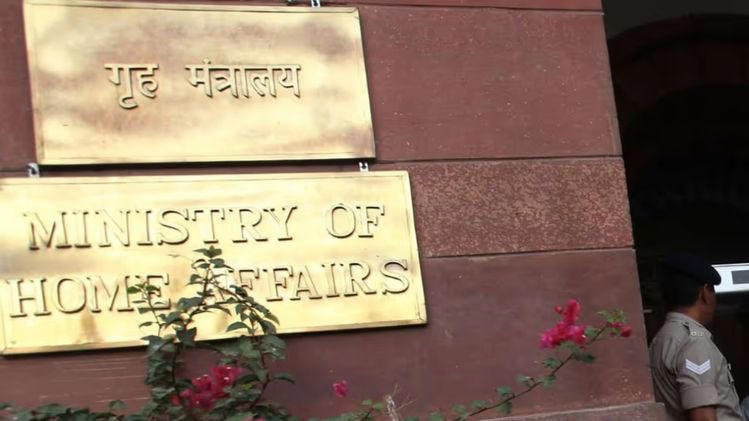
The Centre has resumed discussions with Kuki-Zo groups in New Delhi under the framework of the Suspension of Operations (SoO) agreement. The talks come after a gap of nearly two months and take place amid renewed tensions in Manipur.
Officials described the meeting as an important step toward restoring peace and stability in the region. Representatives of Kuki-Zo groups participated in the dialogue, while central government officials led the discussions.
The resumption of SoO talks Kuki-Zo groups signals a renewed effort by the Centre to engage with stakeholders and address ongoing concerns. At the same time, authorities aim to reduce tensions and prevent further escalation.
Read More: Nagaland Conducts Mega Mock Drill on Earthquake Preparedness
Background of the Suspension of Operations Agreement
The Suspension of Operations agreement is a key framework that governs relations between the government and several armed groups in Manipur. It allows designated groups to suspend armed activities while engaging in dialogue with authorities.
This agreement has played a significant role in maintaining relative peace over the years. However, recent developments in Manipur have raised concerns about its effectiveness. Therefore, the Centre decided to restart discussions to strengthen the framework.
Kuki-Zo groups have been part of the SoO arrangement for years. They have participated in negotiations aimed at addressing political, administrative, and security-related issues. Consequently, these talks remain crucial for long-term stability.
Renewed Tensions in Manipur
The talks come at a time when Manipur is witnessing fresh tensions. Incidents of unrest have raised concerns among residents and authorities alike.
Security forces have increased their presence in sensitive areas to maintain order. In addition, the administration has taken steps to prevent the situation from escalating further.
These tensions highlight the importance of continued dialogue. Without sustained engagement, unresolved issues could lead to instability. Therefore, the Centre has prioritized restarting talks with Kuki-Zo groups.
Focus Areas of the Current Talks
During the discussions in New Delhi, both sides are expected to address several key issues. These include demands related to governance, security arrangements, and development initiatives.
Kuki-Zo representatives are likely to present their concerns regarding political representation and administrative autonomy. At the same time, the Centre aims to ensure that any solutions align with national interests.
Officials have emphasized the need for constructive dialogue. They believe that open communication can help bridge differences and build trust.
Moreover, the talks will also review the implementation of existing agreements. This includes assessing compliance with the SoO framework and identifying areas for improvement.
Government’s Approach to Peace Building
The Centre has adopted a multi-pronged approach to address the situation in Manipur. Along with security measures, it continues to prioritize dialogue and negotiation.
By resuming SoO talks Kuki-Zo groups, the government aims to create a platform for peaceful resolution. This approach reflects a commitment to inclusive governance and conflict resolution.
Officials have also stressed the importance of cooperation from all stakeholders. They believe that lasting peace can only be achieved through collective efforts.
Furthermore, the government is working to strengthen development initiatives in the region. Improved infrastructure and economic opportunities can help address some of the underlying causes of unrest.
Role of Stakeholders in the Dialogue
The success of the talks depends on the active participation of all stakeholders. Kuki-Zo groups play a crucial role in representing the interests of their communities.
At the same time, government officials must ensure that the dialogue remains transparent and productive. Building trust between both sides is essential for meaningful progress.
Civil society organizations and local leaders also have an important role. They can help facilitate communication and promote understanding among different groups.
Moreover, the involvement of security agencies ensures that the process remains stable and secure. Their presence helps maintain order while discussions take place.
Expectations From the Talks
The resumption of talks has raised expectations among residents of Manipur. People hope that the dialogue will lead to concrete solutions and reduce tensions.
Observers believe that the discussions could pave the way for renewed agreements and confidence-building measures. However, they also note that complex issues require time and patience.
Therefore, the current round of talks should be seen as part of a broader process. Continuous engagement will be necessary to achieve lasting peace.
At the same time, authorities must manage expectations carefully. While progress is possible, immediate results may not be realistic.
Broader Implications for the Region
The outcome of the SoO talks Kuki-Zo groups could have significant implications for Manipur and the wider Northeast region. Successful dialogue can strengthen stability and promote development.
On the other hand, failure to address concerns could prolong tensions. Therefore, both sides must approach the talks with sincerity and flexibility.
The Centre’s decision to resume discussions demonstrates its commitment to resolving conflicts through dialogue. This approach aligns with broader efforts to promote peace in the Northeast.
Moreover, the talks highlight the importance of addressing regional issues through inclusive and participatory processes. Such efforts can help build a more stable and prosperous future.
Conclusion
The resumption of SoO talks between the Centre and Kuki-Zo groups marks a crucial step amid fresh tensions in Manipur. The dialogue reflects a renewed commitment to peace and stability.
By focusing on constructive engagement, the government aims to address concerns and build trust among stakeholders. At the same time, the participation of Kuki-Zo groups ensures that community voices are heard.
As the talks progress, their success will depend on cooperation, patience, and a willingness to find common ground. If managed effectively, the discussions could pave the way for long-term peace in Manipur and the Northeast.
Read More: Assam Tightens Security Ahead of Vote Counting, CS Ravi Kota Warns of Zero Tolerance