


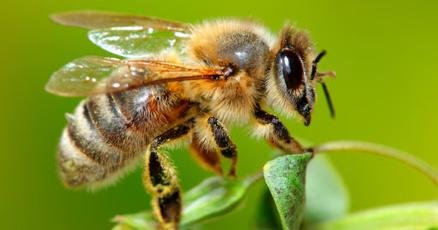
Guwahati: Climate change driven dry spells and prolonged absence of rainfall are emerging as possible triggers behind a sudden surge in mass attacks by giant honey bees across Assam, raising fresh public health concerns.
Healthcare workers at Demow Rural Hospital in Sivasagar district report an alarming rise in severe bee envenomation cases between February 7 and 15, with at least 10 critically affected patients treated successfully during this short span.
“Maybe it is the prolonged dry weather. There has been no rain for the last four to five months,” said Dr. Surajit Giri, Snakebite Social Activist and researcher with the Indian Council of Medical Research (ICMR) Zero Snakebite Death Projectl ll 5í.
He linked the unusual aggression in bee behavior to shifting environmental conditions, suggesting that climate stress may be disturbing hive stability and increasing human–bee conflicts.
Doctors warn that giant honey bee attacks can lead to instant death due to severe allergic shock or organ failure. In the United States, more than 100 deaths are reported annually from bee attacks. Although Assam lacks consolidated data, unofficial estimates indicate that 15–20 fatalities occur every year in the state, many of them preventable with timely intervention.
Two recent incidents underscore the danger. On February 8, Ranoj Bora of Bonowabari village was attacked by an estimated 200–300 bees after disturbing a hive. He developed vomiting and severe systemic symptoms but survived after intensive treatment. In another case at Garhbhanga village, utensil vendor Jibabul Haque was attacked by nearly 500–600 bees and narrowly escaped death due to rapid medical response.
Medical experts caution that symptoms such as persistent vomiting, diarrhea, breathing difficulty, or reduced urine output within 48–72 hours require urgent hospitalisation.
Doctors have now developed a structured emergency protocol to manage mass bee envenomation cases.
As Assam experiences erratic weather patterns and extended dry periods, healthcare professionals warn that such incidents may rise further.
Public awareness, early medical care, and environmental monitoring remain crucial to preventing avoidable deaths in the face of a changing climate.