


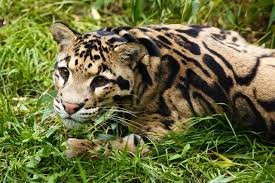
Tripura’s famed Sepahijala Wildlife Sanctuary has been struck by tragedy after the death of a clouded leopard, one of the rarest and most elusive wild cats in India.
The leopard reportedly succumbed to anemia, despite continuous treatment from the veterinary team.
Officials confirmed that the animal had shown signs of weakness and loss of appetite for several days before its death.
This incident has raised serious concerns over the health monitoring and management of endangered species in the sanctuary.
Treatment Couldn’t Save the Rare Cat
According to sources in the Tripura Forest Department, the leopard was under observation for nearly a week.
Veterinarians at the Sepahijala Zoological Park initiated treatment after initial blood tests revealed severe anemia.
Despite efforts that included dietary supplements, vitamin injections, and round-the-clock care, the leopard’s condition deteriorated. Also, it eventually succumbed late on Monday night, leaving the forest staff and caretakers devastated.
Officials added that the body was sent for a post-mortem examination to determine the exact cause of anemia. Although, whether any underlying infection or nutritional deficiency was involved.
Authorities Order Probe and Strengthened Monitoring
Tripura’s Principal Chief Conservator of Forests (Wildlife) has directed a detailed investigation into the incident. Moreover, a committee of veterinary experts has been formed to identify the factors contributing to the leopard’s declining health.
Forest Minister Ratan Lal Nath expressed grief over the incident and assured that the government will strengthen medical monitoring for all animals housed in the sanctuary.
He emphasized the need for preventive health care, improved nutrition, and habitat enrichment for captive and semi-captive wildlife.
“We will ensure that such tragic losses do not happen again,” he said. “The Sepahijala team has been instructed to conduct periodic health audits of all major carnivores.”
The Importance of the Clouded Leopard
The clouded leopard (Neofelis nebulosa) is classified as Vulnerable by the International Union for Conservation of Nature (IUCN). Also, it is native to the forests of Northeast India, Southeast Asia, and parts of China.
Known for its stunning patterned coat and elusive nature, the species is often called the “ghost of the forest.”
Sepahijala Wildlife Sanctuary, located about 25 km from Agartala, is one of the few sanctuaries in India where the clouded leopard has been successfully bred in captivity.
The sanctuary serves as a crucial center for conservation, education, and eco-tourism, attracting thousands of visitors each year.
Wildlife Conservation Under Spotlight
This death has once again brought the spotlight on the challenges faced by captive wildlife management in India’s northeastern states.
Experts say that while sanctuaries like Sepahijala play a vital role in species protection, limited veterinary infrastructure and climatic stress often affect the health of sensitive species.
Conservationists have urged the Tripura government to increase funding for wildlife health programs and research on species-specific diseases. Further, they also emphasized the need for collaboration with veterinary institutes and wildlife NGOs for advanced diagnostic support.
A senior forest official noted, “We must invest more in preventive care, regular blood profiling, and nutritional improvements for every animal under our care.”
Call for Stronger Wildlife Policy in Tripura
Environmentalists in Tripura are now calling for a comprehensive wildlife management policy focusing on habitat enrichment, better staff training, and disease surveillance.
Also, they argue that the death of a vulnerable species like the clouded leopard is a reminder of the fragile balance between conservation and captivity.
The Sepahijala Wildlife Sanctuary, spread across over 18 square kilometers, houses several endangered species including spectacled monkeys, barking deer, and migratory birds.
Its significance in the region’s biodiversity makes it imperative for authorities to ensure top-tier care standards.
Local residents who frequently visit the sanctuary expressed sadness over the news, urging immediate action to protect the remaining clouded leopards.
“Such incidents should not be repeated. These animals are part of our pride,” said a resident from Bishalgarh.
A Wake-Up Call for Wildlife Health Monitoring
As the investigation continues, forest officials are expected to release a detailed report in the coming weeks. Although, the state government has assured that corrective measures will be implemented once the findings are reviewed.
For now, the loss of the clouded leopard serves as a wake-up call for Tripura’s wildlife authorities.
It highlights the urgent need for scientific health management and modern veterinary support in sanctuaries housing endangered species.