


Introduction
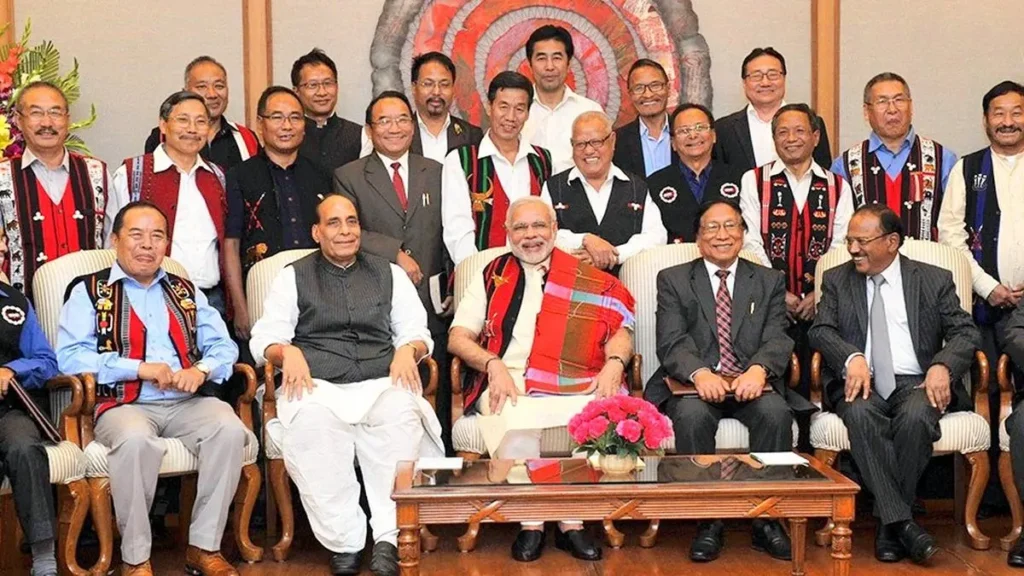
The Nagaland community peace committees initiative has gained momentum as the state launched local peace committees to strengthen inter-tribal dialogue and address border-related disputes. The new committees bring together community leaders, local administrations, and law enforcement agencies to encourage communication and resolve issues through peaceful consultation. Authorities stated that the initiative aims to build trust among communities while preventing conflicts from escalating. Meanwhile, officials continue coordinating with stakeholders to ensure the committees function effectively across the affected areas.
Naga Kuki Relations Strain Continues
Nagpur University Students Discover Prehistoric Rock Art Heritage Site in Madhya Pradesh
State Launches Local Peace Committees
The Nagaland community peace committees initiative began with the formation of local committees in districts where inter-tribal dialogue and border coordination remain important. Consequently, district administrations invited representatives from various communities to participate in regular discussions. The committees will identify local concerns and recommend peaceful solutions through mutual consultation.
Meanwhile, officials encouraged community members to cooperate with the initiative and resolve disagreements through dialogue. They also emphasized that inclusive participation will strengthen public confidence in the process. Furthermore, administrators scheduled periodic meetings to review progress and address emerging issues.
Authorities stated that the committees will complement existing administrative and legal mechanisms.
Dialogue Becomes the Primary Focus
The Nagaland community peace committees initiative places constructive communication at the center of conflict prevention. Community representatives, local leaders, and officials continue discussing shared concerns while working toward practical solutions. At the same time, district administrations coordinate with law enforcement agencies to maintain peace during sensitive situations.
Furthermore, authorities have encouraged residents to report local disputes through official channels instead of allowing tensions to escalate. Officials also continue promoting mutual understanding and cooperation among neighboring communities.
Regular engagement remains essential for strengthening trust and preventing misunderstandings.
Border Issues Receive Greater Attention
The Nagaland community peace committees initiative also supports efforts to manage local border disputes through dialogue and consensus-building. Administrators continue consulting affected communities while reviewing long-standing issues within the existing legal and administrative framework. In addition, officials encourage all parties to respect lawful procedures during discussions.
Meanwhile, peace committees remain focused on reducing tensions and promoting cooperation at the grassroots level. Authorities believe that early communication can prevent small disagreements from developing into larger conflicts.
Officials emphasized that peaceful engagement benefits both local communities and regional stability.
Cooperative Governance Strengthens Stability
The Nagaland community peace committees initiative highlights the importance of community participation in maintaining peace and social harmony. Therefore, the government continues strengthening coordination among local administrations, community organizations, and law enforcement agencies.
Moreover, officials remain committed to encouraging dialogue, resolving disputes through lawful means, and fostering lasting cooperation among different communities. Continued participation by residents and local leaders will remain essential for supporting long-term peace and effective border management.
Conclusion
The Nagaland community peace committees initiative represents an important step toward improving inter-tribal dialogue and addressing local border disputes through peaceful engagement. By bringing together community representatives, government officials, and law enforcement agencies, the state aims to strengthen trust and reduce tensions. Meanwhile, sustained cooperation, regular dialogue, and community participation will remain vital for maintaining peace and promoting stability across Nagaland.
FAQs
1. Why has Nagaland formed local peace committees?
The committees aim to strengthen dialogue and peacefully address inter-community and border-related issues.
2. Who participates in the peace committees?
Community leaders, district officials, and law enforcement representatives take part in the discussions.
3. What are the Nagaland community peace committees?
The Nagaland community peace committees are local bodies established to promote inter-tribal dialogue and help manage border disputes through peaceful consultation.
4. How will the committees resolve disputes?
They will encourage communication, mediation, and coordination within the existing legal framework.
5. What role do district administrations play?
They organize meetings, coordinate stakeholders, and monitor the committees’ progress.
6. Why is community participation important?
Public involvement helps build trust, improve communication, and support long-term peace.