


Opposition Rises Against VB-G RAM-G Bill
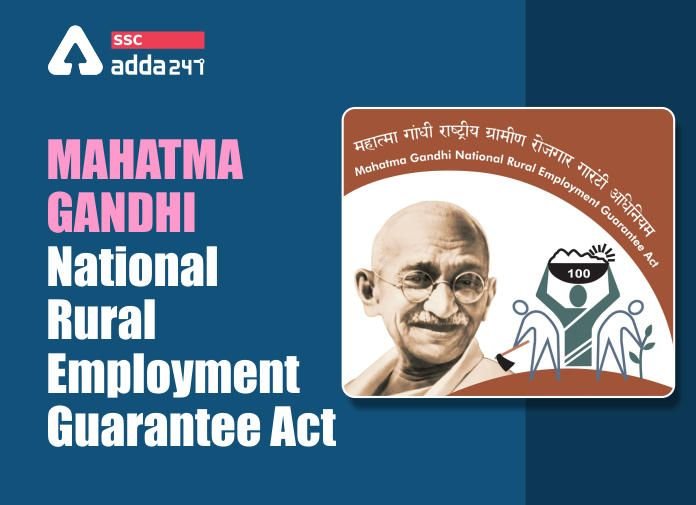
The Congress party has announced a statewide protest across Tripura on December 21, 2025, against the controversial VB-G RAM-G Bill. This legislation, introduced by the central government, seeks to replace the Mahatma Gandhi National Rural Employment Guarantee Act (MGNREGA) with a new framework under the Viksit Bharat 2047 vision.
The announcement has sparked intense debate, as opposition leaders argue that the bill undermines rural livelihoods and erases Mahatma Gandhi’s legacy. Consequently, the Congress protest VB-G RAM-G bill Tripura campaign has become a rallying point for workers, unions, and Left allies.
What is the VB-G RAM-G Bill?
The VB-G RAM-G Bill (Viksit Bharat Guarantee for Rozgar and Ajeevika Mission – Gramin) passed in the Lok Sabha earlier this year. It restructures rural employment schemes by shifting more responsibility to states and aligning job creation with long-term development goals.
However, critics argue that:
- It removes Gandhi’s name from the scheme, weakening symbolic value.
- It reduces guaranteed employment security for rural households.
- It increases financial burden on states already struggling with resources.
- Lawmakers pushed it through without adequate consultation.
For more details on rural employment schemes, readers can explore India’s Ministry of Rural Development.
Congress Protest VB-G RAM-G Bill Tripura – December 21
Statewide Demonstrations Planned
Congress leaders announced protests in district headquarters, rural blocks, and urban centers. As a result, the demonstrations will cover every corner of Tripura.
Workers and Farmers Join the Movement
Unions such as the Tripura Khet Mazdur Union and Krisha Sabha have pledged support. As a result, the protests are expected to draw large crowds of farmers, daily wage laborers, and rural workers who rely heavily on MGNREGA for survival.
Political and Social Implications
The Congress protest VB-G RAM-G bill Tripura campaign carries significant implications:
- Political Messaging: Congress is positioning itself as the defender of rural livelihoods, challenging the BJP-led government’s reforms.
- Social Impact: MGNREGA has long been a lifeline for rural households. Replacing it could disrupt livelihoods, especially in states like Tripura with high rural dependency.
- Symbolic Impact: Removing Gandhi’s name is seen as erasing historical legacy, adding emotional weight to the opposition’s campaign.
Comparison – MGNREGA vs VB-G RAM-G Bill
| Aspect | MGNREGA (Existing) | VB-G RAM-G Bill (Proposed) |
|---|---|---|
| Introduced | 2005 | 2025 |
| Guarantee | 100 days of wage employment per rural household | New framework under “Viksit Bharat 2047” vision |
| Symbolism | Named after Mahatma Gandhi | Gandhi’s name removed |
| Funding | Shared between Centre & States | Higher burden on states |
| Opposition’s View | Lifeline for rural poor | Threat to livelihoods, politically motivated |
Support Rural Voices
The Congress protest VB-G RAM-G bill Tripura movement is not just about politics; it is about safeguarding rural livelihoods. Citizens are urged to:
Stay informed by following Tripura Government’s official portal.
Participate in community discussions to ensure rural voices are heard.
READ MORE: Tripura Crime Rate Decline Till Nov 2025: CM Manik Saha
The Congress protest VB-G RAM-G bill Tripura on December 21, 2025, is set to be a defining moment in the state’s political landscape. By challenging the government’s attempt to replace MGNREGA, the opposition is highlighting concerns over rural employment, financial burdens, and historical legacy.
As Tripura braces for widespread demonstrations, the debate over the VB-G RAM-G Bill underscores a larger question: how should India balance development goals with the immediate needs of its rural poor?