


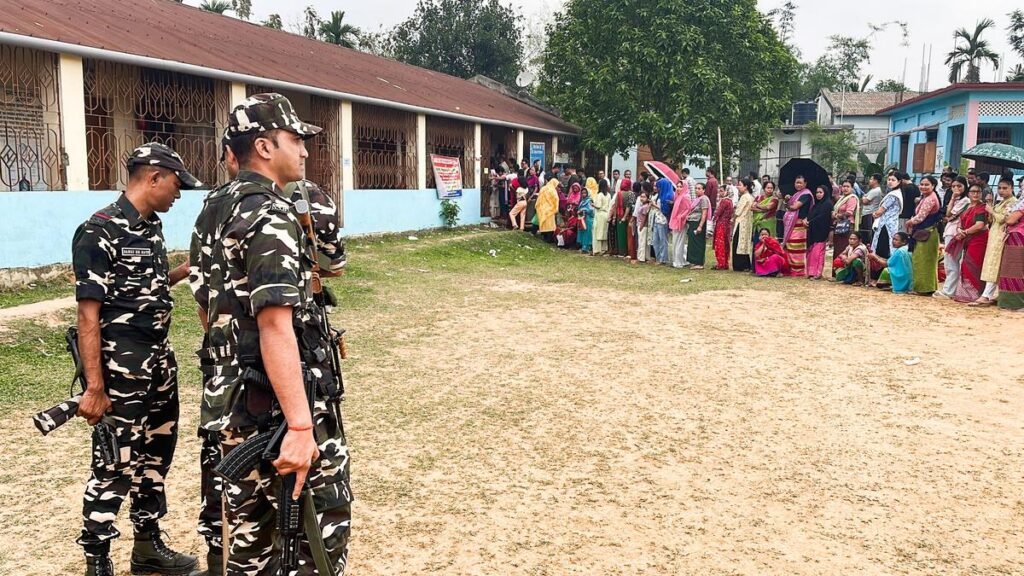
The CPI(M) Tripura Village Poll Challenge is gaining momentum as the Left party prepares to take on the BJP-led alliance in the 2026 TTAADC Village Committee elections. The BJP, TIPRA Motha and IPFT have moved toward a coordinated electoral strategy, while the CPI(M) and other opposition parties are seeking to challenge the alliance at the grassroots level.
PM Modi Likely to Visit Canada in December for Trade Deal: Carney
CPI(M) Tripura Village Poll Challenge Takes Shape
The CPI(M) Tripura Village Poll Challenge has become a prominent feature of the campaign as the Left Front seeks to rebuild its presence across tribal areas. The party has criticised the ruling alliance and raised concerns about the nomination process.
Recent reporting said the Left Front accused the BJP and TIPRA Motha of obstructing CPI(M) and other opposition candidates during nominations in West Tripura district. The allegations have added tension to the local election.
Meanwhile, the BJP, TIPRA Motha and IPFT have been working toward a joint contest. Tripura Chief Minister Manik Saha has confirmed that the BJP will fight the Village Committee elections with its alliance partners.
Therefore, the election is developing into a contest between an alliance-backed ruling bloc and opposition parties seeking greater grassroots influence.
However, the CPI(M)’s position differs from its historic dominance of Tripura’s tribal local institutions. The party failed to win a seat in the 2026 TTAADC general election. TIPRA Motha secured 24 of the 28 elected seats.
Left Front Targets Grassroots Political Space
The CPI(M) Tripura Village Poll Challenge follows a difficult electoral phase for the Left party in the autonomous council’s tribal constituencies. Nevertheless, Village Committee elections create a different political environment. Candidates compete much closer to individual communities.
Local networks, personal influence and community issues can play an important role alongside party affiliations. Moreover, village committees handle issues that directly affect residents. Candidates can therefore focus their campaigns on everyday concerns.
The CPI(M) and its Left Front partners are attempting to use these local dynamics to regain political space. Their campaign will depend heavily on their ability to connect with voters at the village level.
At the same time, the BJP, TIPRA Motha and IPFT alliance provides the ruling side with a broader organisational structure. TIPRA Motha’s strong performance in the 2026 TTAADC election also gives it considerable political weight in tribal areas.
Yet the BJP’s candidate distribution adds another dimension to the contest. Recent reporting found that the BJP did not field candidates in more than 57% of the available Village Committee seats.
Consequently, the final contest will depend on more than the alliance’s combined strength. The organisational performance of each partner will also matter.
Village Polls Test BJP TIPRA Motha Alliance
The CPI(M) Tripura Village Poll Challenge also puts pressure on the BJP-TIPRA Motha-IPFT arrangement. The three parties must coordinate candidate selection and campaigning while maintaining their individual political identities.
TIPRA Motha has reportedly submitted the highest number of nominations among the alliance partners. The participation reflects the party’s strong grassroots organisation in tribal areas.
Meanwhile, the BJP has taken a more selective approach in many Village Committee seats. Therefore, the alliance’s performance will depend partly on how effectively its partners divide responsibilities.
IPFT also remains part of the broader alliance structure. Although its organisational footprint is smaller than that of the BJP and TIPRA Motha, its participation could matter in specific local areas.
Furthermore, the elections come as the central government and TIPRA Motha continue discussions on implementing the 2024 tripartite agreement. An MHA delegation is scheduled to engage with Tripura stakeholders on progress under the agreement.
The combination of alliance politics, indigenous-rights issues and local governance could shape campaign narratives.
For the CPI(M), the challenge is to convert opposition to the ruling bloc into electoral support. The party will need to maintain an effective grassroots campaign throughout the election period.
CPI(M) Seeks Opposition Comeback in Tripura
The CPI(M) Tripura Village Poll Challenge could give the Left party an opportunity to demonstrate its organisational strength in Tripura. This comes despite its recent electoral setbacks.
The CPI(M) dominated Tripura politics for decades. However, the BJP’s rise and TIPRA Motha’s emergence have significantly changed the state’s political landscape.
Moreover, TIPRA Motha’s victories in the TTAADC elections have reshaped the tribal political contest. The party won 24 of the 28 elected seats in the 2026 council election. The BJP won four seats, while the CPI(M) won none.
Therefore, the Village Committee elections represent a different but important test for the opposition.
The CPI(M) will need to demonstrate organisational reach at the village level. This will be particularly important in areas where the party has faced declining influence.
Meanwhile, the BJP-TIPRA Motha-IPFT alliance will seek to use its combined political resources to influence local institutions.
However, individual contests will also shape the eventual outcome. Candidate popularity, local issues, turnout and alliance coordination could all affect the results.
The election could consequently offer an indication of how effectively the ruling alliance operates at the grassroots level. It could also show whether the CPI(M) can begin rebuilding its presence in tribal Tripura.
Conclusion
The CPI(M) Tripura Village Poll Challenge has emerged as a significant feature of the 2026 TTAADC Village Committee elections. The BJP, TIPRA Motha and IPFT are coordinating their campaign, while the CPI(M) and Left Front seek to regain grassroots political space.
FAQs
1. What is the CPI(M) Tripura Village Poll Challenge?
The CPI(M) Tripura Village Poll Challenge refers to the Left party’s effort to challenge the BJP-TIPRA Motha-IPFT alliance in the 2026 TTAADC Village Committee elections.
2. Who are the parties in the ruling alliance?
The BJP, TIPRA Motha and IPFT are working together for the Village Committee elections.
3. How did CPI(M) perform in the 2026 TTAADC election?
The CPI(M) did not win an elected seat in the 2026 TTAADC general election, while TIPRA Motha won 24 of the 28 elected seats.
4. Why are the Village Committee elections important for CPI(M)?
They give the party an opportunity to test and potentially rebuild its grassroots organisation in tribal areas.
5. Could the election affect Tripura’s wider political landscape?
Yes. The results could indicate the relative grassroots strength of the BJP-led alliance, TIPRA Motha and opposition parties ahead of future political contests.