


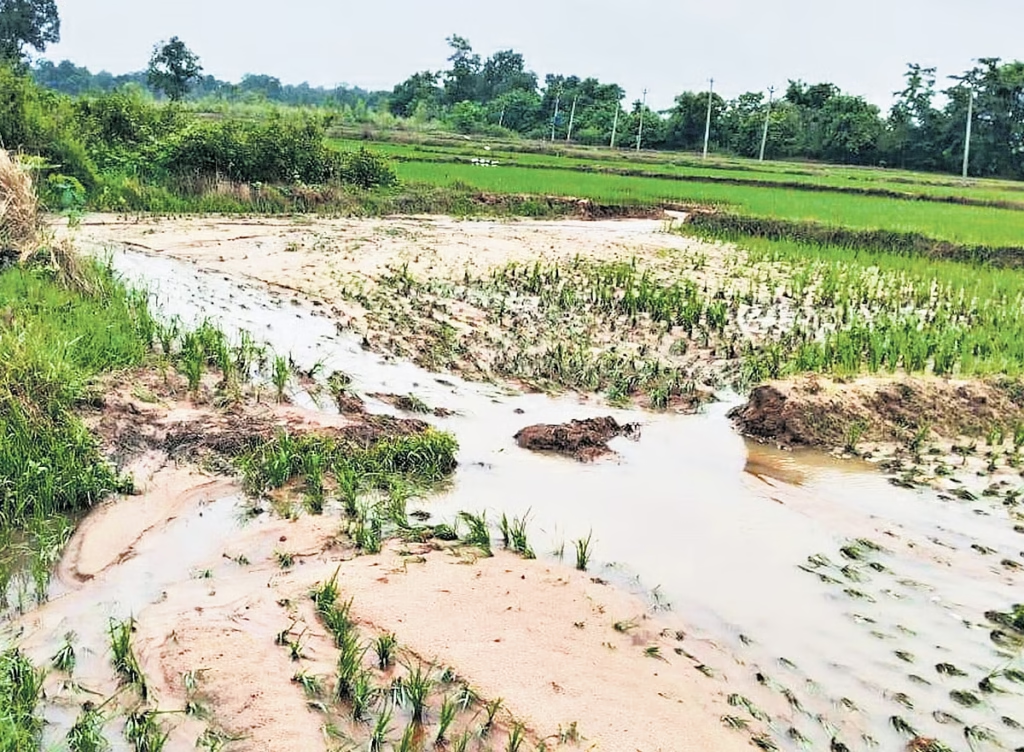
The early paddy crop submergence has raised fresh concerns for farmers after continuous monsoon rainfall inundated hundreds of hectares of agricultural land across low-lying areas. Agriculture departments reported widespread waterlogging in early paddy fields as overflowing rivers and poor drainage affected cultivation. Officials have started assessing crop losses while monitoring flood conditions across vulnerable farming regions. Meanwhile, state authorities continue coordinating with local administrations to evaluate the extent of damage and plan appropriate support measures for affected farmers
Meghalaya Honeymoon Murder Verdict Upholds Bail
Sikkim Launches India’s First Himalayan Specialty Coffee Impact District in North Sikkim
Floodwaters Inundate Early Paddy Fields
The early paddy crop submergence followed persistent rainfall that caused rivers to overflow and flood large stretches of farmland. Consequently, hundreds of hectares of early paddy cultivation now remain under water in several low-lying areas. Farmers reported extensive waterlogging as standing crops remained submerged for prolonged periods.
Meanwhile, agriculture officials visited affected villages to inspect fields and collect preliminary damage reports. They also recorded the condition of crops and assessed the impact on the current cultivation season. Furthermore, technical teams continued surveying vulnerable agricultural zones to estimate the overall extent of losses.
Although floodwaters have not affected every farming area, authorities remain concerned because additional rainfall could worsen conditions and prolong crop exposure.
Agriculture Department Begins Damage Assessment
The early paddy crop submergence has prompted agriculture departments to launch field inspections across flood-affected districts. Officials are documenting crop damage, evaluating affected acreage, and gathering information from local farmers. As a result, the assessments will help determine the scale of agricultural losses.
Meanwhile, district administrations continue coordinating with agricultural officers to compile detailed reports from different regions. Officials are also monitoring weather forecasts and river levels because changing conditions could influence the final damage estimates.
In addition, authorities have advised farmers to report crop losses through local agricultural offices to support timely documentation and future assistance programmes.
Farmers Face Economic Challenges
The early paddy crop submergence has created uncertainty for farming communities that depend on the kharif cultivation season. Prolonged flooding may reduce crop productivity and increase financial pressure on households that rely on agriculture as their primary source of income.
Meanwhile, experts continue monitoring soil conditions and crop health to evaluate recovery prospects after floodwaters recede. Agricultural specialists are also preparing advisories to help farmers manage fields affected by excessive waterlogging.
Furthermore, local administrations continue engaging with farming communities to understand their immediate concerns and identify priority areas for support. Officials expect the damage assessment to guide future rehabilitation measures.
Authorities Monitor Weather and Flood Conditions
The early paddy crop submergence remains under close observation as authorities monitor rainfall, river levels, and agricultural conditions across vulnerable districts. Agriculture departments continue working with disaster management agencies and district administrations to track changes in flood conditions.
Moreover, officials encourage farmers to follow weather advisories and remain in contact with local agricultural offices for updates. Regular monitoring will help authorities respond more effectively if heavy rainfall continues during the active monsoon season.
Government agencies also plan to review field reports and strengthen preparedness to reduce the impact of future flood events on agricultural production.
Conclusion
The early paddy crop submergence highlights the growing impact of monsoon flooding on agriculture in low-lying regions. Hundreds of hectares of farmland remain underwater as officials continue assessing crop damage and monitoring flood conditions. Meanwhile, coordinated action by agriculture departments, district administrations, and disaster management agencies will play a crucial role in supporting affected farmers and planning recovery efforts. Continued weather monitoring and timely interventions will remain essential as the monsoon season progresses.
FAQs
1. What caused the paddy fields to become submerged?
Continuous monsoon rainfall and overflowing rivers flooded low-lying agricultural land.
2. How much farmland has been affected?
Agriculture departments estimate that hundreds of hectares of early paddy fields remain underwater.
3. What is the early paddy crop submergence?
The early paddy crop submergence refers to widespread flooding that has submerged hundreds of hectares of paddy cultivation in low-lying areas.
4. What are agriculture officials doing?
They are inspecting fields, documenting crop damage, and estimating agricultural losses.
5. How does flooding affect paddy cultivation?
Prolonged waterlogging can damage crops, reduce yields, and delay agricultural recovery.
6. What should affected farmers do?
Farmers should report crop losses to local agriculture offices and follow official advisories.