


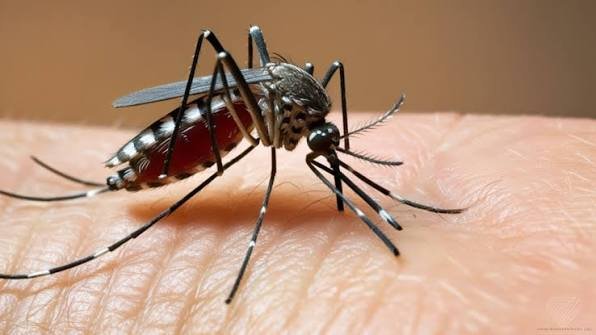
The Dengue surge in Dimapur has prompted a health alert in Nagaland after the state Health Department reported a sudden rise in positive cases. On August 26, authorities issued an alert following the detection of 120 positive Dengue cases in Dimapur. The development has increased attention on mosquito-borne disease prevention across the district. Moreover, health authorities are expected to strengthen surveillance and public awareness measures as they respond to the rise in infections.
Imphal Arms Recovery: Joint Forces Seize 7 Automatic Weapons and 50 Rounds of Ammunition
Dengue Surge in Dimapur Triggers Health Alert
The Dengue surge in Dimapur has become a significant public-health concern after 120 positive cases were reported on August 26.
Dengue spreads primarily through the bite of infected Aedes mosquitoes. These mosquitoes can breed in small collections of stagnant water around homes, workplaces, and other buildings.
Therefore, eliminating potential breeding sites remains an important prevention measure.
The Nagaland Health Department’s alert highlights the need for residents to remain cautious and follow preventive measures. Furthermore, early recognition of illness can help people seek appropriate medical attention.
Authorities can also use surveillance data to identify areas where transmission may be increasing.
Dengue Surge in Dimapur Highlights Prevention
The Dengue surge in Dimapur makes mosquito-control efforts particularly important.
Aedes mosquitoes can breed in containers, discarded items, water storage vessels, and other places that collect water. Consequently, keeping surroundings clean and removing stagnant water can reduce potential breeding locations.
Residents can regularly inspect areas around their homes and ensure that water containers remain properly covered.
Additionally, communities can work together to keep public spaces and neighbourhoods free from items that collect rainwater.
These measures become especially important during periods when environmental conditions support mosquito breeding.
Public Awareness Becomes Essential
Public awareness plays a major role during a dengue outbreak or surge in cases.
People should know the common symptoms associated with dengue and understand when they should contact a healthcare professional. Symptoms can include fever, headache, body aches, nausea, and rash.
However, symptoms can vary, and other illnesses can cause similar signs. Therefore, people should rely on qualified healthcare professionals for diagnosis rather than attempting to confirm dengue themselves.
The Dengue surge in Dimapur also provides an opportunity for health authorities to strengthen community education.
Schools, workplaces, local organisations, and community groups can help spread information about mosquito prevention and appropriate healthcare seeking.
Healthcare Response and Surveillance
Health authorities need accurate information to understand how a dengue surge develops.
Surveillance can help officials identify new cases and determine areas that may require additional mosquito-control measures. Moreover, timely reporting can help healthcare facilities prepare for increased patient demand.
The 120 positive cases reported in Dimapur therefore provide an important signal for continued monitoring.
Healthcare facilities can also remind residents about the importance of seeking medical advice when they develop concerning symptoms.
Dengue treatment focuses on supportive medical care, and patients should follow professional medical guidance. People should also avoid taking medicines without appropriate advice, particularly because some medicines can increase bleeding risk in dengue.
Protecting Communities From Mosquito Breeding
Community participation remains central to dengue prevention.
A single neighbourhood can contain numerous potential mosquito-breeding locations. Therefore, households can contribute by regularly checking water containers, coolers, plant pots, drains, and other areas where water may accumulate.
Local authorities can complement these efforts through sanitation drives and mosquito-control activities.
Furthermore, coordinated action can make prevention efforts more effective than isolated household measures.
The Dengue surge in Dimapur demonstrates why mosquito control requires participation from residents as well as public-health authorities.
Importance of Early Medical Attention
People experiencing symptoms that could indicate dengue should seek advice from a healthcare professional.
Early medical evaluation can help determine whether testing or monitoring is necessary. Additionally, medical professionals can advise patients about hydration, rest, warning signs, and appropriate treatment.
People should not rely on social-media claims or unverified home remedies as substitutes for medical care.
Certain dengue infections can become more serious, particularly when warning signs develop. Therefore, professional medical guidance remains important during a period of increased transmission.
Role of Clean Surroundings
Environmental cleanliness can support mosquito-control efforts.
Removing discarded containers, tyres, bottles, and other objects that can hold rainwater can reduce breeding opportunities. Moreover, proper waste disposal can help communities maintain cleaner surroundings.
Residents can also check water-storage containers regularly.
These simple actions can complement larger public-health programmes.
Consequently, the Dengue surge in Dimapur can encourage stronger community participation in preventive measures.
Nagaland’s Wider Dengue Preparedness
Although the reported surge centres on Dimapur, public-health preparedness can benefit communities across Nagaland.
Mosquitoes and infectious diseases do not follow administrative boundaries. Therefore, health authorities can continue surveillance in other districts while focusing immediate efforts on areas reporting increased cases.
Information sharing between healthcare facilities can also help authorities identify emerging trends.
Furthermore, public awareness campaigns can encourage preventive behaviour before case numbers increase in additional locations.
Schools and Workplaces Can Help
Schools and workplaces can play a useful role in prevention.
Regular cleaning, proper water storage, and awareness campaigns can reduce potential mosquito-breeding sites. Additionally, teachers and employers can encourage people to seek medical advice when they become unwell.
Community-level awareness can be particularly valuable because people spend time in multiple locations throughout the day.
The Dengue surge in Dimapur therefore requires a response that extends beyond hospitals and health offices.
Continued Monitoring Will Be Important
The number of reported cases can change as health authorities conduct further testing and surveillance.
Consequently, residents should continue following official health guidance rather than assuming that the situation has either ended or worsened without updated information.
Authorities can also assess whether additional mosquito-control measures are necessary.
Regular monitoring will help determine the scale of the surge and guide the public-health response.
Looking Ahead
The August 26 alert places greater attention on dengue prevention in Dimapur.
The Dengue surge in Dimapur involving 120 positive cases highlights the importance of mosquito control, public awareness, surveillance, and timely medical attention.
Moreover, coordinated action between health authorities and communities can help reduce potential transmission. Residents can contribute by eliminating stagnant water, maintaining clean surroundings, and seeking professional medical advice when necessary.
Conclusion
The Dengue surge in Dimapur has prompted a health alert in Nagaland following the reported detection of 120 positive cases on August 26.
Moreover, the situation highlights the importance of mosquito-control measures, community awareness, surveillance, and appropriate healthcare. With continued monitoring and coordinated prevention efforts, authorities and residents can work together to reduce the risk of further transmission.
FAQs
1. What caused the Dengue surge in Dimapur alert?
The Dengue surge in Dimapur prompted the Nagaland Health Department to issue an alert after 120 positive cases were reported on August 26.
2. How does dengue spread?
Dengue primarily spreads through the bites of infected Aedes mosquitoes.
3. How can people reduce mosquito breeding around their homes?
Residents can remove stagnant water, cover water-storage containers, dispose of items that collect rainwater, and maintain clean surroundings.
4. What should someone do if they develop possible dengue symptoms?
They should contact a qualified healthcare professional for appropriate evaluation and advice.
5. Why is public awareness important during a dengue surge?
Awareness can encourage people to eliminate mosquito-breeding sites, recognise possible symptoms, and seek appropriate medical care.