


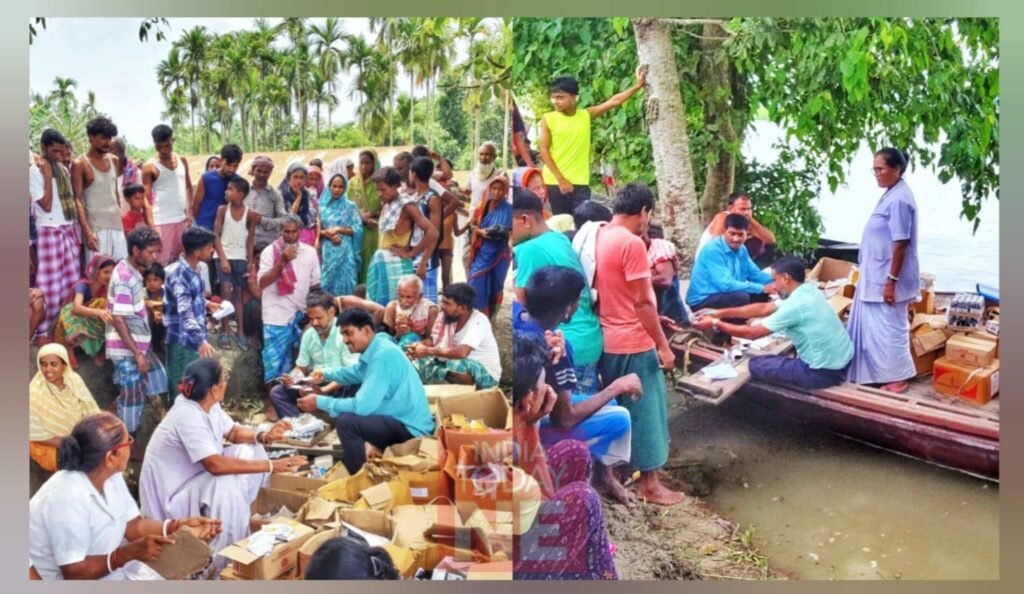
The Dhubri Medical Camps Flood Recovery response has expanded as mega health camps opened in Dhubri following severe flooding. The initiative aims to provide medical assistance to affected communities and reduce the risk of waterborne diseases after prolonged exposure to contaminated water.
The Dhubri Medical Camps Flood Recovery effort comes at a critical stage of the disaster response. Moreover, floodwaters can contaminate drinking-water sources and disrupt sanitation systems, increasing the risk of illnesses such as diarrhoeal diseases and other infections.
Health camps can provide residents with medical consultations, medicines, preventive guidance, and referrals for more serious conditions. Therefore, such facilities can help authorities identify health problems early while communities recover from flooding.
Public-health teams also need to monitor drinking water, sanitation, waste disposal, and hygiene conditions. Additionally, health awareness campaigns can help residents understand how to reduce exposure to contaminated water and food.
Dhubri Medical Camps Flood Recovery Expands Healthcare Access
The Dhubri Medical Camps Flood Recovery programme focuses on bringing healthcare closer to communities affected by flooding.
Moreover, damaged roads and disrupted transportation can make it difficult for residents to reach permanent healthcare facilities. Consequently, temporary medical camps can provide an accessible option for people who need immediate medical attention.
Doctors and health workers can assess patients, provide essential medicines, and identify cases requiring further treatment. Furthermore, health teams can collect information about emerging symptoms and support local disease surveillance.
The exact number of camps, medical personnel, and beneficiaries involved in the reported initiative has not been independently confirmed.
Dhubri Medical Camps Flood Recovery Targets Waterborne Disease Risks
The Dhubri Medical Camps Flood Recovery effort places particular emphasis on preventing illnesses linked to contaminated water and poor sanitation.
Additionally, floodwater can mix with sewage, waste, and other contaminants. Therefore, residents need access to safe drinking water and appropriate sanitation facilities during the recovery period.
Health officials can also promote basic hygiene practices and advise communities to avoid consuming untreated water. Meanwhile, monitoring health conditions in temporary shelters and densely populated areas can help authorities identify potential outbreaks early.
Children, older adults, and people with existing vulnerabilities may require particular attention during post-flood recovery. Consequently, targeted medical outreach can complement broader public-health measures.
Dhubri Medical Camps Flood Recovery Supports Long-Term Recovery
The Dhubri Medical Camps Flood Recovery response extends beyond immediate treatment because public-health risks can continue after floodwaters recede.
Moreover, contaminated water sources and damaged sanitation infrastructure can remain hazardous during the cleanup phase. As a result, authorities need to continue monitoring water quality and sanitation conditions.
Medical teams can also provide health education and advise residents about when to seek medical attention. Similarly, local healthcare facilities can coordinate referrals for patients who require diagnostic tests or specialised treatment.
The effectiveness of the health response will depend on continued medical coverage and the restoration of basic services across affected communities.
Conclusion
The Dhubri Medical Camps Flood Recovery initiative has expanded as mega health camps open in Dhubri to support residents after severe flooding and reduce the risk of waterborne diseases.
Furthermore, temporary medical facilities can improve healthcare access while roads, sanitation systems, and other infrastructure recover. Continued disease surveillance, safe drinking water, hygiene measures, and timely medical treatment will remain important.
Overall, the Dhubri Medical Camps Flood Recovery response highlights the importance of combining emergency healthcare with preventive public-health measures during the post-flood period.
FAQs
1. What is the Dhubri Medical Camps Flood Recovery initiative?
The Dhubri Medical Camps Flood Recovery initiative involves temporary health camps providing medical assistance to communities affected by flooding.
2. Why are medical camps important after floods?
Flooding can disrupt healthcare access and increase risks from contaminated water, damaged sanitation systems, and crowded temporary shelters.
3. Which diseases can become more common after flooding?
Water contamination can increase the risk of diarrhoeal illnesses and other waterborne infections, particularly where sanitation and drinking-water systems face disruption.
4. What preventive measures can residents take?
Residents should use safe drinking water, maintain hygiene, avoid contaminated floodwater where possible, and seek medical attention when symptoms of illness appear.
5. How long should health monitoring continue?
Health monitoring should continue during the recovery period because sanitation and water-quality problems can persist even after floodwaters recede.