


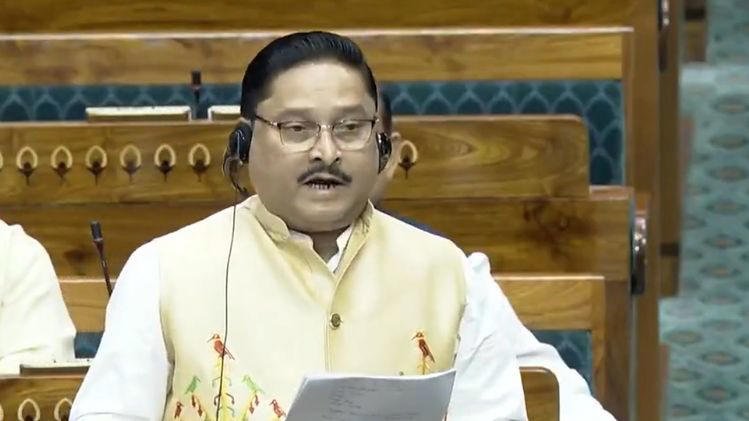
BJP MP Dilip Saikia has praised Prime Minister Narendra Modi for his sustained focus on improving Northeast river connectivity, which he believes is transforming the region’s economy. Speaking at a public interaction in Assam, Saikia said the government’s waterway initiatives have revitalized trade, tourism, and transport networks across the northeastern states.
He emphasised that the revival of river routes has brought back a mode of transport once considered outdated. According to Saikia, these projects are part of a larger effort to integrate the Northeast into the national economy while preserving its unique geographical advantages.
Read More: Sikkim CM sports pledge at first inter-school badminton event
River connectivity as a driver of growth
Saikia explained that the Northeast’s rivers have always been its lifelines. However, over time, poor infrastructure and lack of investment left many waterways unused. Under PM Modi’s leadership, this trend has reversed, with multiple projects aiming to modernise river transport.
The Brahmaputra, Barak, and other major rivers have seen renewed activity thanks to dredging, navigation aids, and improved port facilities. Saikia highlighted that these measures have significantly reduced the cost of transporting goods between the Northeast and other parts of India.
Linking trade routes with Bangladesh
A key feature of this river revival is the boost in international trade with Bangladesh. Saikia noted that inland waterway agreements have created a faster, cheaper, and more sustainable route for cargo movement. Ships can now carry goods between Assam and Bangladeshi ports in a fraction of the time it takes via road or rail.
This connectivity is not just about trade; it is also about people-to-people contact. Increased cross-border ferry services have encouraged cultural exchanges and tourism, particularly in regions like Dhubri and Karimganj.
Tourism potential unlocked
The MP pointed out that river cruises and eco-tourism are gaining popularity, especially among domestic travellers. Tourists can now explore the Brahmaputra and its surroundings through organised cruises, wildlife tours, and heritage site visits.
Saikia believes that this tourism boom will not only benefit local entrepreneurs but also create job opportunities for youth in rural areas. The increased attention to river-based tourism reflects a strategic approach to using natural resources for sustainable economic development.
Environmental safeguards in focus
Acknowledging concerns about ecological impacts, Saikia stressed that the government’s approach includes strict environmental safeguards. The projects aim to ensure that dredging and infrastructure development do not harm aquatic life or riverbank communities.
He cited examples where environmental studies were conducted before major construction work, ensuring a balance between growth and conservation. This, according to him, will make river connectivity a long-term solution rather than a short-lived economic push.
Assam at the centre of change
Saikia also pointed out that Assam is emerging as a central hub for the region’s river transport network. The expansion of the Pandu port in Guwahati and new terminals in Jogighopa and Dibrugarh will further strengthen the state’s position.
These projects will not only benefit Assam but also provide crucial links for Arunachal Pradesh, Meghalaya, Nagaland, and Manipur, enabling them to participate in regional trade and tourism more effectively.
Part of the “Act East” vision
Linking his praise to the government’s broader strategy, Saikia said that river connectivity is a core component of the “Act East Policy.” By linking the Northeast’s waterways with Southeast Asian markets, India can enhance trade relations and open new economic corridors.
This aligns with the vision of making the Northeast not just a transit point but a hub of economic activity in its own right. Saikia added that continued investment in this sector will ensure long-term benefits for both urban and rural communities.
Call for public participation
Concluding his remarks, Saikia urged the public to take advantage of the opportunities created by improved river transport. He encouraged local businesses to explore waterway shipping, tourism operators to expand services, and youth to seek training in river-based professions.
He expressed confidence that with collective effort, the region could fully harness the potential of its rivers, making them a key driver of prosperity for generations to come.
Read More: Tripura Tourism Development Plans: Guides & Funding