


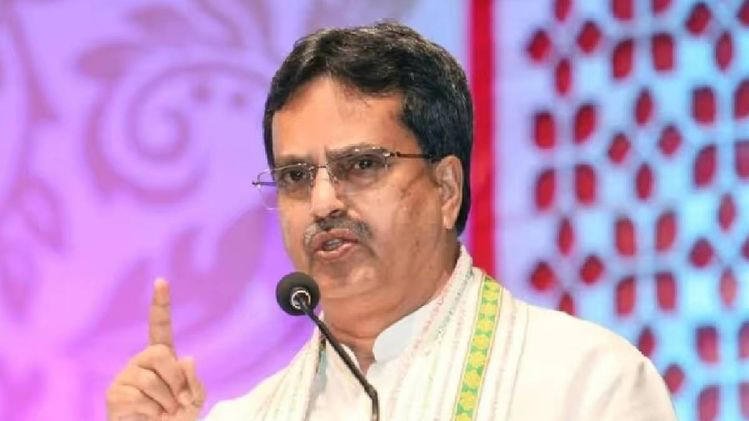
Tripura Chief Minister Manik Saha has said that the BJP’s double-engine government remains fully committed to tribal development in Tripura, stressing that coordinated efforts between the Centre and the state have accelerated welfare, infrastructure, and inclusive growth in tribal areas. He said focused policies and sustained implementation have helped bridge long-standing development gaps.
Speaking at a programme, the Chief Minister said tribal communities remain central to Tripura’s development agenda. He added that the double-engine model has ensured faster delivery of schemes and better utilisation of resources.
The emphasis on tribal development in Tripura, Saha said, reflects the government’s commitment to inclusive and equitable growth.
Read More: Threads of Assam Shine at India Energy Week 2026
Centre-state coordination strengthens welfare delivery
Manik Saha said close coordination between the Centre and the state has strengthened welfare delivery in tribal areas. Central schemes, when aligned with state initiatives, have achieved greater impact.
He said beneficiaries now receive direct support without delays. Improved monitoring and transparency have enhanced trust in governance.
The double-engine approach, he added, has helped scale up tribal development in Tripura across sectors.
Infrastructure boost in tribal areas
The Chief Minister highlighted significant infrastructure development in tribal-dominated regions. Roads, bridges, electricity, and drinking water projects have improved connectivity and quality of life.
He said better infrastructure reduces isolation and improves access to markets, healthcare, and education. These improvements support long-term economic stability.
Tribal development in Tripura, Saha said, depends heavily on infrastructure that connects communities with opportunities.
Focus on education and skill development
Education remains a key pillar of tribal development in Tripura. The Chief Minister said hostels, schools, and scholarships have expanded educational access for tribal students.
He stressed the importance of skill development for youth. Training programmes aim to improve employability and self-reliance.
According to Saha, education empowers tribal youth to participate actively in the state’s growth.
Livelihood generation and economic empowerment
Manik Saha said livelihood generation remains a priority. The government supports agriculture, horticulture, handloom, and forest-based activities in tribal areas.
He said self-help groups and cooperative models have strengthened income opportunities. Financial inclusion has also improved through banking access and credit support.
Tribal development in Tripura, he said, must ensure sustainable livelihoods rather than short-term relief.
Healthcare access in remote regions
The Chief Minister said healthcare access has improved in remote tribal regions. Primary health centres, mobile medical units, and telemedicine services have expanded coverage.
He noted that maternal and child health services receive special focus. Preventive healthcare and awareness programmes remain essential.
Tribal development in Tripura, Saha said, requires strong healthcare systems that reach the last mile.
Housing and basic amenities
Housing schemes have transformed living conditions in tribal areas. The Chief Minister said many families now have permanent houses with basic amenities.
Access to toilets, clean cooking fuel, and electricity has improved significantly. These changes enhance dignity and health outcomes.
Tribal development in Tripura, he added, focuses on improving everyday living standards.
Cultural preservation alongside development
Manik Saha said development must respect tribal culture and identity. The government promotes cultural preservation alongside economic growth.
Support for traditional festivals, languages, and crafts remains part of policy planning. Cultural centres and events help sustain heritage.
Tribal development in Tripura, he said, must strengthen identity while enabling progress.
Role of autonomous institutions
The Chief Minister highlighted the role of autonomous institutions in governance. He said empowerment of local bodies ensures better decision-making.
Decentralised governance allows tribal communities to voice their priorities. Local participation improves policy outcomes.
Tribal development in Tripura benefits when communities shape their own development paths, Saha said.
Welfare schemes reach grassroots
Manik Saha said welfare schemes now reach beneficiaries more effectively. Technology-driven delivery systems have reduced leakages.
Schemes related to nutrition, pensions, and income support have improved coverage. Regular monitoring ensures accountability.
The double-engine government, he said, has strengthened implementation for tribal development in Tripura.
Youth and women empowerment
The Chief Minister stressed the importance of empowering tribal youth and women. Education, entrepreneurship, and self-help initiatives support this goal.
Women-led groups have gained financial independence. Youth participation in sports and skill programmes has increased.
Tribal development in Tripura, Saha said, depends on inclusive empowerment.
Peace and development go together
Manik Saha said peace and stability remain essential for development. Dialogue and inclusive governance strengthen social harmony.
He said development initiatives create confidence and reduce disparities. Trust between communities and the government supports long-term stability.
Tribal development in Tripura, he noted, thrives in an environment of peace and cooperation.
BJP’s commitment reiterated
The Chief Minister reiterated the BJP’s commitment to tribal welfare. He said the party’s policies focus on dignity, opportunity, and empowerment.
According to him, the double-engine government model ensures sustained attention and resources. Development priorities remain consistent.
Tribal development in Tripura, Saha said, reflects this long-term vision.
Positive impact visible on ground
Observers note visible improvements in tribal areas. Better roads, schools, and healthcare facilities have changed daily life.
Residents have reported improved access to services. Economic activity has also increased.
The focus on tribal development in Tripura, they said, has begun to deliver tangible results.
Way forward
Manik Saha said the government will continue to prioritise tribal development with focused planning and execution. Future initiatives will build on existing progress.
He stressed the importance of community participation and accountability. Development, he said, must remain inclusive and sustainable.
As Tripura moves forward, the BJP’s double-engine government remains committed to tribal development in Tripura. Through coordinated governance, infrastructure growth, and empowerment initiatives, the state aims to ensure that tribal communities share fully in the journey of progress and prosperity.
Read More: Meghalaya CM Writes to Odisha CM Over Pastor Assault