


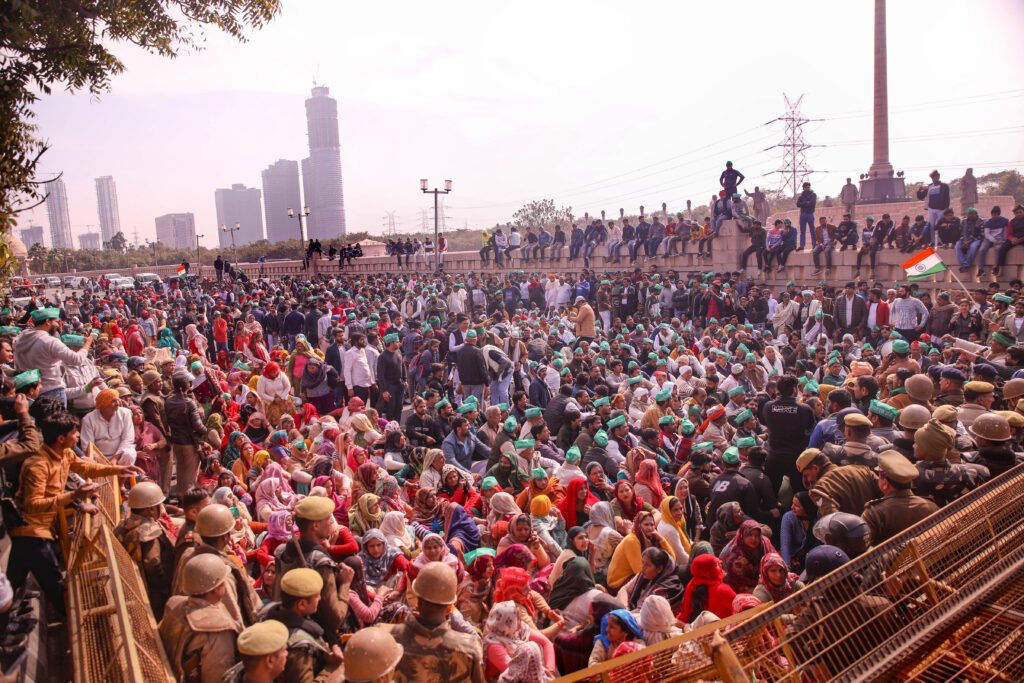
Mass public rallies and civil demonstrations have reportedly erupted across multiple districts in response to the ongoing highway economic blockades associated with the United Naga Council (UNC). The protests reflect growing public concern over the disruption of transportation networks, essential commodity supplies, and economic activities caused by prolonged restrictions on major highways. Moreover, the demonstrations have intensified political and social debate over the broader impact of economic blockades on civilian life and regional stability.
NSF Vandalism Row Deepens After Arrest of Former Finance Secretary
Taksing Community Counters False Claims on Arunachal Border Situation
Public Demonstrations Spread Across Multiple Districts
Large-scale rallies and protest gatherings were organized in several districts as citizens voiced their opposition to the continuing highway blockades. Consequently, public sentiment has increasingly focused on the economic and humanitarian impact of transport disruptions affecting daily life.
According to reports from local organizers and civil society groups, demonstrators demanded the immediate restoration of unrestricted movement on key transportation corridors. Moreover, protesters expressed concern over rising transportation costs, supply shortages, and disruptions to essential services. Therefore, the issue has emerged as a major public concern across affected regions.
Authorities have reportedly maintained heightened monitoring of protest activities to ensure public order and prevent any escalation of tensions. As a result, administrative agencies continue to assess the evolving situation.
Meanwhile, civic organizations and community leaders have called for peaceful dialogue and resolution.
Highway Blockades Continue to Affect Essential Services
The ongoing economic blockades have reportedly disrupted the movement of essential commodities, commercial goods, and passenger transportation across several regions. Moreover, prolonged restrictions on major highways have created logistical challenges for businesses and local communities. Therefore, concerns regarding economic and social impacts continue to grow.
Economic analysts noted that transportation blockades can significantly affect supply chains, increase costs, and disrupt regional economic activity. Consequently, prolonged disruptions often generate wider concerns regarding food security, healthcare access, and commercial operations. Such impacts can place additional pressure on both public administration and local populations.
Furthermore, transportation interruptions have reportedly affected the timely delivery of goods and services in several areas. As a result, demands for a rapid resolution to the dispute have intensified.
Meanwhile, authorities continue to monitor supply conditions and transportation networks.
Political and Social Tensions Escalate
The protests have also intensified political discussions regarding the use of economic blockades as a form of political expression and negotiation. Moreover, political leaders and civil society organizations have expressed differing views on the effectiveness and consequences of such actions. Therefore, the issue has become a focal point of public debate.
Political observers noted that economic blockades often generate complex social and political consequences, particularly when essential public services and civilian populations are affected. Consequently, calls for dialogue, mediation, and negotiated settlements frequently gain prominence during prolonged disputes. Such approaches may help reduce tensions and restore public confidence.
Furthermore, community organizations have emphasized the importance of maintaining peace and avoiding further disruptions. As a result, efforts to encourage dialogue among stakeholders continue.
Meanwhile, administrative authorities remain engaged in monitoring developments.
Calls for Dialogue and Peaceful Resolution Grow
As demonstrations continue, various stakeholders have urged all parties to pursue peaceful and constructive solutions to address the ongoing dispute. Moreover, maintaining uninterrupted access to essential services and transportation infrastructure remains a major public priority. Therefore, dialogue and consensus-building efforts are increasingly being emphasized.
Experts observed that sustainable conflict resolution often requires cooperation among community organizations, political representatives, and administrative authorities. Consequently, inclusive discussions and confidence-building measures are frequently viewed as essential components of long-term stability. Such efforts can contribute to reducing tensions and restoring normalcy.
Furthermore, the restoration of transportation networks is expected to remain a key objective for authorities and affected communities alike. As a result, public attention remains focused on possible developments in the coming days.
Conclusion
The emergence of widespread public protests against the ongoing highway economic blockades highlights the significant social and economic impact of transportation disruptions on affected communities. Moreover, the demonstrations underscore growing concerns regarding access to essential services, economic stability, and public welfare.
As authorities, civil society organizations, and community leaders continue to assess the situation, efforts toward dialogue and peaceful resolution are expected to remain critical. Therefore, the evolving developments will continue to attract significant public and political attention across the region.
The latest protests reinforce the importance of maintaining essential connectivity, promoting constructive dialogue, and pursuing peaceful solutions to complex regional disputes.
FAQs
1. What triggered the public demonstrations?
The protests were reportedly triggered by ongoing highway economic blockades affecting transportation and essential supplies.
2. What concerns have protesters raised?
Protesters have expressed concerns over supply disruptions, rising costs, and economic hardship.
3. How do economic blockades affect communities?
They can disrupt transportation, supply chains, public services, and economic activities.
4. What response have authorities taken?
Authorities have monitored the protests and continued to assess the broader impact of the blockades.
5. What solutions are being advocated?
Many stakeholders have called for dialogue, negotiation, and peaceful resolution of the dispute.