


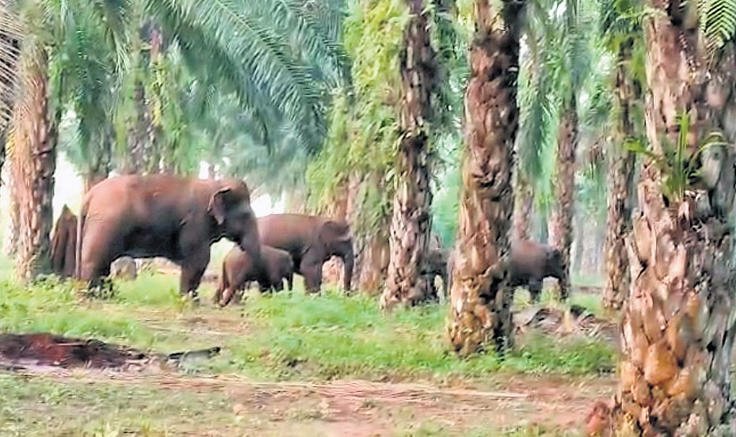
Assam has launched a long-term effort to understand the movements of its wild elephants. A five-year GPS study will track elephant movements across different parts of the state and provide important information for conservation planning.
The study aims to understand how elephants move between forests, feeding areas and other habitats. Researchers also hope to identify movement patterns that could help reduce encounters between elephants and people.
GPS Tracking to Study Elephant Movements
The study will use GPS technology to monitor the movements of wild elephants. Tracking data can help researchers understand where elephants travel and how they use different landscapes.
The information can also reveal important movement routes between forest areas. These routes often play a major role in elephant survival because they connect different habitats.
Researchers can use the data to identify areas that elephants frequently visit. They can then assess the possible threats that animals face in those locations.
Five-Year Study to Provide Long-Term Data
The five-year duration will allow researchers to observe elephant movements over a longer period. This can provide a clearer picture of seasonal changes and movement patterns.
Elephants often change their movements depending on food availability, water sources and weather conditions. Human activities can also influence their routes.
A long-term study can capture these changes more effectively than a short-term survey. It can therefore support more detailed conservation planning.
Focus on Human-Elephant Conflict
Human-elephant conflict remains an important concern in Assam. Elephants sometimes enter villages and agricultural areas while searching for food or moving between habitats.
Such encounters can cause damage to crops and property. They can also put both people and elephants at risk.
GPS tracking can help authorities understand where these encounters occur most frequently. Early knowledge of elephant movements could also improve local preparedness.
Authorities may use movement information to develop better response systems in areas that experience regular elephant activity.
Identifying Important Elephant Corridors
One of the key benefits of the study will be the identification of elephant corridors. These corridors allow elephants to move between different forest habitats.
Development, roads, railway lines and other human activities can affect these routes. When traditional movement paths become difficult to access, elephants may move through villages or agricultural land.
Mapping these routes can help conservation planners identify areas that need greater protection. It can also support decisions about future infrastructure development.
Technology to Support Conservation
The use of GPS technology represents an important step in modern wildlife conservation. Tracking devices can provide detailed information that researchers cannot collect through occasional field observations alone.
Scientists can study the location data to understand elephant behaviour and habitat use. They can also compare movement patterns across different seasons and landscapes.
Such information can strengthen conservation strategies and help authorities make decisions based on evidence.
Assam’s Importance for Elephant Conservation
Assam has several important elephant habitats and supports a large population of Asian elephants. Its forests and wildlife areas provide shelter and feeding grounds for these animals.
At the same time, the state’s growing population and expanding infrastructure create pressure on wildlife habitats.
Conservation efforts must therefore balance development needs with the protection of natural habitats. Understanding elephant movements can help planners find better ways to manage this challenge.
Supporting Future Conservation Plans
The findings from the five-year study could support future wildlife management programmes in Assam. Researchers can use the data to identify priority areas and improve habitat protection.
The information may also help authorities strengthen measures to reduce human-elephant conflict. Better knowledge of elephant movements can allow communities and officials to prepare for potential encounters.
As the study continues, researchers are expected to build a detailed picture of how wild elephants move across Assam’s changing landscape.
A Long-Term Step for Assam’s Elephants
The GPS study offers an opportunity to understand Assam’s wild elephants in greater detail. Its five-year timeline will allow researchers to observe movements across different seasons and changing environmental conditions.
The results could play an important role in protecting elephant habitats and reducing conflict with local communities.
By combining technology, research and conservation planning, Assam can improve its efforts to protect wild elephants while also addressing the needs of people living near their habitats.